



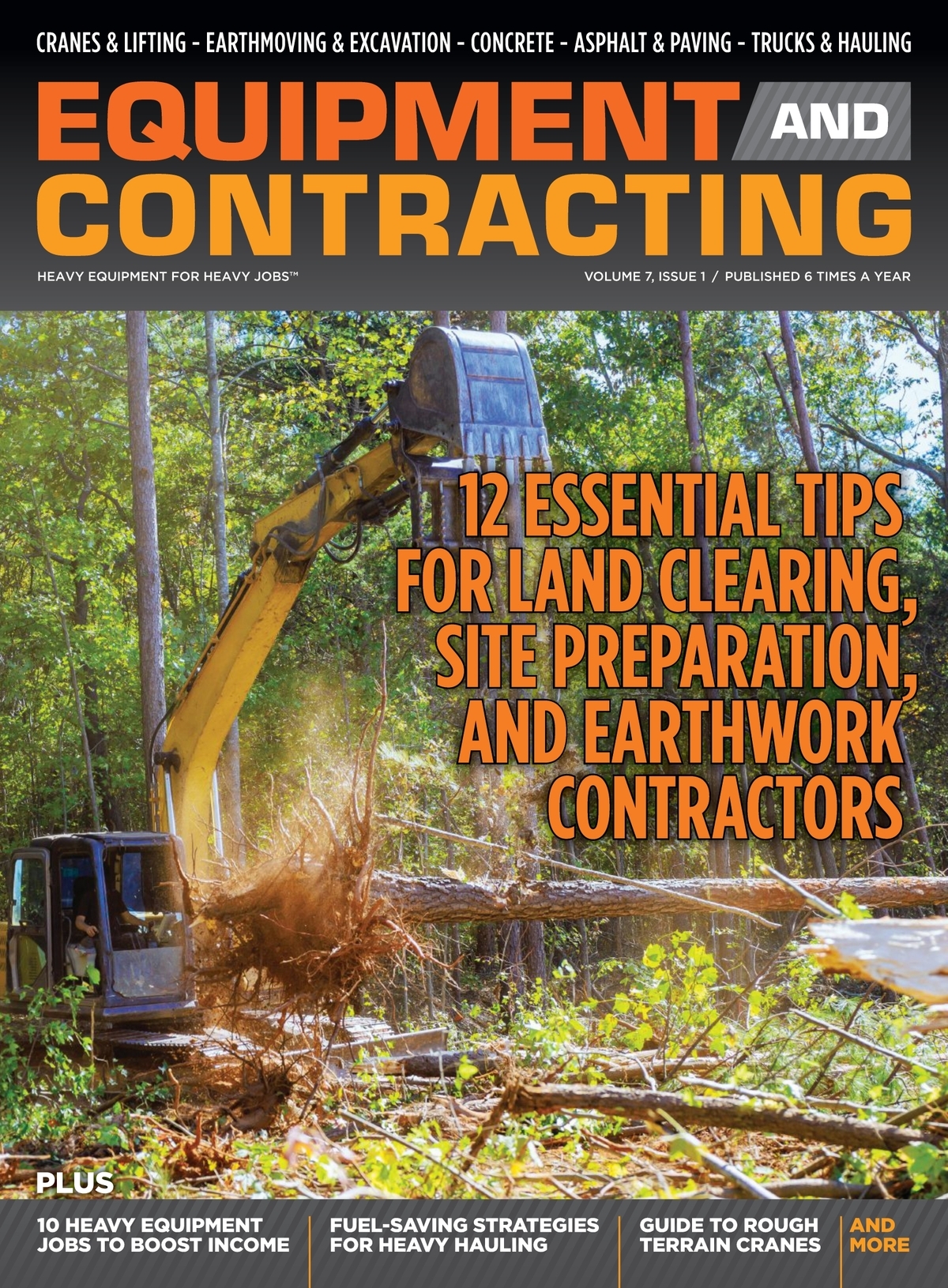
















Mixed C&D and land-clearing jobs punish crews that treat every cut like a shear problem. Steel, concrete, brush, and dirt rarely arrive in clean streams, and hauling unsorted loads just moves the sorting bill to the landfill or the crusher yard. The faster path is matching grapples, pulverizers, and shears to the material you actually see—so the excavator sorts on site, trucks leave with higher-value loads, and the crusher or scrap buyer is not digging through trash you could have left behind.
This guide is a field checklist for choosing demolition and sorting attachments on excavators working mixed C&D and clearing. It is not a brand bake-off and not a substitute for structural engineering on a tear-down sequence. Treat carrier weight, hydraulic flow, and wear-part intervals as limits you verify against the machine and the material stream before you default to the loudest tool in the yard.
Grapple vs Pulverizer vs Shear: Picking the Right First Attachment
Start with the dominant material, not the tool you already own. Grapples—including multi-tine demolition grapples and bucket-clamp designs that dig and grip—shine when the day is about picking, sorting, loading, and placing irregular pieces: timber, steel members, broken slab chunks, and brush. They keep the operator in a sort-and-load rhythm instead of forcing every piece through a cut.
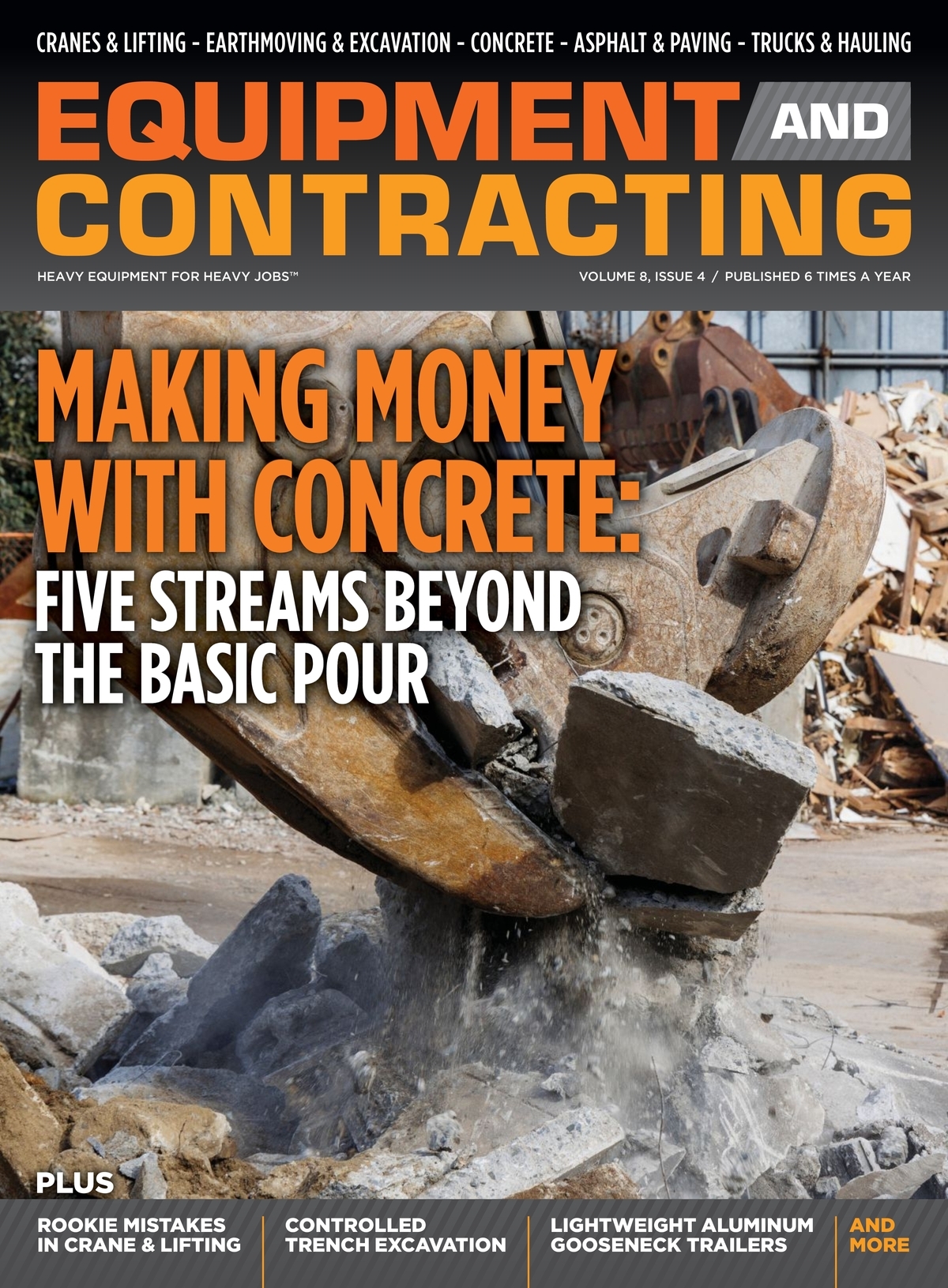
Concrete pulverizers earn their keep when the goal is reducing slab and wall concrete and separating rebar so aggregate can be reused or hauled as a cleaner stream. Non-hydraulic pulverizers that use the excavator’s curl force are simple to hang and maintain; hydraulic jaws add bite for thicker sections. Shears belong when structural steel, pipe, and dense metal must be cut to length for scrap density—not when every wooden stud and scrap of drywall gets the shear treatment “because it is mounted.”
On a true mixed teardown, plan a primary and a secondary tool rather than one attachment that “does everything poorly.” A common pattern is grapple-first for strip-out and sorting, pulverizer when concrete volume dominates, and shear only for the steel phase—or a second machine dedicated to cutting. Bucket-and-thumb setups still work for light sorting, but dedicated clamps and grapples usually deliver more force through the curl cycle and better visibility through open tine designs.
Sizing Clamps and Jaws to Carrier Weight and Hydraulic Flow
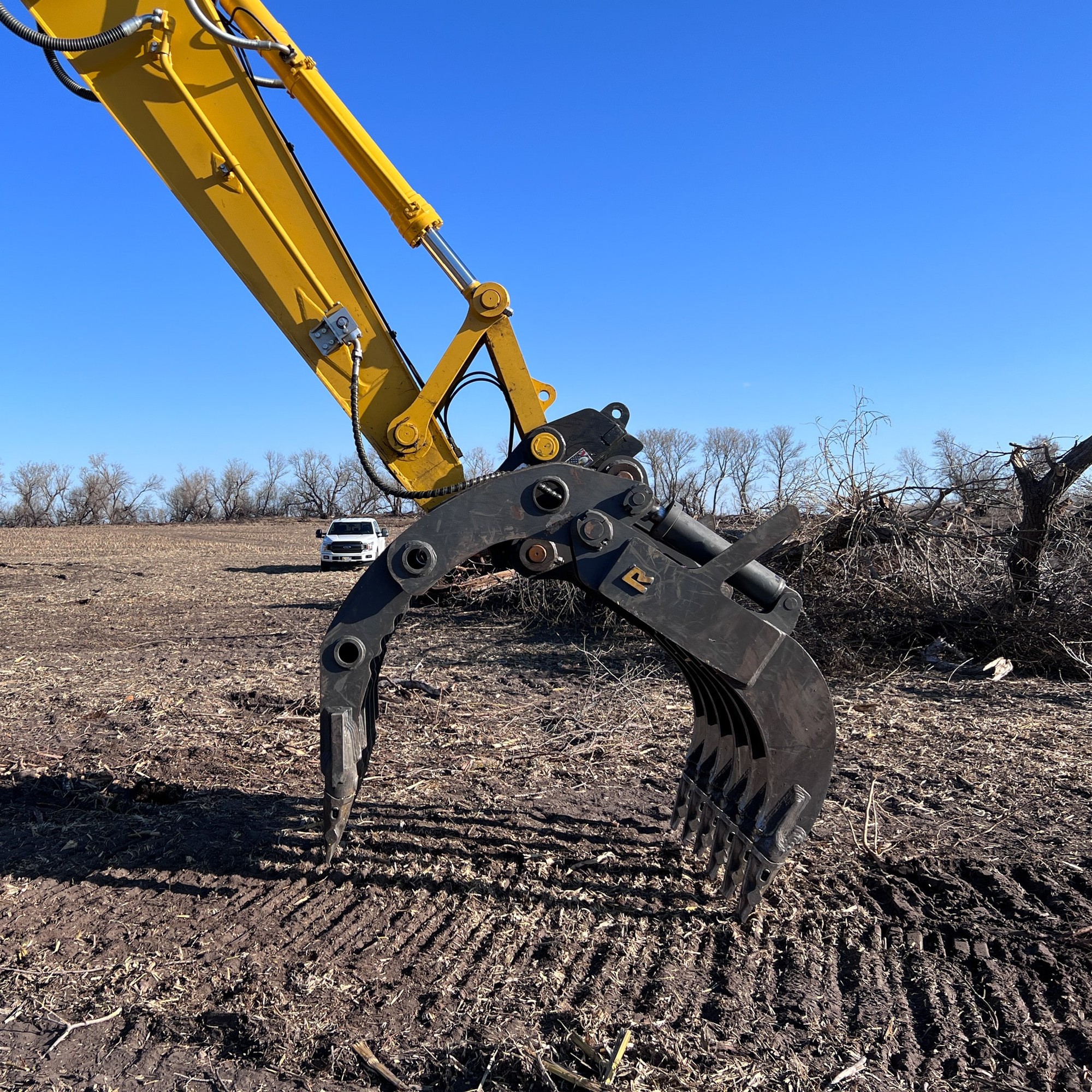
Attachment weight and jaw geometry have to sit inside the carrier’s lift chart at the radii you actually work—not just at the sticker rating next to the tracks. A heavy demolition grapple that tips the machine when sorting at full reach is slower and less safe than a lighter tool the operator will actually use at the pile. Confirm pin centers or coupler interface, then confirm that auxiliary flow and pressure can close clamps at a productive speed under load.
Dual-cylinder clamps on bucket-style grapples are often chosen because they maintain gripping force through more of the curl range than a single stick-mounted thumb. That matters when you are picking slab pieces or brush at awkward angles instead of pinching against a bucket lip at one sweet spot. For multi-tine grapples, tine count and spacing decide whether dirt and fines fall through while timber and steel stay in the jaws—critical if you are building clean brush or scrap piles.
Pulverizer jaw opening and depth should match the slab thickness and wall sections on the print, with a margin for rebar nests that will not crush cleanly on the first bite. Undersized jaws turn every cycle into a nibble; oversized jaws on a light carrier make the machine unstable when the concrete finally breaks. If the pulverizer is non-hydraulic, confirm the stick and bucket circuit geometry still give full curl force without binding the linkage.
Sorting Steel, Concrete, and Woody Debris for Resale or Recycle
On-site sorting only pays if piles are disciplined. Keep steel, concrete, and woody debris in separate pads from the first hour of strip-out—not in one mountain you promise to sort on Friday. Grapples with open tines help shake dirt from brush and let small concrete fall away from rebar when you work the pile deliberately. Skeleton-style buckets with clamps are useful when you need to sift and still grip oversized pieces.
Pulverized concrete with pulled rebar is a different product than mixed rubble. Use pinch plates and a deliberate flip-and-shake habit so rebar comes free instead of burying wire in the aggregate pile. Scrap steel cut to buyer length densifies loads; random long members waste truck cubes and create handling hazards at the yard. Woody debris destined for mulch or biomass should stay free of metal and concrete chips that destroy grinders downstream.
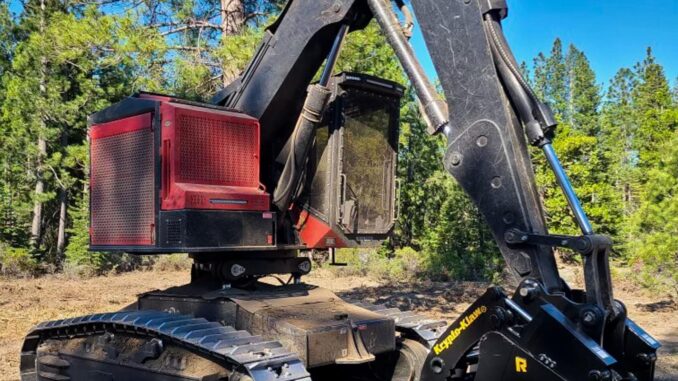
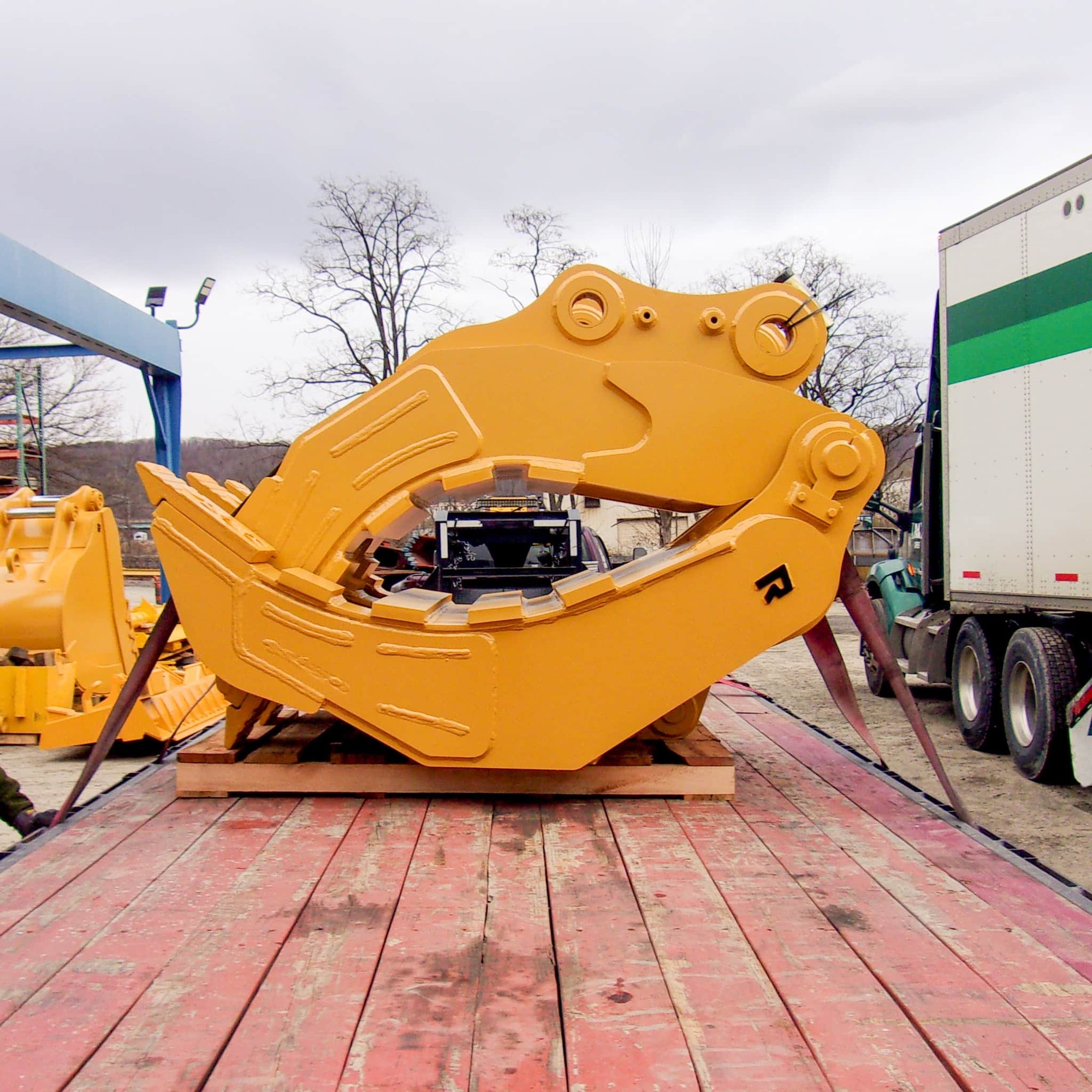
Attachment makers that publish demolition grapples, clamp buckets, and concrete pulverizers—including Rockland Manufacturing—give fleets documented options for digging-and-gripping clamps, multi-tine grapples, and jaws aimed at reclaiming concrete. Pair those tool choices with a simple site map: where clean concrete lands, where scrap is staged, and where brush waits for the chipper—so operators are not inventing pile logic mid-swing.
Jobsite Layout That Keeps Crushers and Trucks Fed
Sorting attachments cannot fix a bad pad layout. Place the excavator so swing arcs feed the crusher hopper or truck side without spinning through the scrap pile. Keep haul roads one-way when possible so highway trucks are not backing through brush piles. Stage the next steel cut or concrete break zone just outside the primary swing so tool changes or a second machine do not shut down loading.
If a mobile crusher is on site, size the pulverizer or grapple cycle to the crusher’s appetite. Starving the hopper with oversized chunks is as expensive as burying it in dirty feed. Spotters and a clear radio channel matter more than another attachment when visibility drops in dust. Mark exclusion zones under swing and under hanging rebar so laborers sorting by hand are not in the fall path.
Plan truck loading so sorted streams leave on the right ticket. A mixed load that looked “almost clean” in the bucket often fails at the scale house. When in doubt, take thirty seconds with the grapple to pull obvious contaminants before the truck is under the stick—cheaper than a rejected load and a return haul.
Wear Parts and Pin Inspection Between Teardown Phases
Demolition attachments fail between phases when nobody inspects them. At every shift change—and whenever you switch from wood to concrete or concrete to steel—check pins, keepers, clamp cylinders, hose armor, and tine tips. Serrated edges and rock strips exist to take wear; once they are gone, the parent steel rounds off and gripping force drops.
Grease pins on the interval the manufacturer publishes, especially after wet or abrasive days. Look for elongated pin holes and cracked welds at tine roots before they become a dropped load. Keep spare teeth, pin kits, and hose whips on the trailer when the teardown schedule has no float. A clamp that drifts open under load is a stop-work item, not a “finish the truck” item.
Log attachment hours alongside carrier hours so rebuilds are planned between phases instead of during a crane pick. End-of-phase washdown should clear concrete paste from jaws and pulverizer pockets before it cures overnight. Consistency here is what keeps on-site sorting faster than hauling everything and paying someone else to dig through it.
Carry a short attachment matrix on the superintendent’s board: primary tool by phase, backup tool, and who owns the coupler change. When the steel phase starts, the shear or dedicated scrap grapple should already be staged—not buried under yesterday’s brush pile. That small planning step is often the difference between on-site sorting and a week of mixed hauls.
Final Thoughts
Mixed C&D rewards the crew that matches tools to material streams: grapples to pick and sort, pulverizers to reclaim concrete and free rebar, shears to densify steel—not one attachment forced into every cut. Size clamps and jaws to the carrier you will actually run at reach, lay out piles so crushers and trucks stay fed, and inspect pins and wear parts between phases. Do that as a routine—and sorting on site becomes a profit habit instead of a pile you apologize for at the landfill gate.