





























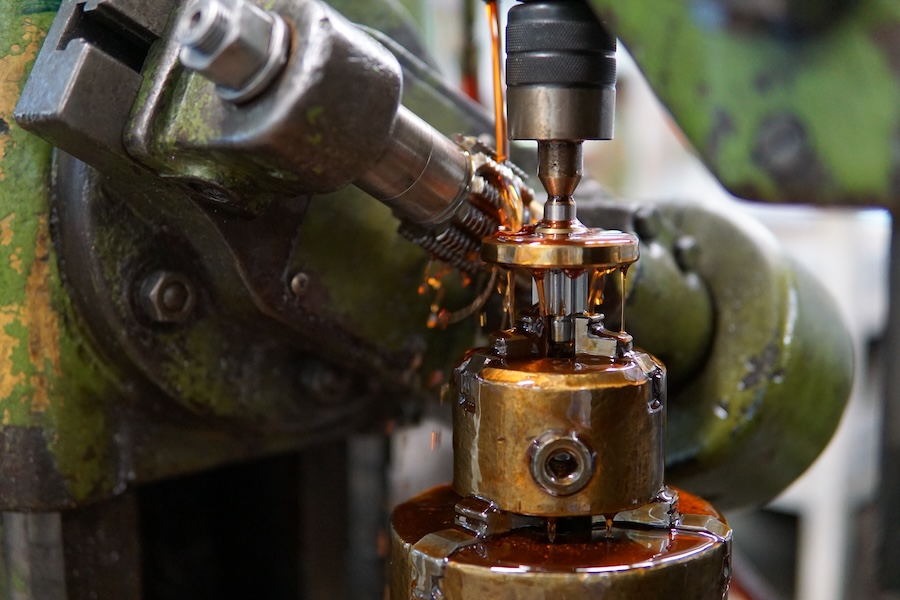
Heavy equipment operators know that every hour of downtime carries a direct cost in lost production, delayed projects, and idle crews. Lubricants form a thin protective film between moving parts, control friction and heat, and carry away contaminants. When that film breaks down under high loads, extreme temperatures, or long operating hours, wear accelerates and components fail. Switching to premium synthetic lubricants addresses many of these issues by delivering greater stability and longer useful life than conventional mineral oils.
The Science Behind Premium Synthetic Lubricants
Premium synthetic lubricants are produced through controlled chemical processes that create uniform molecular structures. Mineral oils contain a wide mix of hydrocarbon molecules of different sizes and shapes, including some that oxidize more readily. Synthetics, particularly those based on polyalphaolefins, offer more consistent molecular chains that resist breakdown.
Molecular Structure and Oxidation Resistance
Oxidation is a primary reason lubricants thicken, form sludge, and lose their protective ability. Laboratory tests such as the rotating pressure vessel oxidation test show that well-formulated synthetic oils typically resist oxidation longer than mineral oils under the same conditions. This stability helps the oil maintain its viscosity and additive package for more operating hours. In practice, the result is fewer instances of oil-related deposits that restrict flow or damage seals and bearings.
Viscosity Performance Across Temperatures
Synthetic oils generally have higher viscosity indexes, often in the range of 135 to 150 or higher, compared with roughly 95 to 105 for many conventional mineral oils. A higher viscosity index means the oil changes less in thickness as temperature rises or falls. At cold start-up, the oil flows more readily to critical surfaces. At high operating temperatures common in turbocharged diesel engines and hydraulic systems, it maintains a stronger film. These traits reduce startup wear and help keep operating temperatures lower.
A simple comparison of key properties illustrates the differences:
Property |
Conventional Mineral Oil |
Premium Synthetic Oil |
|---|---|---|
Viscosity Index |
95 to 105 |
135 to 150 or higher |
Approximate continuous operating temperature limit |
Around 320°F |
Around 450°F |
Cold-temperature pumpability |
Poor to marginal |
Excellent |
Oxidation resistance |
Moderate |
High |
Typical diesel engine drain interval (with analysis) |
250 to 500 hours |
500 to 1,000 hours or more |
These figures reflect typical ranges reported across industry sources and depend on the specific formulation, equipment, and operating conditions.
Extended Drain Intervals and Reduced Planned Downtime
One of the most direct ways synthetic lubricants cut downtime is by supporting longer oil drain intervals. Fewer oil changes mean less time spent with equipment out of service for routine maintenance, along with lower labor and disposal costs.
Comparing Service Intervals
Many original equipment manufacturers list baseline intervals of 250 to 500 hours for conventional oils in severe-duty construction and mining engines. With properly selected synthetic oils and regular used-oil analysis, fleets commonly extend these intervals to 500 to 1,000 hours or beyond. Mining operations have documented moves from 500-hour to 750-hour engine drains on large haul trucks, reducing the number of scheduled preventive maintenance events across a fleet. Similar extensions appear in hydraulic systems and gearboxes when filtration and monitoring are in place. Each avoided service stop returns productive hours to the jobsite.
The Role of Oil Analysis
Extended intervals are safe only when oil condition is tracked. Analysis of viscosity, total base number, wear metals, and oxidation products confirms that the oil still protects components. Operators who combine high-quality synthetic lubricants with condition monitoring can move from fixed time-based changes to condition-based decisions, further reducing unnecessary downtime while protecting equipment.
Superior Wear Protection for Critical Components
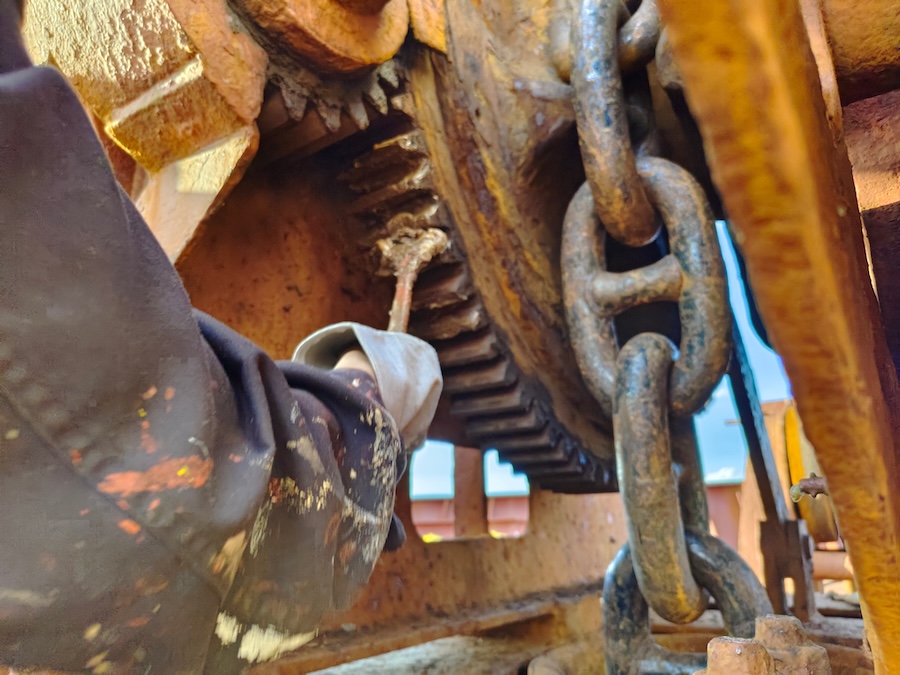
Beyond longer drain intervals, the protective film formed by premium synthetic lubricants helps prevent the metal-to-metal contact that leads to unplanned failures.
Film Strength Under Extreme Loads
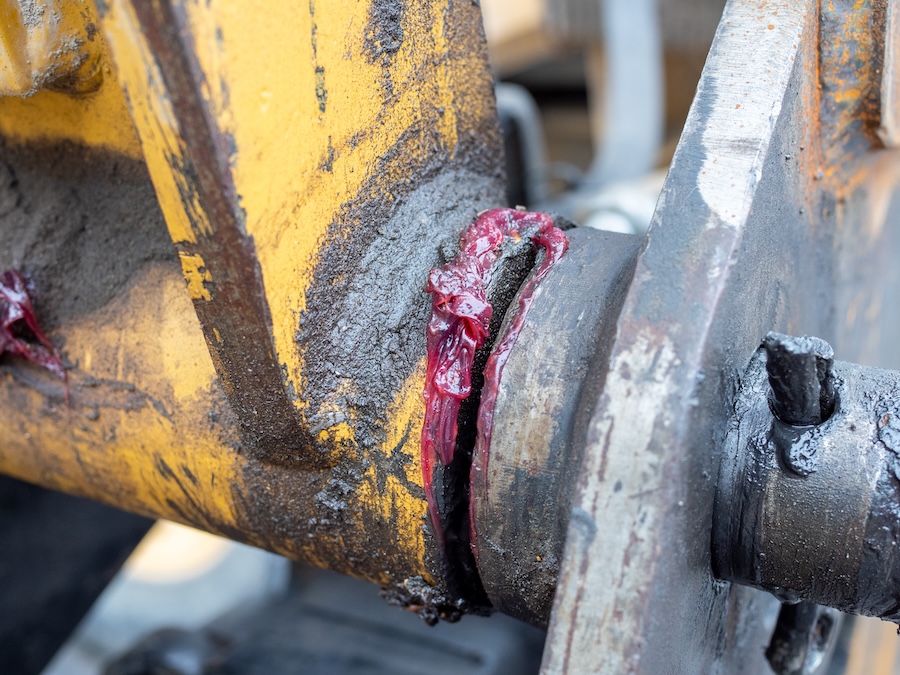
Heavy equipment subjects gears, bearings, and hydraulic pumps to shock loads and continuous high pressure. Synthetic base stocks, when paired with robust additive packages, maintain film strength under these conditions better than many mineral oils. Industry studies note that a substantial share of mechanical failures, particularly in bearings, trace back to lubrication issues such as inadequate film, contamination, or degraded oil. Stronger film strength reduces the rate of surface fatigue and abrasive wear.
Managing Heat and Contamination
Lower internal friction generates less heat, which slows oxidation and keeps oil viscosity more stable. Synthetic oils also tend to separate from water more effectively and resist the formation of varnish. In dusty or wet environments typical of construction and mining sites, these properties help the lubricant continue protecting components between services. The outcome is fewer unexpected breakdowns that force equipment off the job for emergency repairs.
Real-World Impact on Construction and Mining Operations
Construction and mining fleets operate under some of the harshest conditions, with long shifts, heavy loads, and exposure to dirt, water, and wide temperature swings. Operators who adopt premium synthetic lubricants report gains in equipment availability and lower total maintenance expense.
Increased Equipment Availability
Case examples from mining sites show that synthetic gear oils have extended drain intervals by several hundred percent while eliminating repeated failures that previously required full rebuilds. One operation increased crusher availability by more than 2 percent after changing to a high-performance synthetic extreme-pressure gear oil, avoiding multiple costly rebuilds. Engine programs that reach 1,000-hour or longer drains, validated by analysis, free maintenance teams to focus on other tasks and keep more machines in the dirt.
Lower Maintenance Costs Over Time
Although synthetic oils carry a higher purchase price, the reduction in oil volume, filters, labor, and unplanned repairs typically lowers overall cost of ownership. Energy efficiency can improve modestly as well, because lower friction reduces parasitic losses in engines and hydraulic systems. For high-utilization fleets, these savings accumulate across dozens of machines and thousands of operating hours each year.
Operators looking to reduce both planned and unplanned interruptions should evaluate high-performance synthetic lubricant solutions matched to their specific engines, hydraulics, and gearboxes. Proper selection, combined with oil analysis and good contamination control, turns lubricant choice into a practical tool for higher uptime and more reliable heavy equipment performance.