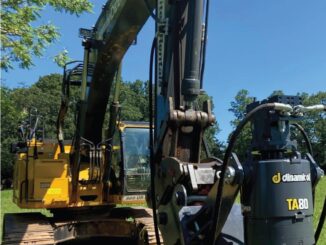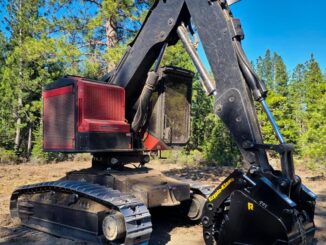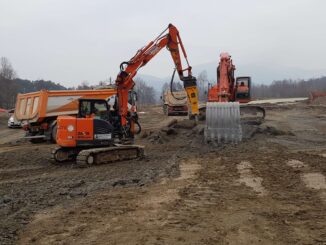


























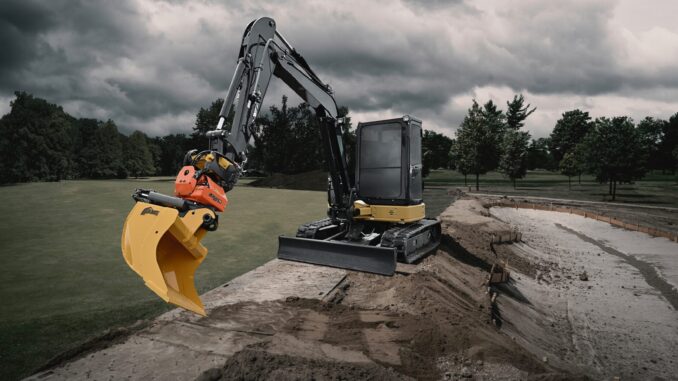
Utility and finish-grading crews waste a lot of cycle time repositioning the excavator so a fixed bucket can meet grade. A tiltrotator changes that geometry: continuous rotation plus a wide tilt range lets the operator shape trenches, grade slopes, and set bedding from one pad—if the coupler, bucket, and operator habits are matched to the work. Spec the package wrong and you add weight, hose clutter, and slower dig cycles without gaining the precision that paid for the tool.
This guide is a field checklist for specifying a tiltrotator workflow on mid-size excavators used for utility digs and finish grading. It is not a brand bake-off and not a substitute for your carrier’s hydraulic limits or the project’s grade tolerance. Treat manufacturer tilt angles, torque figures, and coupler styles as data you verify against machine class, attachment inventory, and the crew that will run the stick every day.
When a Tiltrotator Pays for Itself on Utility and Finish Grading
A tiltrotator earns its keep when the day’s work is about placement and finish, not bulk dig production. Lateral service trenches, storm and sanitary laterals, driveway approaches, and finish grading against curbs or buildings force constant machine moves when the bucket cannot rotate or tilt under the stick. Each move burns fuel, risks curb and mat damage, and interrupts the pipe crew waiting on grade.
The economics flip on long, straight mass excavation where a standard digging bucket and a clean dig pattern still win. Keep the tiltrotator on the utility or finish machine—or plan a sandwich mount so you can park the rotator when the same carrier switches to production dig. Crews that leave a tiltrotator on for every task often blame the attachment for slow cycles when the real issue is using a finishing tool for bulk dirt.
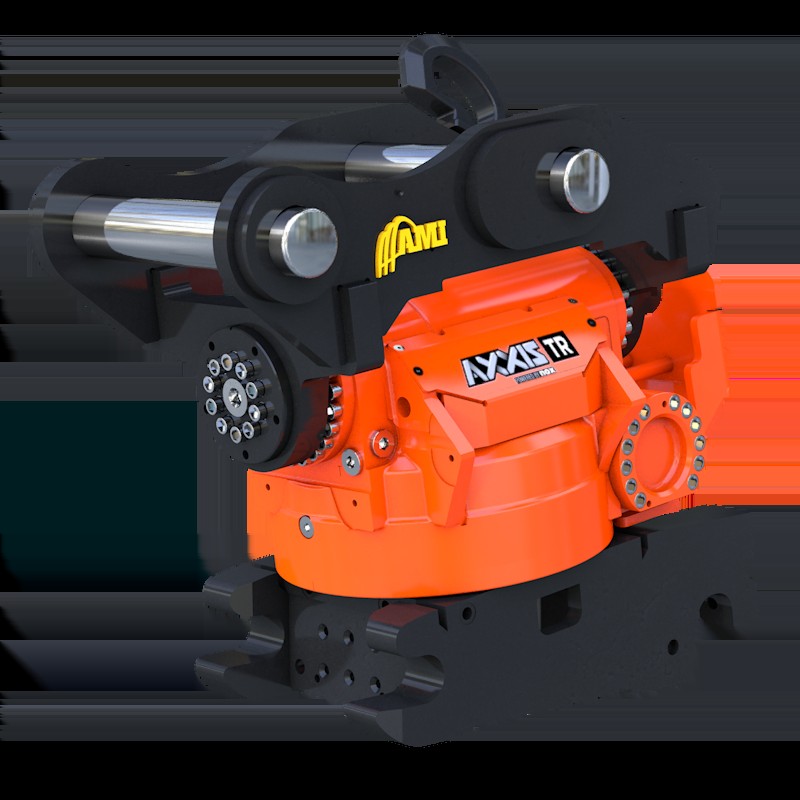
Published product data for helical-actuator tiltrotators commonly pairs 360° continuous rotation with roughly ±45° to ±50° of tilt (about 90°–100° total tilt range). That envelope is what lets an operator hold a ditch slope, roll a bucket to dump spoil clear of the trench, and square a cutting edge to a string line without walking the tracks. If your utility work is mostly flat bottoms and vertical walls with room to reposition, a simpler tilt bucket may be enough—and cheaper to train on.
Pin-Grab vs S-Lock Coupler Decisions for Mixed Fleets
Coupler choice decides how fast you change tools and how safely the attachment stays locked under the rotator. Pin-grab styles that clamp factory pins are familiar to mixed fleets that already run pin-on buckets across several machine classes. S-lock and similar dedicated interfaces trade some interchange flexibility for a coupler geometry designed around the tiltrotator’s lower mount, often with clearer lock indication from the cab.
Match the top mount to how you deploy the rotator. Direct top mounts keep the stack compact when the tiltrotator stays on one carrier. Sandwich mounts—rotator under a standard hydraulic coupler—let you drop the whole tiltrotator when that machine goes back to production digging, which matters in rental yards and multi-crew fleets. Confirm that any sandwich stack still leaves enough stick-to-bucket clearance for the trenches you dig and the thumbs or grippers you occasionally need.
Hydraulic and electrical pass-throughs matter as much as the mechanical lock. Extra functions for tilt, rotate, and optional grippers need flow, pressure, and a control scheme the operator can run without hunting switches mid-cycle. If the fleet already standardized on a coupler family, stay inside that family unless the tiltrotator’s published options clearly require a different lower interface—and then budget adapters, training, and spare pins before the first utility cut.
Pairing Ditch-Cleaning, Trapezoid, and Digging Buckets With Tilt Control
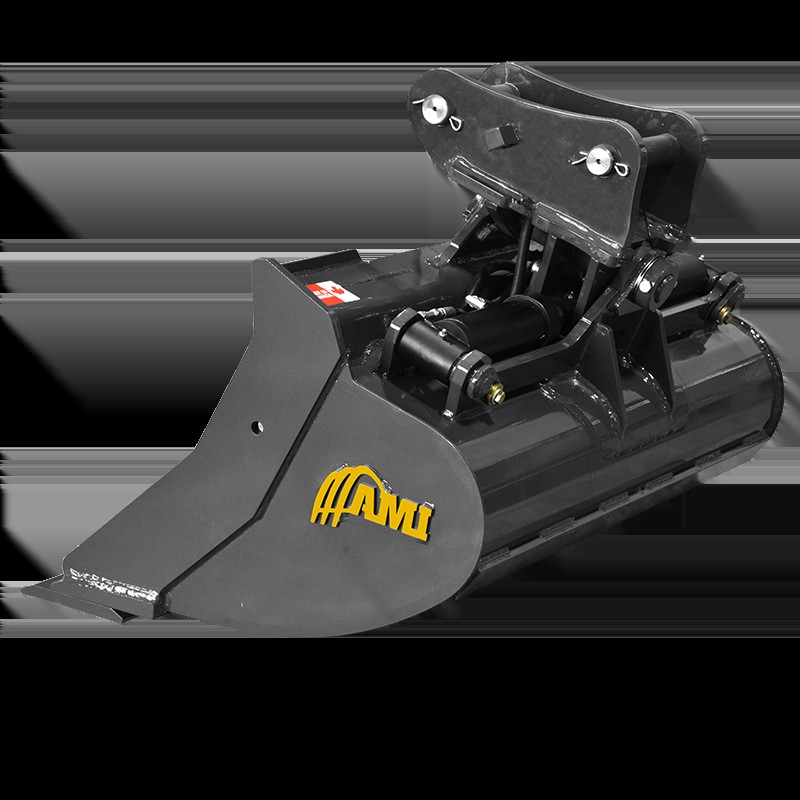
The rotator only positions what you hang under it. Ditch-cleaning and grading buckets with bolt-on edges are the usual partners for finish work: wide cutting edges, smooth bottoms, and profiles that leave a clean slope when tilted. Trapezoid buckets suit trench bottoms that must match pipe bedding geometry. Standard digging buckets still belong in the kit for breakthrough, frost, and production dig segments—but they are not the tool that sells the tiltrotator’s precision.
Watch width and side clearance. Compact tiltrotator housings help dig narrower trenches without the rotator body scrubbing the walls, but a wide ditch bucket plus tilt can still foul shoring, trench boxes, or adjacent utilities. Spec bucket widths against the trench detail, not against the biggest bucket the coupler will accept. Wear package and edge style should match the soils you finish in: abrasive sand and recycled aggregate chew edges faster when you hold precise grade all day.
Optional integrated grippers under some tiltrotators help pick pipe, timber, and debris without swapping to a dedicated grapple—useful on utility cuts where spoil, fittings, and short pipe joints share the same pad. They are not a substitute for a demolition grapple on C&D, and they add another circuit to maintain. Spec them only if the crew’s typical day includes frequent on-the-fly picks that currently force a tool change or hand labor in the trench.
Operator Training That Keeps Cycle Times From Ballooning
New tiltrotator operators often over-rotate, chase micro-adjustments, and forget to use tracks when a small reposition would be faster. Training should start with a short “when to rotate vs when to walk” drill on a marked trench, then move to holding a consistent slope while dumping spoil clear of the open cut. Proportional tilt and rotate controls help, but only if the operator knows which roller does what under gloves and stress.
Set expectations for cycle time on utility work: the win is fewer machine moves and cleaner grade for the pipe crew, not matching a production dig bucket’s yardage per hour. Pair a experienced finish operator with the new setup for the first week of laterals and approaches. Manufacturers of tiltrotators and matched buckets—including AMI Attachments—publish tilt range, coupler options, and control packages so fleets can train against documented envelopes instead of tribal habits.
Write a one-page cab card: lock/unlock sequence, max recommended bucket widths for common trenches, grease points, and what to do if a lock indicator or pressure alarm appears. Stick it where the next rental or night-shift operator will see it. Most “tiltrotator is slow” complaints trace to missing that card and letting every operator invent a control map.
Wear-Plate and Edge Maintenance That Preserve Grading Accuracy
Finish grading accuracy dies when edges round off and side cutters wear unevenly. Inspect bolt-on edges and wear plates at every fuel stop on abrasive sites, and replace before the bucket parent material starts rounding. A tilted bucket that is worn more on one corner will leave a twisted grade that looks like an operator problem in the survey shots.
Grease the tiltrotator on the interval the manufacturer publishes—compact housings with few grease points still fail when grit packs the seals after mud and sand work. Check hoses at the swivel and at clamp points where the stick articulation rubs armor. After washdown, confirm locks, pins, and any gripper tines are clear of concrete paste or clay that will freeze overnight.
Keep a spare edge set and a known-good pin kit on the truck when the utility package is the only finisher on the job. Waiting on edge hardware turns a half-day of approach grading into a rental scramble. Log hours on the rotator the same way you log hours on the carrier; tilt and rotate torque specs assume a maintained unit, not one that has been run dry for a season.
Final Thoughts
A tiltrotator turns a mid-size excavator into a finishing machine when the coupler matches the fleet, the buckets match the trench details, and the operator knows when to rotate instead of walk. Spec tilt and rotation against real utility and grade work, not against brochure maximums you will never use in production dig. Train the control map, protect edges and grease points, and park the rotator when bulk dirt is the day’s job. Do that as a routine—and the package pays back in fewer moves and cleaner grade instead of slower cycles and frustrated pipe crews.