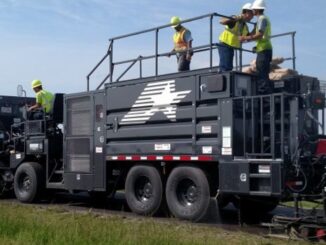















































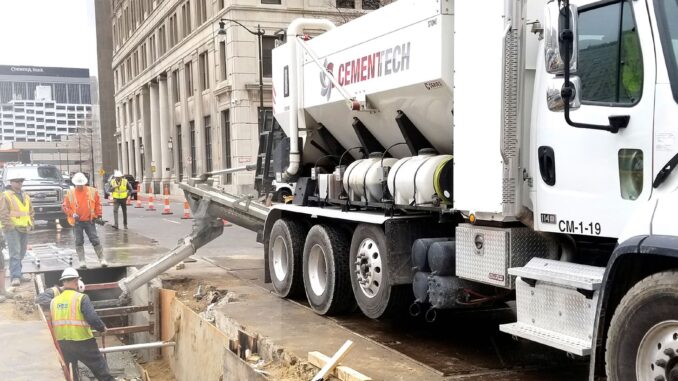
A volumetric mixer does not hand you a ready-mix ticket and a plant’s quality system. It meters sand, stone, cement, water, and admixtures on site—then mixes them in the auger as you pour. That flexibility is the point: change mix designs mid-day, stop and start without wasting a drum, and match slump to the placement in front of you. It is also the risk: if gates, cement metering, and water flow are wrong, every yard you place is wrong.
This guide is a contractor checklist for calibrating a volumetric mixer so batches hit slump and strength without wasting material. It is not a substitute for the manufacturer’s calibration procedure or the agency’s acceptance testing. Use published capacities and control features as orientation, then prove accuracy with the yield and strength samples your specs already require.
What “Accurate” Means on a Volumetric Mixer vs a Ready-Mix Ticket
Ready-mix accuracy is largely decided at the plant: batched weights, mixing time, and a delivery ticket you can audit. Volumetric accuracy is decided continuously at the job—gate openings, cement meter counts, water flow, admixture pumps, and auger mixing as materials leave the bins. “Accurate” means the fresh concrete leaving the chute matches the mix design proportions you intended for that pour, not merely that the truck looked busy.
That difference changes how you think about QC. You are not only sampling a truck; you are verifying a mobile proportioning system. Gate calibration, cement calibration, and water-meter checks are the equivalent of watching the plant’s scales. Skip them and you are guessing with structural concrete.
Flexibility is still the advantage. Need a stiffer mix for the curb and a higher-slump mix for the formed wall an hour later? A calibrated volumetric mixer can change electronic or mechanical mix setups without dumping half a load—provided the calibrations behind those setups are still true.
When owners ask why volumetric concrete costs what it does, accuracy is the honest answer: you are paying for on-site proportioning control, not for a drum of leftover mix you cannot use after a weather delay. That value disappears the day calibration is skipped.
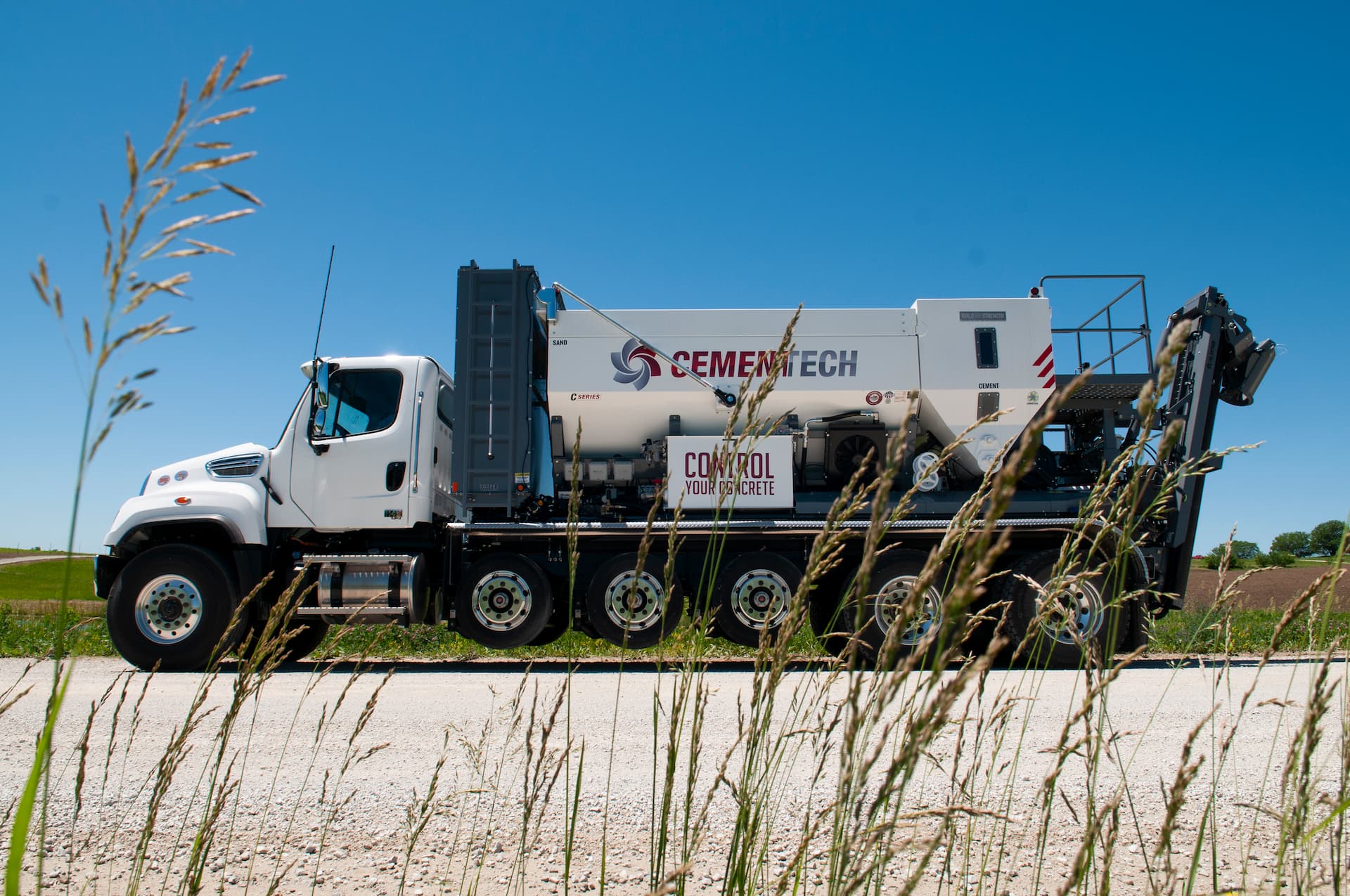
Calibrating Aggregate Gates, Cement Metering, and Water Flow Before Production
Calibration is a sequence, not a vibe. Aggregate gates (sand and stone) are typically checked by discharging material for a timed or counted interval into a container you can weigh, then comparing actual mass to the target for that gate setting. Cement metering is checked the same way—capture cement over a known count or time and weigh it. Water is verified with a calibrated meter or a catch-and-weigh method against the flow setting you will use in production.
Do this before production yards start stacking trucks—ideally on a level site with known container weights and a scale you trust. Record gate marks, meter counts, water settings, and ambient conditions. When the manufacturer provides a computerized control panel with digital display of yardage and materials, use it as the operator interface—but still prove the underlying meters and gates against weights. Electronics display what sensors claim; calibration confirms the sensors.
Admixture pumps deserve the same discipline. A mix that is “a little off” on water-reducer or air-entraining admixture will chase you through slump adjustments all day. Calibrate admixture flow, then lock the mix design you intend to run first.
Published mixer capacities vary by model. As orientation only, some computerized truck-mounted units list carrying capacity around 10 cubic yards, cement bin capacity in a broad range such as roughly 115–140 cubic feet, water tanks on the order of 500 gallons, and high theoretical production rates—always confirm the plate and the manual for the unit you are calibrating. Calibration is about proportions, not about chasing a brochure’s peak cubic yards per hour.
Changing Mix Designs Mid-Pour Without Dumping Half a Load
The operational win for volumetric mixing is stopping and switching without wasting a drum. Mid-pour changes still need a method: finish or purge the previous mix from the auger as your procedure requires, select the new calibrated mix design on the controller (or reset mechanical settings to the recorded marks), and verify fresh properties before you bury reinforcement in the new material.
Do not treat “a little more water” as a new mix design. If the placement needs a different slump or strength, use the mix you calibrated for that outcome. Chasing slump with uncontrolled water destroys water-cement ratio and makes strength samples a lottery. If the design allows a water adjustment range, stay inside it and document what you did.
Sequence the day’s pours when you can: run the stiffer or lower-slump work first if that matches the schedule, then change to higher-slump mixes, or the reverse—whatever reduces flip-flops. Every change is a chance to mis-select a mix on the panel; slow down at the controller and confirm the name and proportions before the chute opens.
Recording Yield and Strength Samples for DOT and Commercial Specs
Agencies and commercial specs do not accept “it looked right in the auger.” They accept yield checks, slump or spread, air content where required, temperature, and cylinders or beams made to the project’s frequency. Build sampling into the pour plan so the nozzle—or chute—operator is not surprised when the technician steps in.
Yield is the bridge between calibration and reality. If unit weight and yield show you are light or heavy on cementitious content or aggregate, stop and recalibrate before you place a day’s worth of wrong concrete. Strength samples close the loop days later; yield and fresh tests catch you the same afternoon.
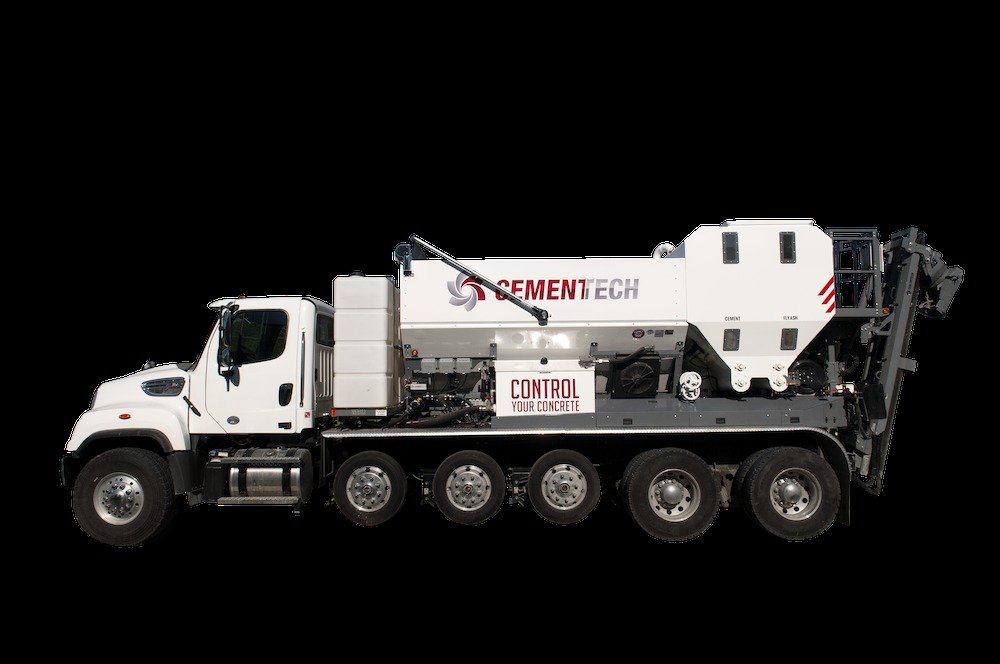
Keep the paper (or digital log) with mix design identification, calibration date, gate/meter settings, water, admixtures, weather, and sample IDs. Manufacturers of volumetric mixers—including Cemen Tech—design truck systems and controls so contractors can proportion and record on site; your QC file is still what the inspector and the owner will ask for when a cylinder breaks low.
Daily Cleanout Habits That Protect Accuracy Tomorrow
Cement and paste left in the auger, on the chains, or around gates become tomorrow’s metering error and today’s hardened headache. Cleanout is part of calibration hygiene. Wash the auger and discharge thoroughly, clear gate throats, and make sure water lines and admixture systems are flushed per the manufacturer’s guidance so residue does not contaminate the next mix.
End-of-day checks should include looking for worn gate edges, chain stretch or damage on the conveyor, leaking water valves, and empty or contaminated admixture tanks. A gate that no longer matches its calibration mark because of wear will proportion beautifully on the screen and wrongly on the scale.
Restock calibration tools where the truck lives: sample containers, a trustworthy scale access plan, blank calibration sheets, and the mix designs you expect to run next. The fastest way to skip calibration in the morning is to make it inconvenient.
If you operate more than one truck, calibrate each unit—do not copy gate marks from a sister mixer without a weigh-out. Wear, chain stretch, and meter drift differ by truck. A fleet that shares mix-design names still needs per-truck calibration sheets dated and signed before the week’s production starts.
Final Thoughts
Volumetric mixers hit slump and strength without waste when gates, cement metering, and water flow are calibrated, mix changes are deliberate, and yield plus strength sampling stay part of the day—not an afterthought. Treat the truck like a mobile plant: prove the meters, record the settings, clean the auger, and only then enjoy the flexibility of changing mixes mid-day. Accuracy is not a button. It is a habit you repeat before the first yard and protect until the last washout.