










































Utility cuts and cold-patch days punish emulsion systems that sit overnight cold, get flushed late, or spray with a wand that still carries yesterday’s skin. Emulsion that will not atomize at the first call means a crew waiting on heat while traffic stacks up. A clogged wand or spray bar turns a short trench tack into a solvent fight. This guide is a contractor-side checklist for keeping truck- and trailer-mounted patching emulsion sprayers hot, clean, and ready—not a brochure tour of tank sizes.
The focus here is emulsion used as tack and binder on utility cuts, potholes, and small cold-patch repairs. It is not a full distributor-truck paving guide. Get heat and recirculation, flush discipline, and wand technique right before you argue pump versus compressor preference.
Pump vs Air-Compressor Emulsion Systems: Which Fits Patch Crews
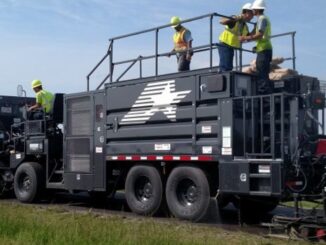
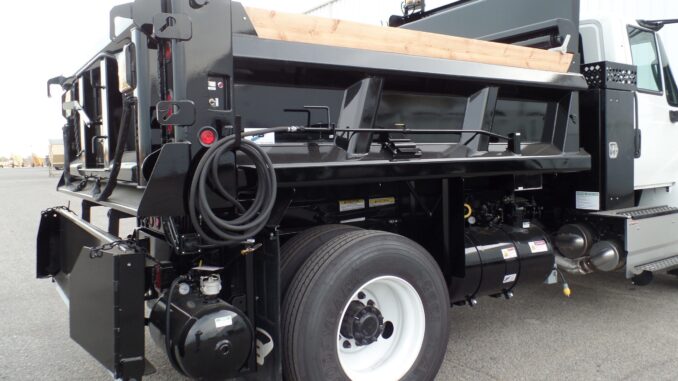
Two common architectures show up on patch trucks and trailers. Pump-type systems push emulsion with a hydraulically driven pump and usually pair a solvent tank with a waste-tank path so the hose and wand can be flushed without dumping solvent into the emulsion tank. Compressor-type systems pressurize the emulsion tank from the truck air system or a dedicated compressor and spray from that pressure. Both can work on utility cuts; the difference is what fails when heat, filters, or operator habits slip.
Pump systems reward crews that actually use the flush circuit. If the Y-strainer, fill basket, and solvent flush are ignored, the pump and wand tip become the first casualties. Compressor systems reward clean air and honest tank pressure: water in the airline, a leaking fitting, or a cold, thick emulsion that will not leave the wand tip cleanly will look like a “bad compressor” when the real problem is temperature and viscosity. Trailer and slip-in units often carry their own LPG heat and, on compressor models, an engine-driven compressor—so overnight readiness is as much a fuel and battery problem as a product problem.
Match the architecture to how your crew patches. High-volume trench days with long hose runs and frequent wand work favor a pump system with a solvent flush path you will use every afternoon. Smaller municipal fleets that already live on truck air and short hose loops can run compressor systems well if overnight heat and pressure checks are part of the morning ritual. Either way, tank volume should cover the densest patch day with margin—not the empty calendar week.
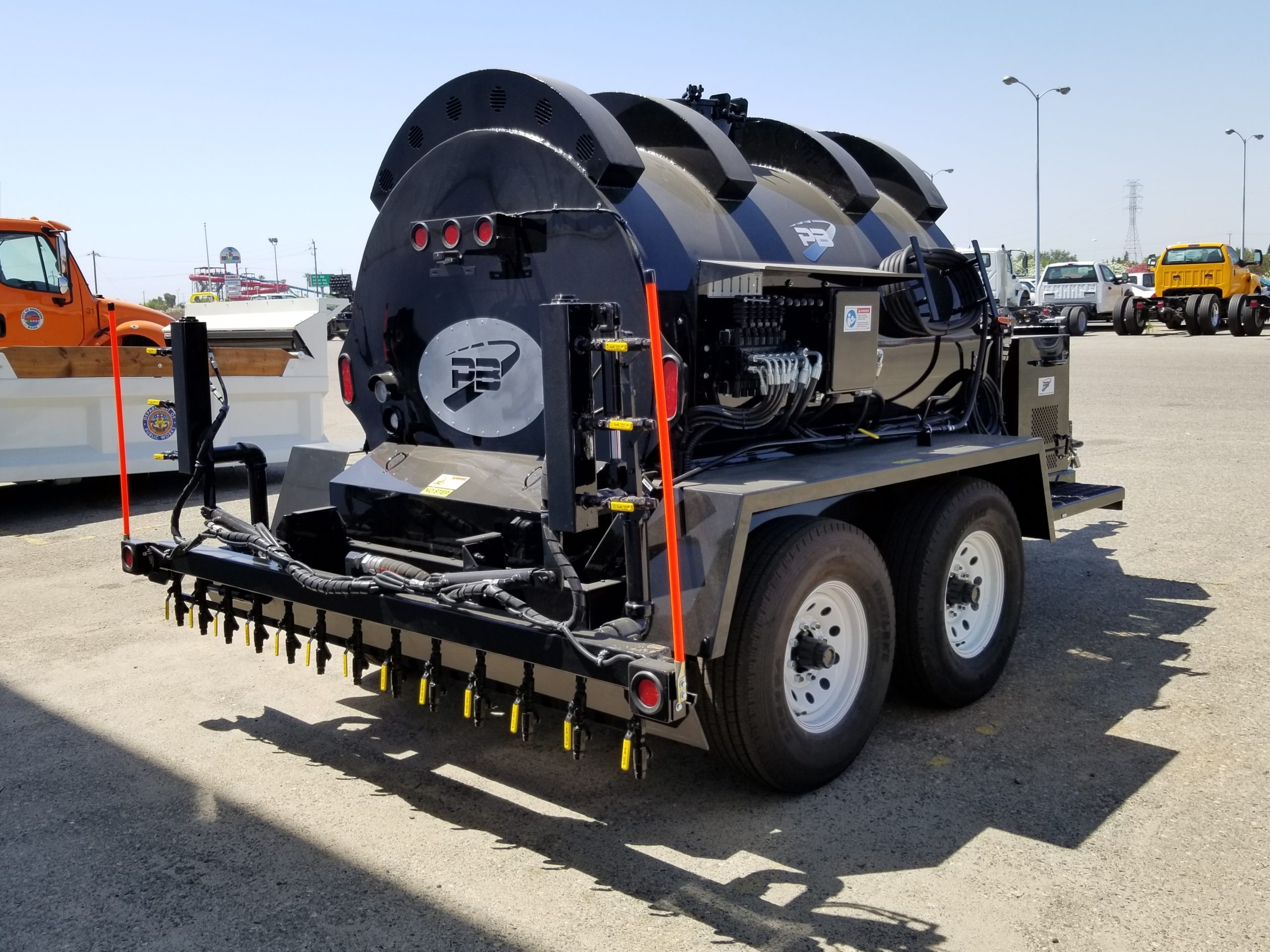
Overnight Heat and Recirculation So Emulsion Stays Sprayable at First Call
Emulsion that sat cold overnight will not spray like the sample that left the plant warm. Truck-mounted units often borrow heat from the truck cooling system; trailer and slip-in units commonly rely on LPG burners. Auxiliary electric heat appears on some patcher packages when engine coolant heat alone is not enough for early calls or long idle waits. Whatever the heat source, the goal is the same: bring the emulsion into the manufacturer’s sprayable temperature range before the first wand trigger—not after the third clogged tip.
Recirculation matters as much as absolute temperature. Dead emulsion in a cold hose or spray-bar leg skins and gels; warm emulsion sitting still in a corner of the tank can stratify. A short recirculation cycle through the hose (with the wand tip pointed into a waste container or back to the tank per the unit’s design) before the first patch clears soft plugs that overnight cooling left behind. If your unit can recirculate through the spray bar, do that before you expect even fan patterns on a short bar pass.
Write the morning sequence the same way every day: confirm fuel or coolant heat is available, bring tank temperature into range, recirculate, then verify wand atomization on a scrap board or into the waste path—not on the finished trench. Crews that skip recirculation “to save time” spend the time later picking skin out of tips.
Solvent Flush and Waste-Tank Habits That Prevent Clogged Wands
Solvent flush is not optional chrome on a pump emulsion system—it is how the hose and wand survive the week. Emulsion left in a hose overnight becomes tomorrow’s plug. A disciplined end-of-day flush pushes emulsion back or out, then solvent through the hose and wand, with waste collected in the waste tank instead of on the pavement or into the emulsion tank. Skipping the waste tank and “just blowing it on the ground” is how shops inherit environmental headaches and how wands inherit soft plugs that solvent never fully clears.
Keep the Y-strainer and fill basket on a schedule you can say out loud. A strainer packed with skin and grit makes every wand pull look like a pump problem. Fill baskets that dump dirty emulsion into the tank shorten filter life and tip life together. Carry spare tips and a clean strainer element on the truck; a tip change at the trench is cheaper than a half-hour of poking wire through a gelled orifice while the flagger holds traffic.
Compressor systems without a dedicated solvent circuit still need a clean-out habit: relieve pressure safely, drain or capture residual emulsion from the hose per the manufacturer’s procedure, and store the wand so the tip is not packed with dried binder. “We’ll flush Friday” is how Monday’s first cut opens with a dead wand.
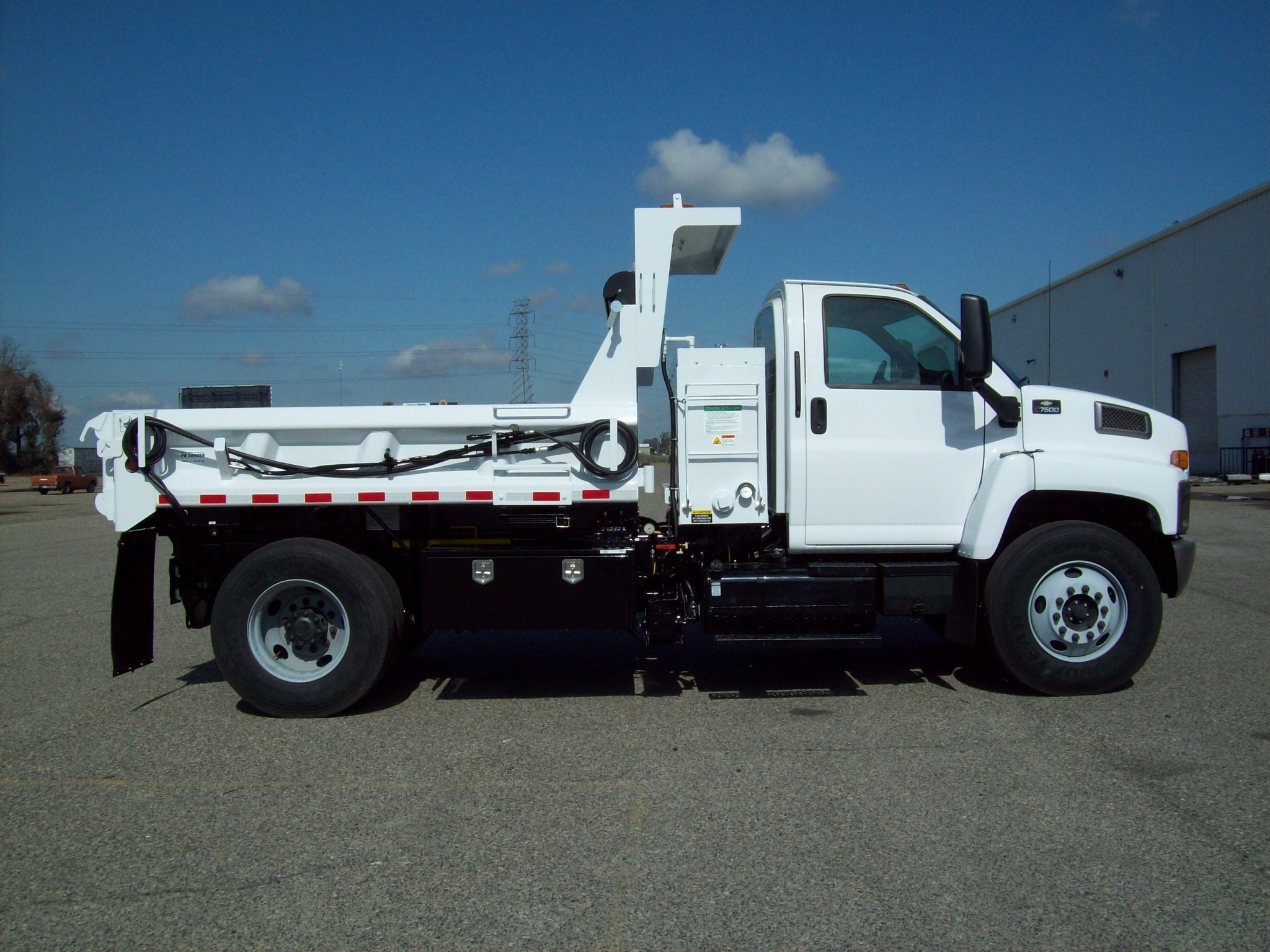
Hand-Wand and Short Spray-Bar Technique for Trench and Pothole Tack
Most utility-cut and pothole work is wand work. Hold distance and travel speed steady enough that the emulsion films the milled or saw-cut faces and the trench bottom without puddling into a slick that tracks onto the adjacent lane. Too close and too slow floods the cut; too far and too fast dusts the aggregate without wetting it. On vertical cut faces, a deliberate pass that wets the face—not a fog that only hits the bottom—keeps cold patch and hot mix from peeling at the joint.
Short spray bars earn their keep on longer trench runs and wider patches when the crew wants a more uniform fan than a wand can hold. Bar height, nozzle condition, and travel speed decide whether you get a clean tack stripe or striping with holidays. Plugged nozzles on one side of the bar are how one edge of a trench gets no tack while the other gets a puddle. Check nozzles after recirculation and before the production pass.
Manufacturers of truck- and trailer-mounted emulsion sprayers—including PB Loader Corporation—publish pump and compressor packages, tank sizes, and wand and spray-bar options so buyers can match heat source and flush hardware to the patch day they actually run. Spec the wand hose length you will use on the farthest cut from the truck, not the hose that looked neat in the lot photo.
Winter and Overnight Storage Checks That Save a Morning
Cold weather multiplies every bad habit. Emulsion that was marginal at dawn in April is a brick in January if heat was left off. LPG bottles that run dry overnight leave trailer units cold at first call. Truck coolant heat does nothing if the truck was not run long enough to warm the system before the crew expects spray. In freezing climates, confirm heat source, fuel level, and a recirculation plan the night before—not in the dark at the first ticket.
Storage is also a cleanliness problem. Park with the wand and hose flushed, tips protected, and strainers clean. Cover or cap openings that collect rain and road grit. If the unit sits for days between calls, a short heat-and-recirculate exercise mid-week beats discovering a gelled hose on the emergency cut. Battery and engine health on self-powered trailers belong on the same checklist as emulsion temperature; a dead trailer engine means no compressor and no heat when you need both.
Before winter peaks, walk the heating circuit: burner condition, electric element function if equipped, coolant hose integrity on truck-heated units, and gauges you trust. A temperature gauge that lies high is how crews spray cold emulsion and blame the emulsion supplier.
Final Thoughts
A patching emulsion sprayer earns its keep when the first wand pull of the day lays a clean film on the cut—not when the third tip change finally clears overnight skin. Choose pump or compressor for how your crew flushes and how your truck supplies heat and air, then treat overnight heat, recirculation, and solvent-or-clean-out discipline as part of the patch—not as shop work you will do later. Keep strainers honest, nozzles open, and wand technique steady on trench faces—and the emulsion system stays ready for utility cuts instead of becoming the reason the patch waits on traffic.