




























View the complete article here.
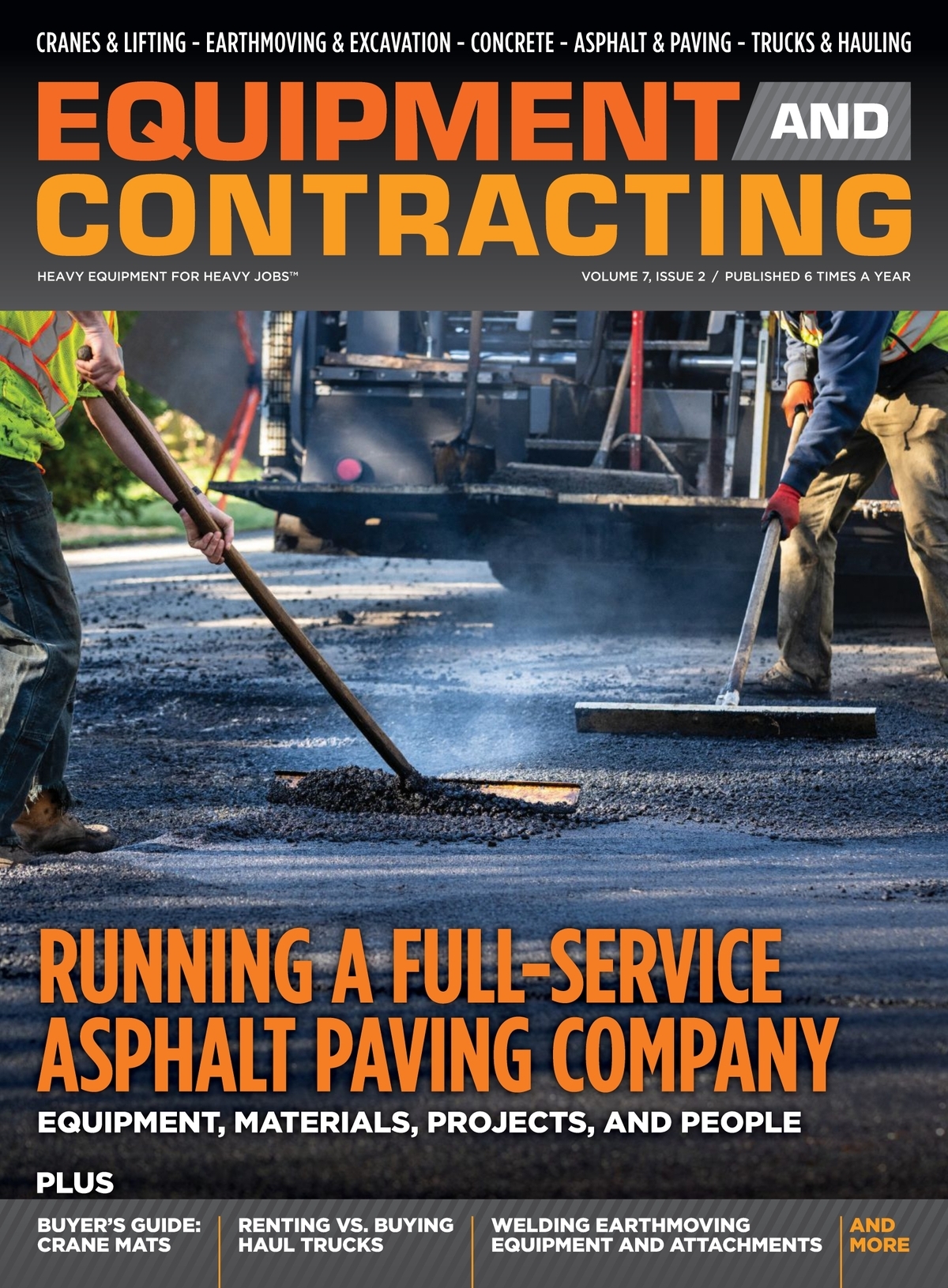
Asphalt and paving equipment can be a major capital investment. Pavers, rollers, milling machines, and related support equipment work in some of the harshest conditions in construction—including high heat, constant vibration, abrasive material, and long operating hours. Contractors who put off maintenance eventually pay for it through more downtime, higher repair bills, and machines that wear out years earlier than they should.
1. Make Daily Inspections Non-Negotiable
A quick walk-around before the shift catches problems while they are still cheap to fix. Check fluid levels, look for leaks, inspect tracks or tires, examine the screed and conveyor systems on pavers—and verify that lights, backup alarms, and safety devices work. Pay special attention to hydraulic hoses and fittings, as heat and vibration accelerate wear. Document findings and address issues before the machine leaves the yard.
2. Clean Aggressively and Consistently
Asphalt buildup is one of the biggest enemies of paving equipment. Material that hardens on conveyors, augers, screed plates, and roller drums creates uneven surfaces, increases wear, and can lead to costly component failure. Clean machines at the end of every shift while the material is still warm enough to remove. Use approved release agents and avoid high-pressure washing that forces water into bearings and electrical systems. A clean machine runs cooler, uses less fuel, and is easier to inspect.
3. Protect the Heating and Screed Systems
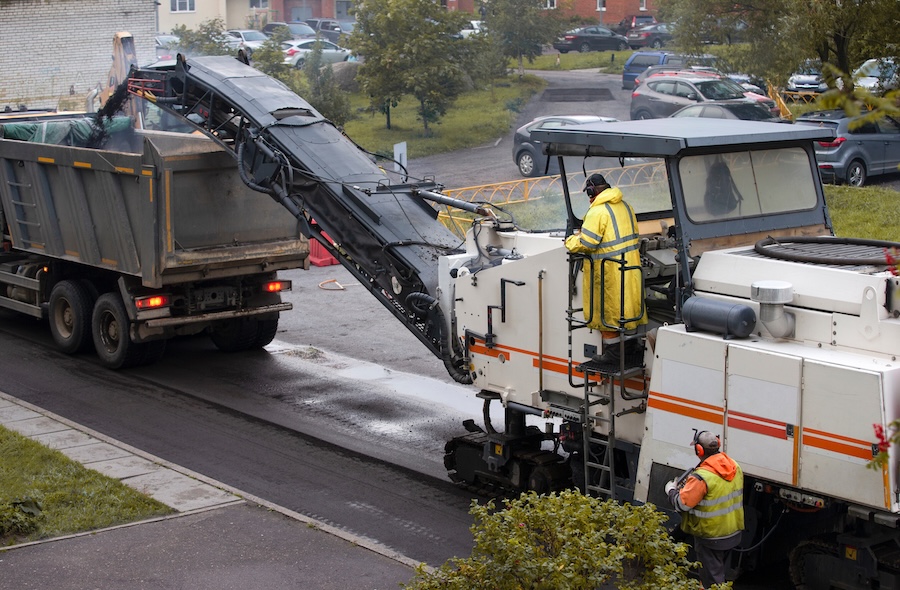
On asphalt pavers, the screed and heating system are critical to mat quality and machine longevity. Keep burners, glow plugs, and heating elements clean and properly adjusted. Monitor temperature sensors and replace them at the first sign of inconsistency. Never force a cold screed into operation—proper preheating reduces stress on the system and improves compaction results from the first pass.
4. Stay Ahead of Lubrication and Fluid Maintenance
High operating temperatures break down oil and grease faster than most other applications. Follow the manufacturer’s intervals strictly, and consider shortening them in extreme heat or dusty conditions. Use the correct viscosity and specification for each system. Grease all zerks daily on high-hour machines—paying particular attention to conveyor bearings, auger bearings, and roller drum bearings. Contaminated or degraded fluid is one of the leading causes of premature hydraulic and powertrain failures.
5. Manage Tracks, Tires, and Undercarriage
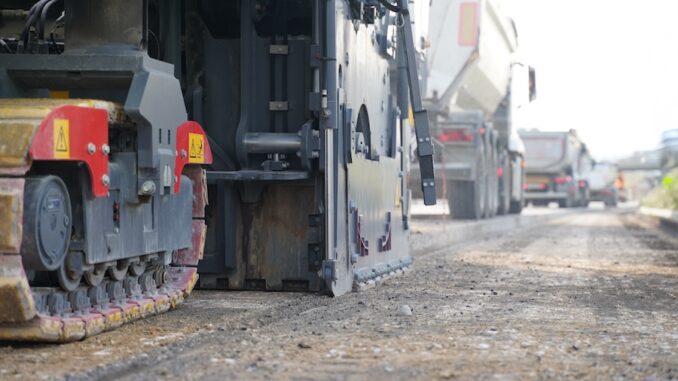
Pavers and milling machines spend long hours on abrasive surfaces. Keep tracks properly tensioned and replace worn pads or rollers before they damage the undercarriage. On rubber-tired machines, maintain correct inflation pressures and inspect for cuts or heat damage. Uneven wear often signals alignment or operating issues that should be corrected early.
6. Store Equipment Properly Between Jobs
When machines sit idle, protect them. Park on level ground, lower the screed or milling drum, and cover sensitive components if the machine will be idle for more than a few days. In colder climates, follow proper shutdown and storage procedures for heating systems and hydraulics. Machines that are stored clean and protected return to service faster and with fewer issues.
7. Train Operators on Habits That Extend Life
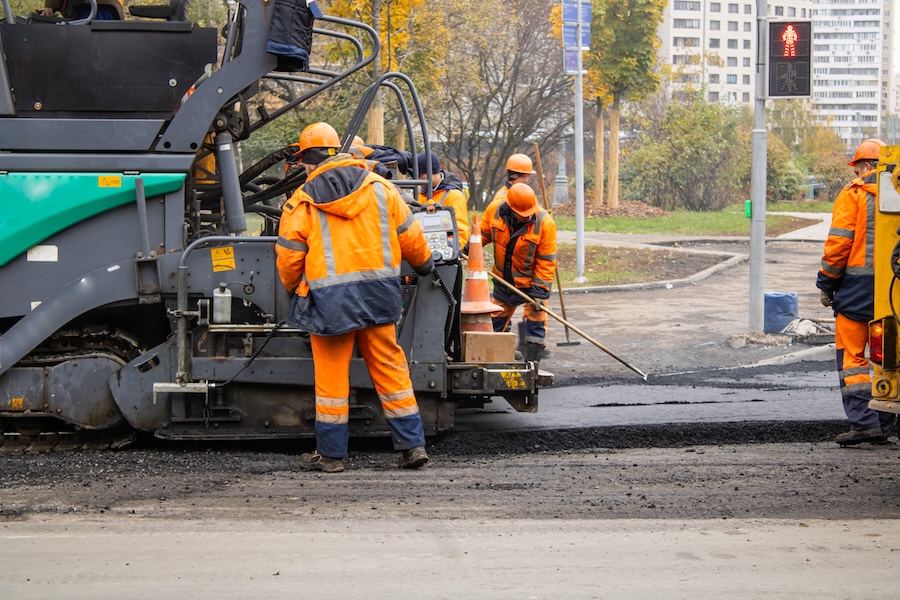
Even well-maintained equipment suffers when operators develop poor habits. Avoid unnecessary high-speed travel on the jobsite, reduce abrupt starts and stops, and never force the machine beyond its design limits. Teach operators to watch gauges and listen for unusual noises. Small changes in operating technique often deliver the biggest gains in long-term reliability.
Final Thoughts
The contractors who get the most years and the most productive hours out of their asphalt and paving fleet treat maintenance as part of daily operations rather than a reaction to breakdowns. Consistent inspections, thorough cleaning, proper lubrication, and disciplined operating habits compound over time. The result is fewer surprises, lower operating costs, and equipment that stays ready when the next paving season arrives.