
































View the complete article here.
New operators and less-experienced crews often learn the hard way that crane and lifting work leaves little room for error. The following mistakes show up repeatedly on jobsites and can lead to damaged equipment, delayed schedules, or serious incidents. Here’s what to watch for and how to stay out of trouble.
1. Skipping or Rushing the Pre-Use Inspection
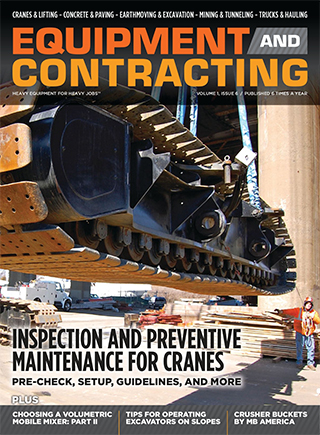
Many new operators treat the daily inspection as a quick formality instead of a critical safety step. Missing a cracked sheave, worn wire rope, leaking fitting, or damaged outrigger pad can turn a routine lift into a serious failure. These oversights usually happen when the crew is under time pressure and assumes everything is still fine from the day before.
Fix: Make the inspection non-negotiable. Walk the entire machine, check the load chart, test the anti-two-block system—and look over wire rope, sheaves, and hydraulic connections. Document anything questionable and resolve it before the first lift of the day.
2. Ignoring or Misreading the Load Chart
Operating by feel or assuming the crane can handle a load because it “looks light enough” is one of the fastest ways to overload a boom or tip a machine. Load charts change with boom length, radius, configuration, and outrigger position—and new operators often skip the step of verifying the exact numbers.
Fix: Confirm the crane’s exact configuration, measure the operating radius carefully, and stay well inside the charted capacity. When conditions are uncertain, reduce the load or change the setup rather than pushing the limits.

3. Poor Outrigger and Ground Setup
Setting outriggers on soft, uneven, or unprepared ground—or failing to fully extend and lock them—remains a leading cause of tip-overs. Newer operators sometimes rush this step to save time, only to discover the surface won’t support the load once the lift begins.
Fix: Assess ground conditions before setting up. Use proper cribbing or mats when needed, fully extend and level the outriggers, and never assume the surface will hold under full load.
4. Side-Loading the Boom
Swinging a load too quickly, dragging it sideways, or picking a load that isn’t centered under the boom tip puts side load on the boom. Most load charts assume vertical loading only, so this practice can quickly exceed the crane’s structural limits.
Fix: Keep the load directly under the boom tip at all times. Use tag lines to control swing and avoid any lateral force on the boom during the lift.
5. Inadequate or Missing Tag Lines
Letting a load free-swing or trying to control it by hand near the landing zone is common with less-experienced crews. This creates struck-by hazards and makes precise placement difficult, especially in windy or tight conditions.
Fix: Use properly rated tag lines on nearly every lift. Assign trained people to control the load and keep them clear of the landing area and the crane’s swing path.
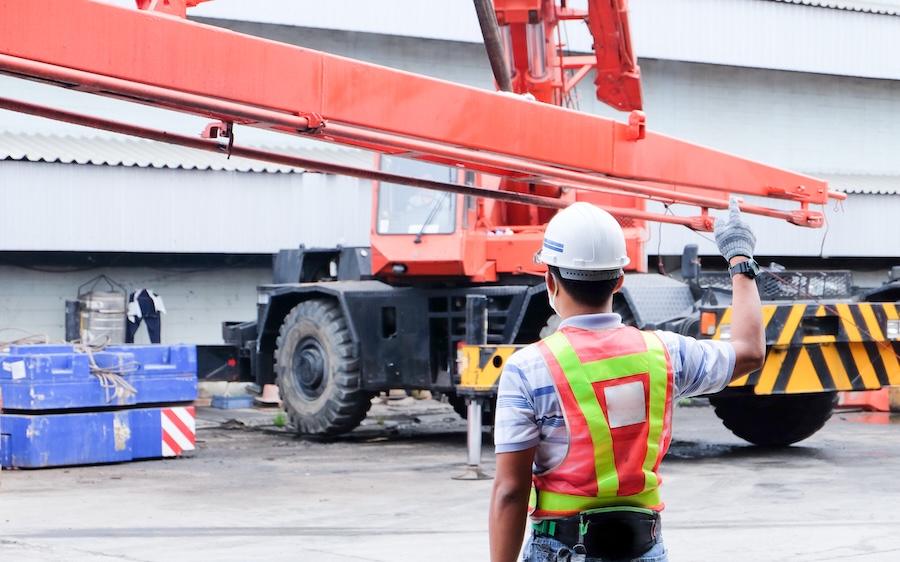
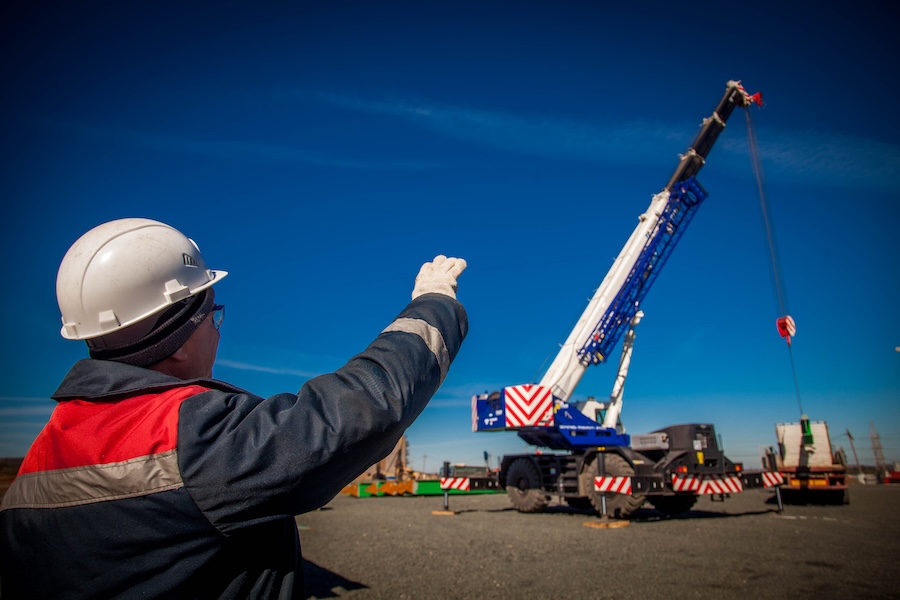
6. Weak Communication and No Dedicated Signal Person
Unclear hand signals, multiple people giving directions at once, or relying only on radios in a noisy environment quickly lead to confusion and near-misses. New crews often assume everyone is on the same page when they are not.
Fix: Designate one qualified signal person for each lift. Agree on the signals before starting and stop the operation immediately if communication breaks down.
7. Incorrect Rigging Practices
Using the wrong sling type, exceeding sling angles, choking a load incorrectly, or failing to protect sharp edges are frequent problems with less-experienced crews. A synthetic sling on a sharp edge can fail quickly, and a wire rope sling used at a severe angle can lose a large portion of its capacity. These mistakes often happen when crews rush or assume the gear is “good enough.”
Fix: Match the rigging to the specific load. Check the rated capacity at the actual sling angle, protect all sharp edges with softeners or padding—and inspect every sling, shackle, and hook before use. If anything looks questionable, re-rig before making the lift.
8. Failing to Account for Dynamic Effects and Wind
Static load chart numbers do not include the extra force created by sudden starts and stops, swinging, or wind. Newer operators frequently underestimate these factors and treat the chart capacity as a hard limit that still applies under dynamic conditions.
Fix: Reduce capacity for any lift that involves movement or potential shock loading, and actively monitor wind speed. When wind becomes a factor, stop and reassess rather than continuing the lift.
Closing Advice
Most of these mistakes stem from rushing or assuming experience will cover gaps in procedure. The contractors who stay productive and incident-free treat every lift as a planned operation: inspect, plan, communicate, and stay inside the chart. New operators who build these habits early avoid the expensive lessons that come from cutting corners.


