











View the complete article here.
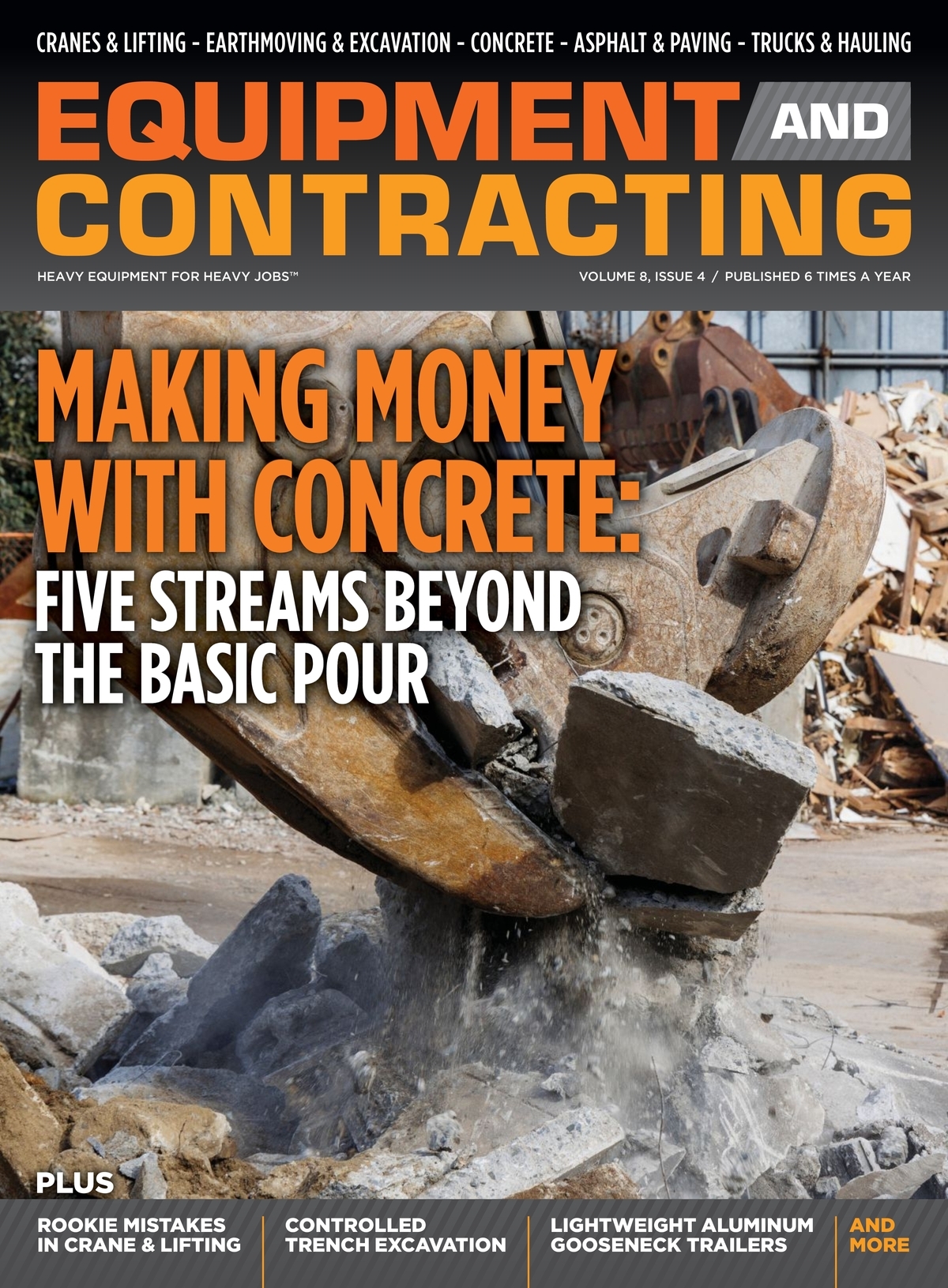
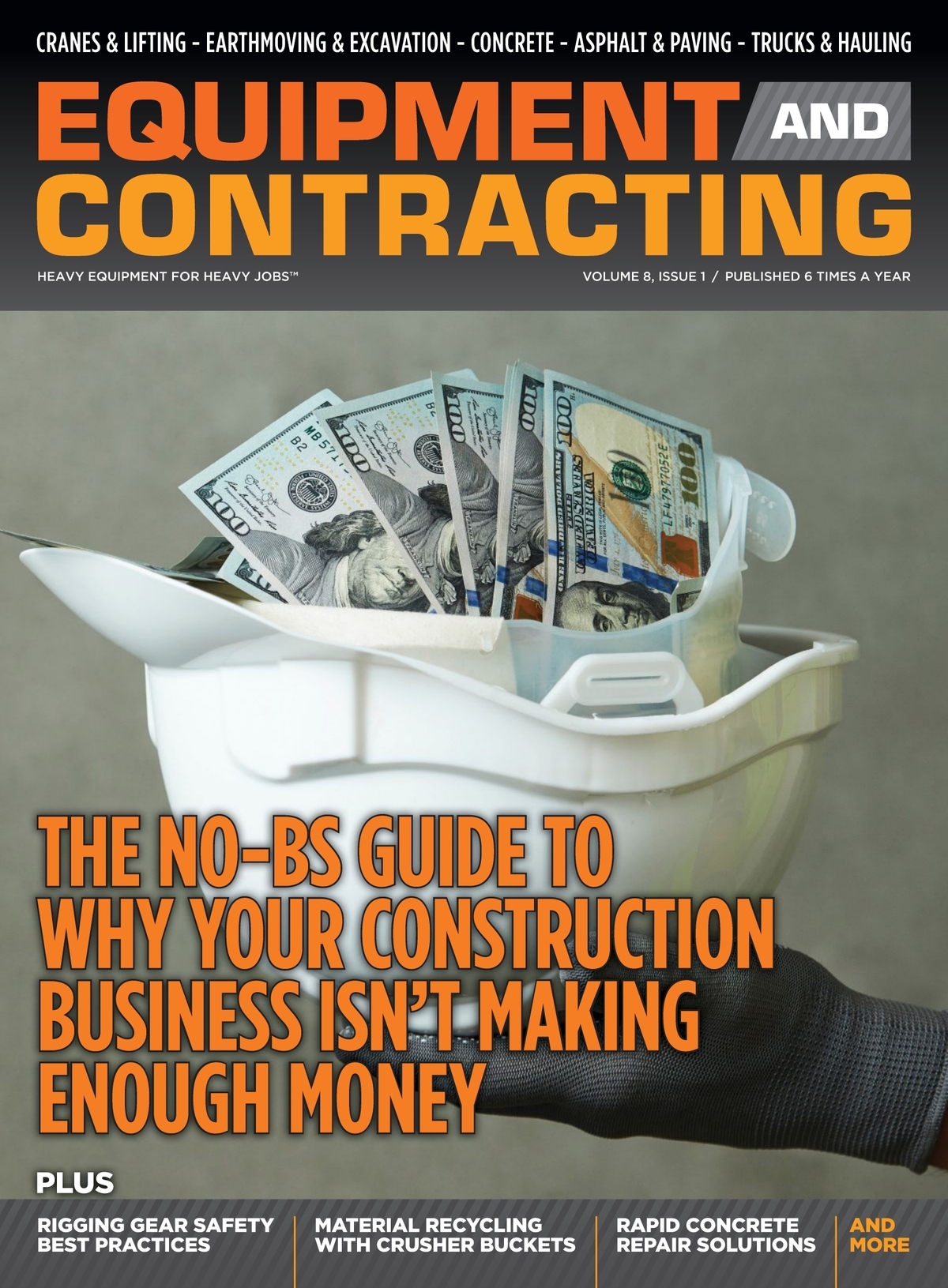
Most contractors already own the equipment and relationships to pour concrete. The real money often sits in the gaps around that pour—services that use existing iron, crews, and customer lists with far less competition than another basic slab bid. Contractors who consistently post the strongest returns aren’t the ones pouring the most concrete—they’re the ones turning every yard into multiple profit centers.
1. Recycled Concrete Aggregate
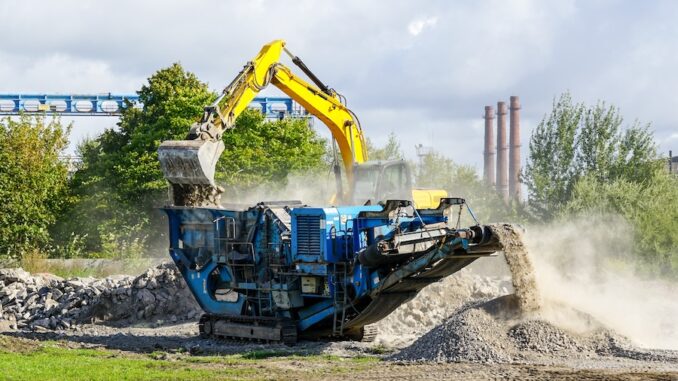
Demolition and reconstruction generate steady piles of clean concrete. Crushing it on-site or in a yard turns waste into sellable aggregate while cutting disposal fees.
Core equipment: Jaw or impact crusher (track-mounted preferred for mobility), screening plant, and a loader. Many contractors start with a used 20–40 tph unit and scale from there.
Economics: Tipping fees plus aggregate sales commonly deliver 30–50% gross margins once volume is consistent. Material costs drop for your own projects, and many municipalities now prefer or require recycled product.
How to add it: Begin with material from your own jobs or a single steady demolition partner. Avoid buying a high-hour crusher until you have 3–6 months of feedstock locked in.
2. Mobile Batching
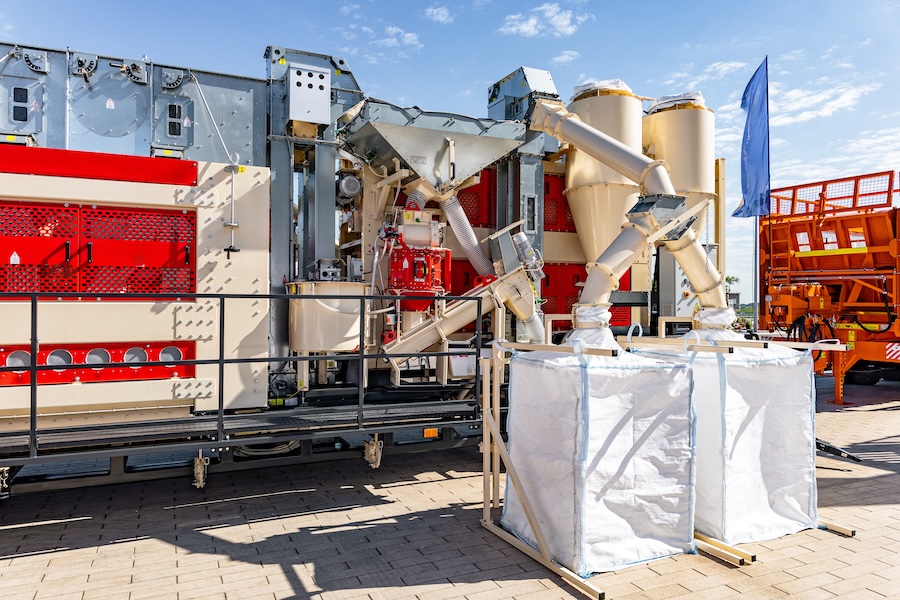
A mobile or portable batch plant lets you produce concrete where the job is instead of relying solely on ready-mix trucks. Ideal for remote sites, large continuous pours, or tight schedules.
Core equipment: Trailer- or skid-mounted batch plant (30–60 yd³/hr range is the sweet spot for most contractors), silos or bulk bags, and water/admixture systems.
Economics: You capture the ready-mix margin plus placement. Typical net improvement is 15–25% on volume work once utilization stays above 40–50%.
How to add it: Start by supplying your own crews on larger projects. Lease or finance a compact plant rather than buying new until the schedule fills. Pair it with an existing mixer truck or volumetric mixer for flexibility.
3. Decorative & Stamped Concrete
Homeowners and commercial property managers pay premiums for stamped, stained, or overlaid surfaces. The work uses many of the same forming and finishing skills already on payroll.
Core equipment: Stamps and texture mats, color hardeners/releases, overlay mixers, and basic grinding or polishing gear. A small trailer can carry everything needed for most residential and light commercial jobs.
Economics: Labor-intensive but high-margin—often 40–60% gross on residential work when material waste is controlled. Average job values run higher than plain flatwork with far less price pressure.
How to add it: Train one or two finishers, buy a starter stamp set, and offer it as an upgrade on existing patio, driveway, and sidewalk quotes. Marketing is mostly photos of completed work sent to past customers.
4. Pumping & Placement Niches
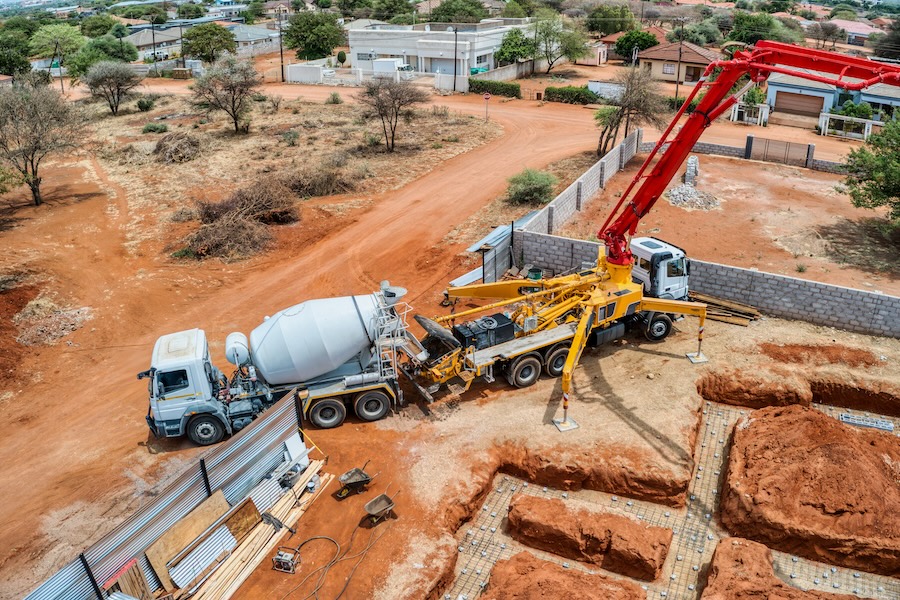
Owning even a modest line pump or boom pump turns placement into a billable service instead of a cost center. It also opens doors to other contractors who need pumping but do not want the capital commitment.
Core equipment: Trailer-mounted line pump for most residential and light commercial, or a small boom pump if vertical reach is required. Maintenance and operator skill matter more than brand.
Economics: Pumping rates of $150–300+ per hour (plus minimums) are common. When the pump stays busy supporting your own pours and a few outside customers, payback can occur inside 18–24 months.
How to add it: Begin with a used line pump sized to your typical jobs. Use it first on your own work to prove reliability, then offer standby or hourly service to neighboring contractors.
5. Specialty Repair & Restoration
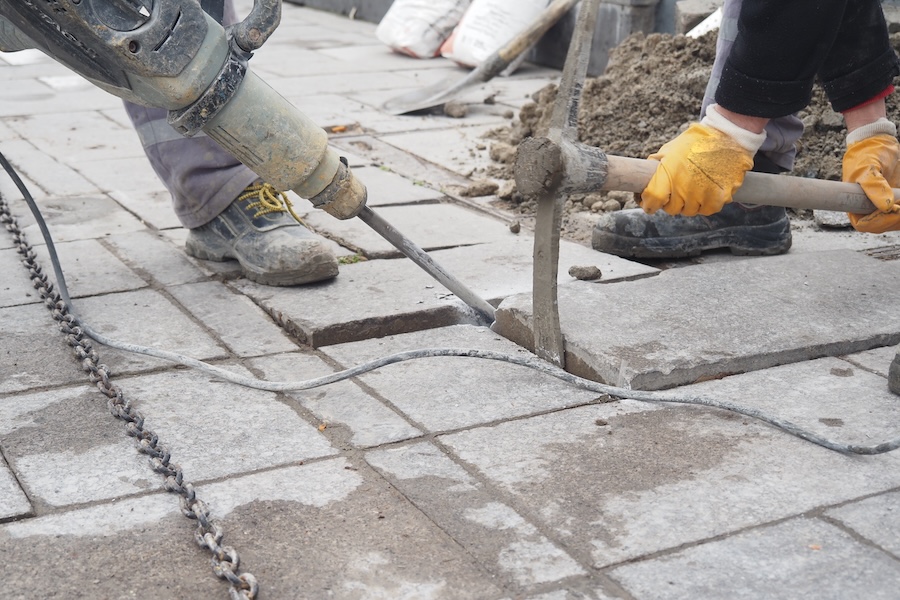
Crack injection, epoxy overlays, carbon-fiber strengthening, and structural concrete repair command higher rates and less bidding competition than new pours.
Core equipment: Injection pumps, grinders, shotcrete or dry-pack tools, and basic access equipment. Much of it fits in a service van or small trailer.
Economics: Margins frequently exceed 40%—because the work is technical, often emergency-driven, and less price-sensitive. Repeat and referral business is strong once quality is proven.
How to add it: Send one reliable crew member for manufacturer or association training. Start with simple crack injection and surface repairs on existing customer sites, then expand into structural work as skill and insurance allow.
Closing Tips
Before adding any of these revenue streams, consider these important principles:
- Start with the income stream that best matches equipment you already own or can rent short-term—avoid big capital buys until the work is proven.
- Run the new service as an add-on for at least six months before treating it as a separate division.
- Track true costs (mobilization, downtime, maintenance, and fuel) so margins stay real, not optimistic.
- Train existing crew members first—only hire once utilization justifies the extra payroll.
- Use cash flow from the first successful stream to fund the next one instead of stacking debt.
- Keep the equipment list lean—one reliable crusher, pump, or stamp set beats a yard full of underused iron.
Want to learn more about launching and scaling a concrete business? Check out Sweat Venture’s new course. The first 50 students get 30% off with the checkout code: “FIRST50”.


