





































A crack-seal or maintenance crew that loses the morning to a cold kettle—or spends the afternoon pouring scorched, stringy binder—did not fail at “working harder.” They failed at heat-up sequencing, charge size, agitation, and temperature discipline. Hot-applied asphalt sealants and mastics are forgiving within a published window and unforgiving outside it. Overheat and the material gels or loses elasticity in the crack. Underheat and it will not wet the routed walls or pump cleanly through the wand.
This guide covers charge size, agitation, temperature windows, and pour discipline so melter kettles serve the crew’s output instead of owning half the day.
Know Your Melter Before You Light It
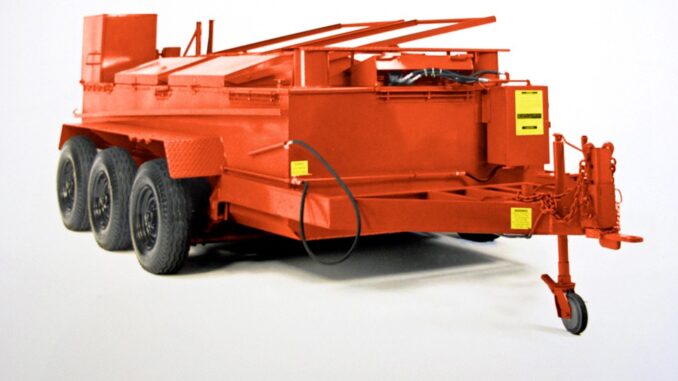
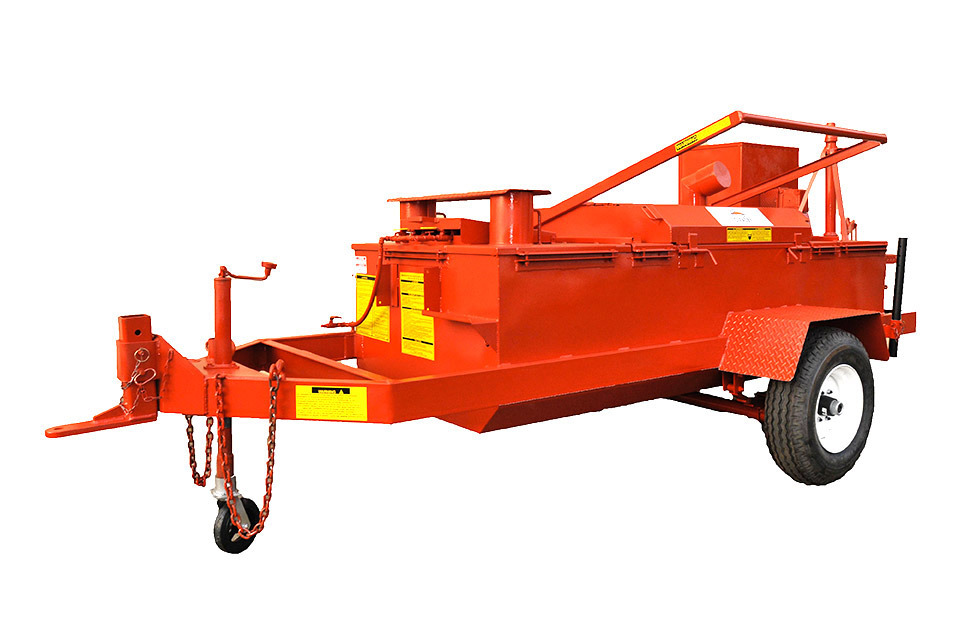
Hot-pour crack sealants and related binders are typically melted in oil-jacketed (double-boiler) melters with thermostatic control on both the heat-transfer oil and the material, plus an agitator. That architecture exists for a reason: direct flame on a thin steel wall cooks the product against the shell while the center stays cold. Jacketed heat and continuous gentle agitation keep the batch uniform.
Match kettle capacity to crew output. A tank that is chronically half-empty swings temperature wildly between charges. A tank far larger than the day’s pour sits at temperature for hours, inviting oxidative aging and gelation. Industry practice for many sealants is to melt only what you will use the same day—do not park yesterday’s leftover as “starter” unless the manufacturer explicitly allows it.
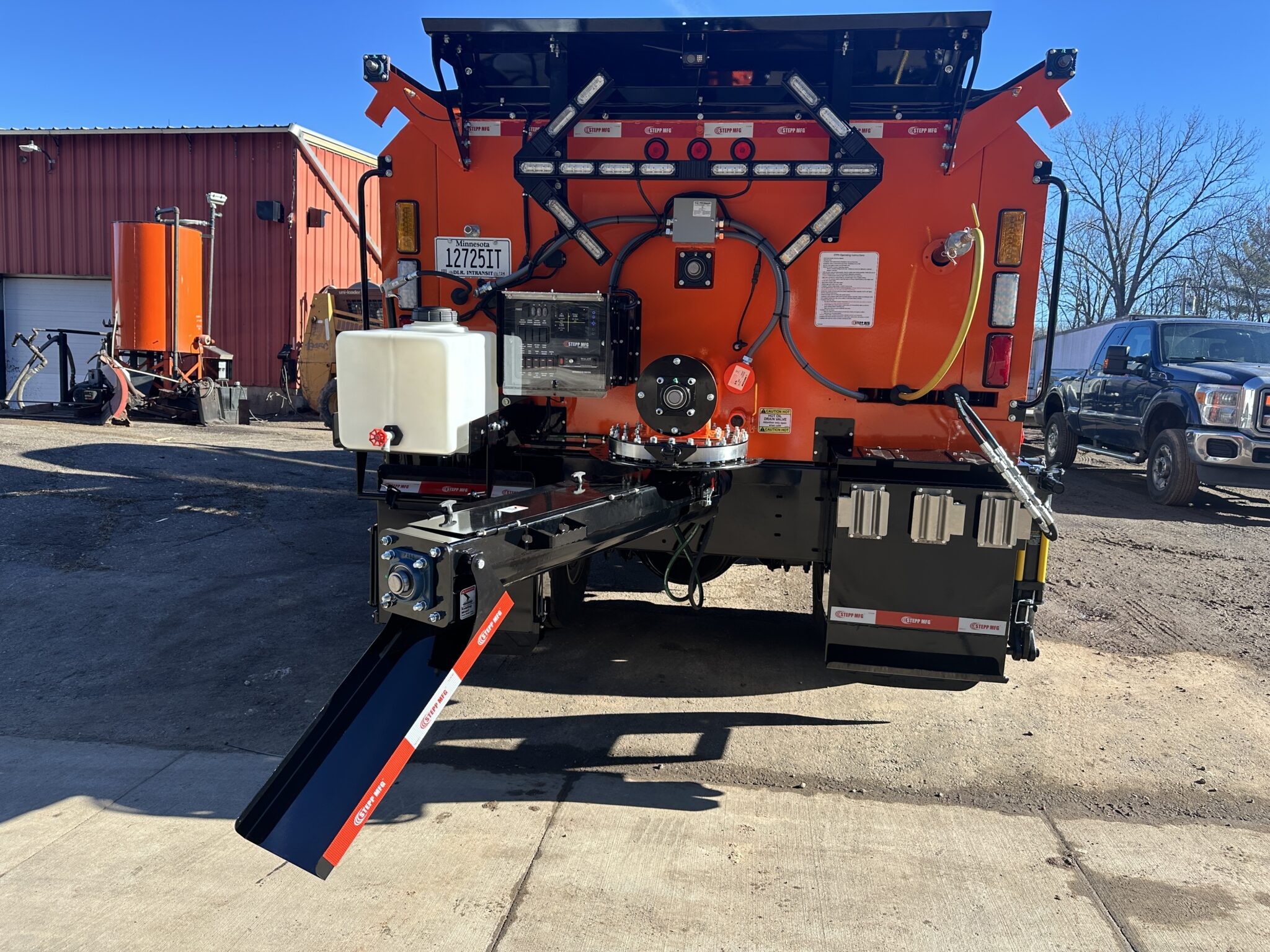
Trailer- and skid-mounted asphalt melter kettles used in roofing and road maintenance—such as units from manufacturers including Cleasby—share the same operating physics even when pump packages, burner counts, and tank sizes differ. Read the kettle manual and the sealant data sheet together; the kettle’s maximum oil temperature is not permission to ignore the material’s maximum heating temperature.
Heat-Up Sequencing That Does Not Burn the First Charge
Cold morning, full blocks, and an impatient superintendent are how you scorch binder. A disciplined sequence:
- Inspect oil level, burner, thermostats, agitator, hoses, and wand before fuel is wasted. Calibrate or spot-check kettle gauges against a reliable digital thermometer periodically—panel readings drift.
- Load with the agitator off. Insert solid blocks (and bags when the manufacturer says to melt the bag) carefully to avoid splash-back once liquid forms.
- Bring the first charge to the recommended pouring temperature before you start the day. Field studies on hot-poured sealants note that reaching installation temperature can take on the order of one to two hours depending on charge size and heating system—plan the call time accordingly instead of lighting the kettle when the routing crew finishes.
- Start agitation only after enough material has melted so the paddles move liquid, not dry blocks that jam and shear.
- Add fresh material as you use sealant, keeping the kettle reasonably full (many crews target roughly three-quarters) so temperature stays stable.
Do not chase a late start by cranking heat-transfer oil past the equipment rating or holding material above the product’s maximum heating temperature. Excessive heat is a common path to gelation in the tank and premature failure in the crack.
Temperature Windows: Pour Hot Enough, Never “A Little Extra”
Manufacturer data sheets set the rules. Typical hot-applied crack sealants specify recommended pour temperatures often in the mid-to-upper 300s °F range and a hard maximum heating temperature near 400 °F—always confirm the exact numbers for the product on the truck. Mastics and aggregate-filled repair materials may list separate application temperatures and heat-transfer oil limits; some guidance places oil temperatures in a high band (for example, hundreds of degrees Fahrenheit) while still capping the material itself. Treat those as product-specific, not interchangeable folklore.
Underheating shows up as poor adhesion, stringy discharge, and material that skins or hangs in the hose. Overheating shows up as viscosity climb, stringiness that will not recover, smoking, and gel. If the batch turns stringy and viscosity jumps, many manufacturers instruct you to remove and dispose of the material—do not “blend it down” with fresh blocks and hope.
Keep a simple log: product lot, target pour temperature, tank reading at first pour, and any long idle. Recheck after lunch, wind, or a thinned load. Ambient cold slows heat-up and cools hoses; recirculate or purge so the first foot of wand material matches the tank.
Agitation, Hoses, and Wand Care
Agitation (or recirculation on pumped systems) keeps filler and polymer distributed and equalizes temperature. Stop the agitator when adding blocks if splash is a risk, then resume once the charge is safely in. Continuous slow agitation during application is the norm for many oil-jacketed melters; running dry paddles in a nearly empty tank is how you beat air into the binder and wear the drive.
Hose and wand discipline protects both product and crew:
- Purge cool material from lines before the first production crack.
- Keep hoses insulated or circulating in cold weather so the wand does not spit cold plugs.
- Do not use a fine sealant pump for aggregate-filled mastic—wrong pump packages destroy themselves and leave you with a cold tank and a claim.
- Flush and clean at end of shift per the kettle and material instructions so tomorrow’s heat-up is not melting yesterday’s carbonized film.
Pour Discipline on the Pavement
The best kettle temperature will not save dirty, wet, or poorly prepared cracks. Routing or wire brushing, then oil-free compressed air and, when specified, a heat lance immediately before sealing, are standard adhesion steps. Substrate and air temperatures commonly need to be above about 40 °F for many hot-pour products—verify the data sheet. Overheating the pavement with a lance until it smokes is not “extra adhesion”; it can oxidize the asphalt and hurt bond.
Apply at the manufacturer’s pour temperature into clean, dry cracks at the design geometry (routed reservoir vs overband, as specified). Overfilling that creates a thick, tire-grabbing overband on a high-speed lane is a different failure mode from underfilling a deep crack. For mastics in wider repairs, follow layered placement and tooling guidance rather than dumping a cold-centered blob.
Traffic return waits on cooling and agency rules—not on the kettle being empty. Plan lane closure length so material can set without tracking.
When Kettle Size Mismatches Crew Output
Symptoms of a mismatch are predictable. A small kettle behind a large routing crew forces constant heat-up of tiny charges, inconsistent wand temperature, and idle laborers. An oversized kettle for a two-person patch crew sits at high temperature all day for a few gallons of pour, aging the binder and wasting fuel. Size the melter to sustained gallons per hour, not to the biggest unit on the lot. Pumping kettles versus pour-pot workflows change labor, but they do not change the temperature physics.
If the crew routinely finishes heat-up after lunch, either start earlier, pre-stage a second unit, or cut the morning routing length until the melter is honest. Schedule is a temperature problem as often as it is a staffing problem.
Final Thoughts
Running an asphalt melter kettle without scorching binder or losing half a day is mostly sequencing: right charge size, jacketed heat within the product window, agitation that starts after melt, verified temperatures, and clean cracks ready when the wand is hot. Scorched, gelled, or underheated material is rarely “bad luck”—it is a logable departure from the data sheet. Match kettle capacity to crew output, treat maximum heating temperature as a hard stop, and keep hoses and wands as warm and clean as the tank. Do that, and heat-up becomes a planned first shift task instead of the reason the crack truck went home early.