









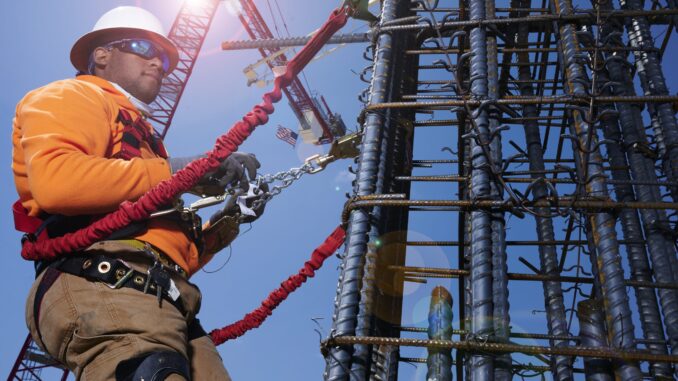
Fall arrest gear only works when it is worn correctly—and many construction crews treat harnesses like a compliance prop instead of a fitted piece of PPE. A chest strap riding on the abdomen, leg straps hanging loose, or a dorsal D-ring sitting too low turns a certified harness into theater the first time a worker actually needs it. This guide focuses on inspection, fit, and on-site habits that get harnesses worn right, not on clearance-matching math already covered elsewhere.
Walk through harness anatomy crews must recognize before climbing, the fit adjustments that stop strap slip, how to choose connectors for the task without turning every job into a catalog debate, and the inspection tags and training habits that raise voluntary compliance. Keep manufacturer instructions and your written fall-protection plan in the same conversation; neither replaces a two-minute buddy check before the ascent.
Harness Anatomy That Crews Must Recognize Before Climbing
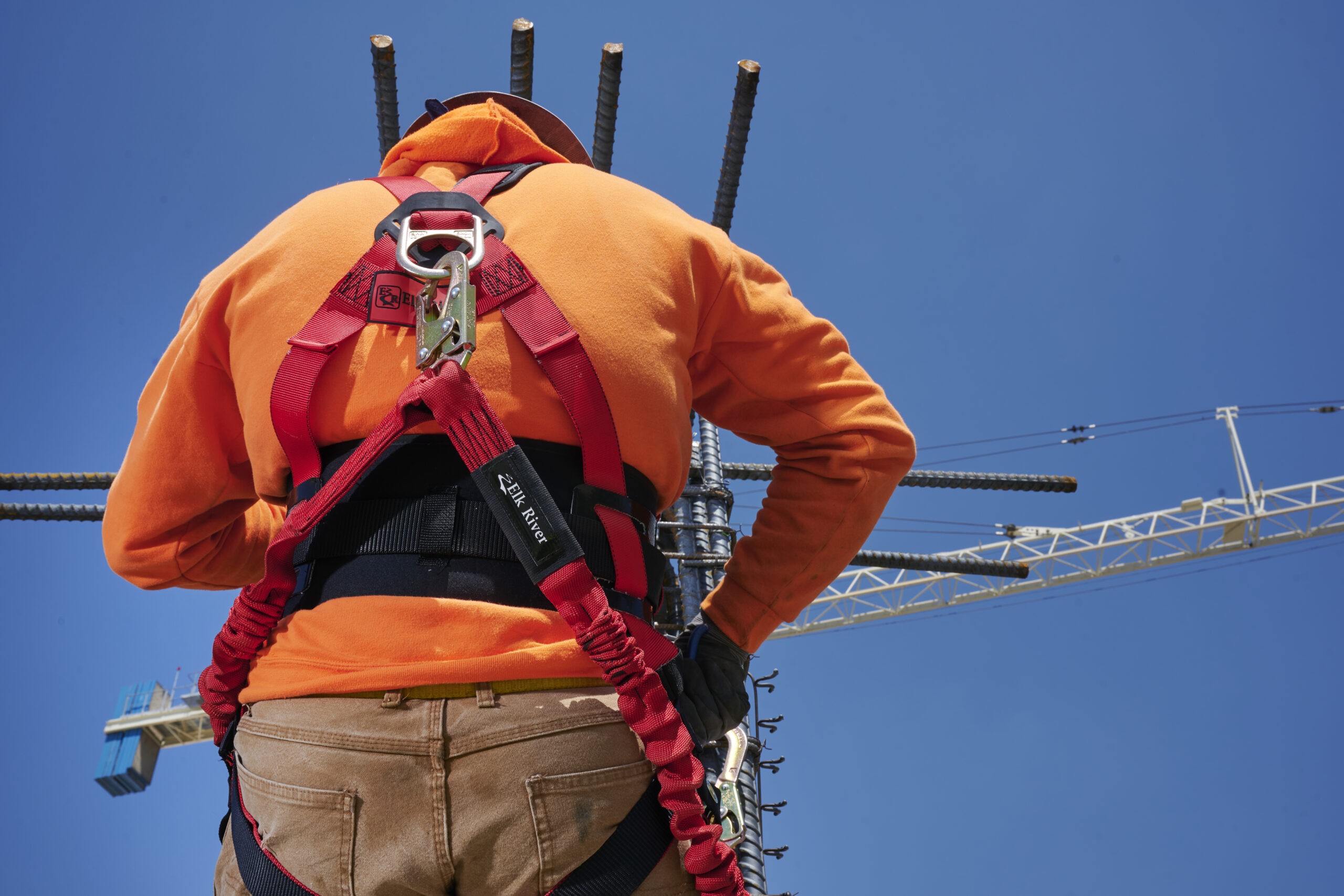
Before anyone clips off, the crew should be able to name the parts they will touch: dorsal and optional side or sternal D-rings, shoulder and leg straps, chest strap, sub-pelvic support, keepers, and the label pack. If a worker cannot find the dorsal D-ring by feel with gloves on, they are not ready to dress for height. Anatomy literacy is what makes the later fit and inspection steps possible.
Different harness classes and attachment points exist for a reason. Positioning D-rings are not automatic fall-arrest attachment points just because they are metal. Teach the permitted connection points for the harness model on site, and keep unauthorized rings taped or briefed out of the habit loop.
Hardware condition is part of anatomy recognition. Bent gates, missing keepers, and frayed webbing at adjustment points are not “wear and tear to watch”—they are reasons to remove the harness from service before the climb.
Fit Adjustments That Stop Chest and Leg Strap Slip
Fit is where voluntary compliance lives or dies. Chest straps that slide to the belly and leg straps that leave a fist of slack encourage workers to “loosen for comfort” until the harness cannot do its job. Adjust so the sub-pelvic strap sits correctly, leg straps are snug without cutting circulation, and the chest strap rests at the designed height on the sternum—not as a necklace and not as a belt.
Have workers don harnesses on the ground with a buddy check: dorsal D-ring centered between the shoulder blades, straps flat without twists, excess webbing stowed in keepers, and all adjusters secured. Re-check after climbing into a basket or onto a platform—movement and clothing layers change fit. Cold-weather bulk is a common reason a harness that fit in the trailer no longer fits on the steel.
Sizing matters. One “XL for everyone” bin produces the same failures as no harnesses at all. Stock sizes that match your crew, and replace gear that only fits if someone skips a strap.
Choosing Lanyards, SRLs, and Anchors for the Task
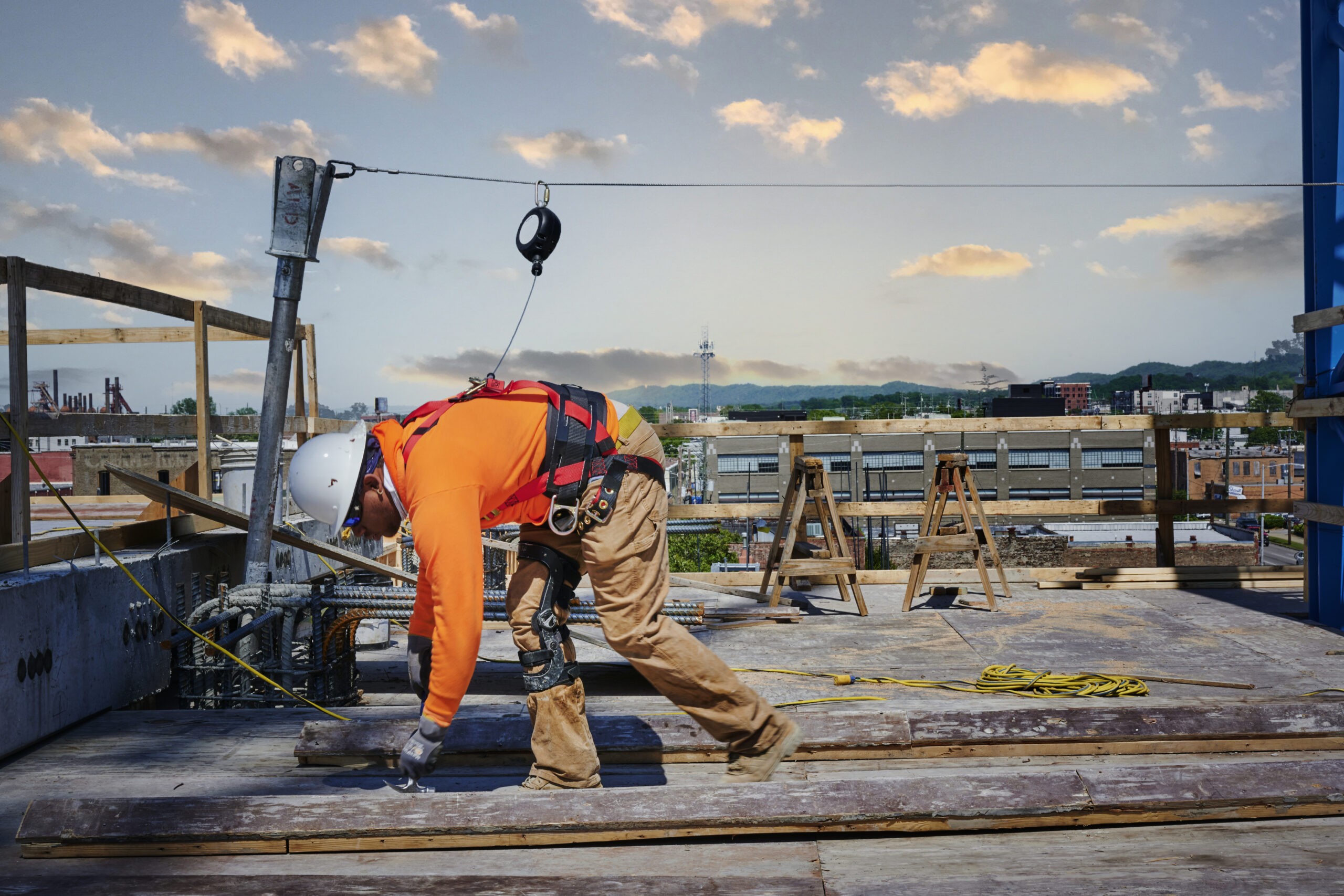
Connector choice should follow the task, the anchorage, and your written plan—not whatever is left on the truck. Energy-absorbing lanyards, self-retracting lifelines, and positioning devices each assume different free-fall and anchorage conditions. Match the connector to the manufacturer’s instructions for that harness and to the anchorage your competent person has identified. Do not invent hybrids with non-compatible hardware.
Keep the day’s dominant tasks in mind: steel erection, rebar, aerial lifts, and roof work do not share one default lanyard length and lock-off habit. Manufacturers of full-body harnesses, lanyards, and related gear—including Elk River, Inc.—build product families so distributors can kit for those tasks; your job is to pick the kit that matches today’s exposure and to keep incompatible leftovers out of the gang box.
Anchors deserve the same scrutiny as the harness. A rated anchorage connector on sound structure beats a creative wrap on a handrail every time. If the anchor is temporary, inspect it as carefully as the webbing.
Inspection Tags, Retirement Criteria, and Documentation
Inspection is a loop: pre-use by the worker, periodic by a competent person, and retirement when criteria say so. Teach crews to look for cuts, abrasion, UV fading, chemical damage, deformed hardware, illegible labels, and any impact indicator that has deployed. A harness that caught a fall is done—even if it “looks fine.”
Tags and logs exist so the next shift knows what was checked. If your site uses color codes or dated inspection markers, keep them current. Missing labels are not a paperwork inconvenience; they remove the ability to prove the product and its ratings.
Store harnesses clean, dry, and out of sunlight and chemical splash. A gear bag beaten under a truck seat for six months is an inspection failure waiting to be discovered at height.
Training Habits That Raise Voluntary Compliance on Site
Training raises compliance when it is short, repeated, and tied to real tasks—not when it is a once-a-year slideshow. Practice donning and buddy checks at the start of shifts that involve height. Empower anyone to stop a climb for a twisted strap or wrong D-ring without drama. Supervisors who ignore loose leg straps teach the crew that fit is optional.
Make correct gear the easy gear: staged by size near the work, cleaned when dirty, and replaced when retired. When the comfortable wrong harness is easier to grab than the right one, compliance collapses. Keep competent persons visible during the first weeks of a new crew mix so habits form before shortcuts do.
Celebrate the boring wins—buddy checks done, tags current, nobody “just this once” on a sketchy anchor. Fall protection culture is built in those small repetitions.
Final Thoughts
Harnesses protect people only when anatomy is understood, fit is snug and correct, connectors match the task and anchorage, and inspection plus training make the right habits easier than the wrong ones. Treat donning and buddy checks as part of the work—not as a gate you rush through—and fall arrest gear stops being a prop and starts being PPE that crews will actually wear correctly.