



































Half the fight on a remote patch day is not the hole—it is the clock between the plant and the shovel. Hot mix that left the silo workable can turn stiff, segregated, or unusable before the crew finishes a municipal loop or a string of utility cuts. When the plant is miles away, temperature control and crew timing become the production plan, not a nice-to-have.
This guide covers how to keep mix workable all day: what cools it, what a hot box actually does, reheat limits that protect the binder, and field habits that stop cold, short-lived patches.
Why Mix Dies on the Haul
Hot-mix asphalt loses heat the moment it leaves the plant. Thin loads in open dump beds cool fastest. Wind, rain, long idle time at the first hole, and repeated tarp openings accelerate the drop. Once the mix falls below the workable window for that mix design, crews face:
- Stiff material that will not densify under a plate or roller
- Poor edge bond at saw cuts and utility boxes
- Surface that ravel or push under early traffic
- Wasted tons that become cold dump or another plant run
Plant-to-job distance is not the only variable. Stop-and-go patch routes, lunch breaks with the bed open, and “one more hole” after the load has already cooled are just as costly.
Target Temperatures vs Ambient Reality
Follow the mix design and agency specs for laydown and compaction temperatures—not a single tribal number. As a planning frame (confirm against your mix and local specs):
- Plant discharge is typically well above compaction range so the haul has margin.
- Arrival / working range must still allow placement and densification before the mix stiffens.
- Ambient, wind, and bed depth decide how fast you burn that margin. A 40°F morning with a stiff breeze can cut working time in half compared with a calm 70°F afternoon.
Carry an infrared thermometer or probe and check the load at arrival and again mid-route. If you are guessing, you are gambling with the last holes of the day.
What a Hot Box Changes on Patch Days
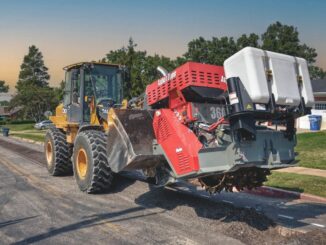
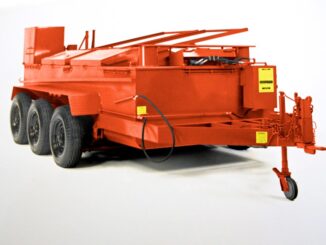
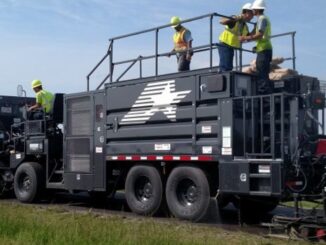
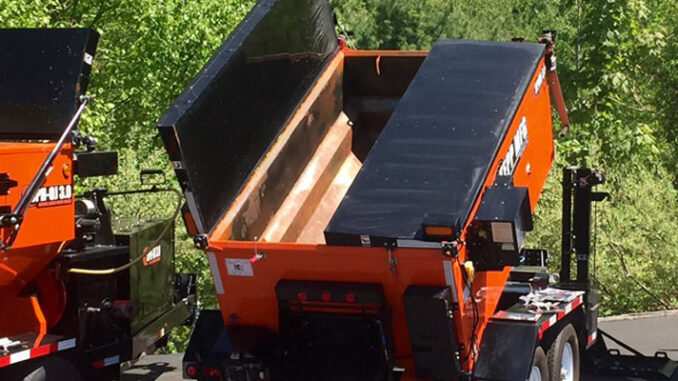
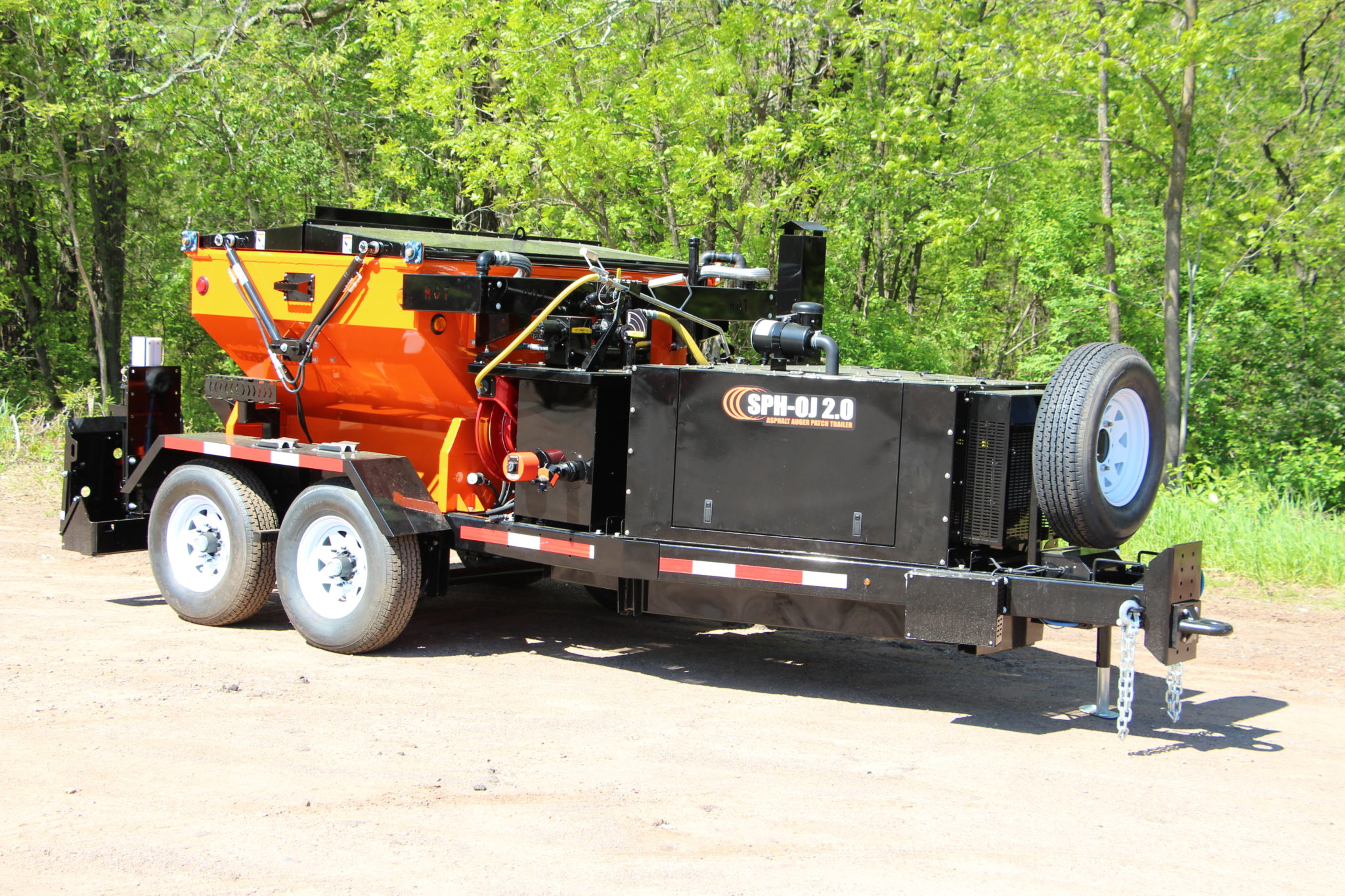
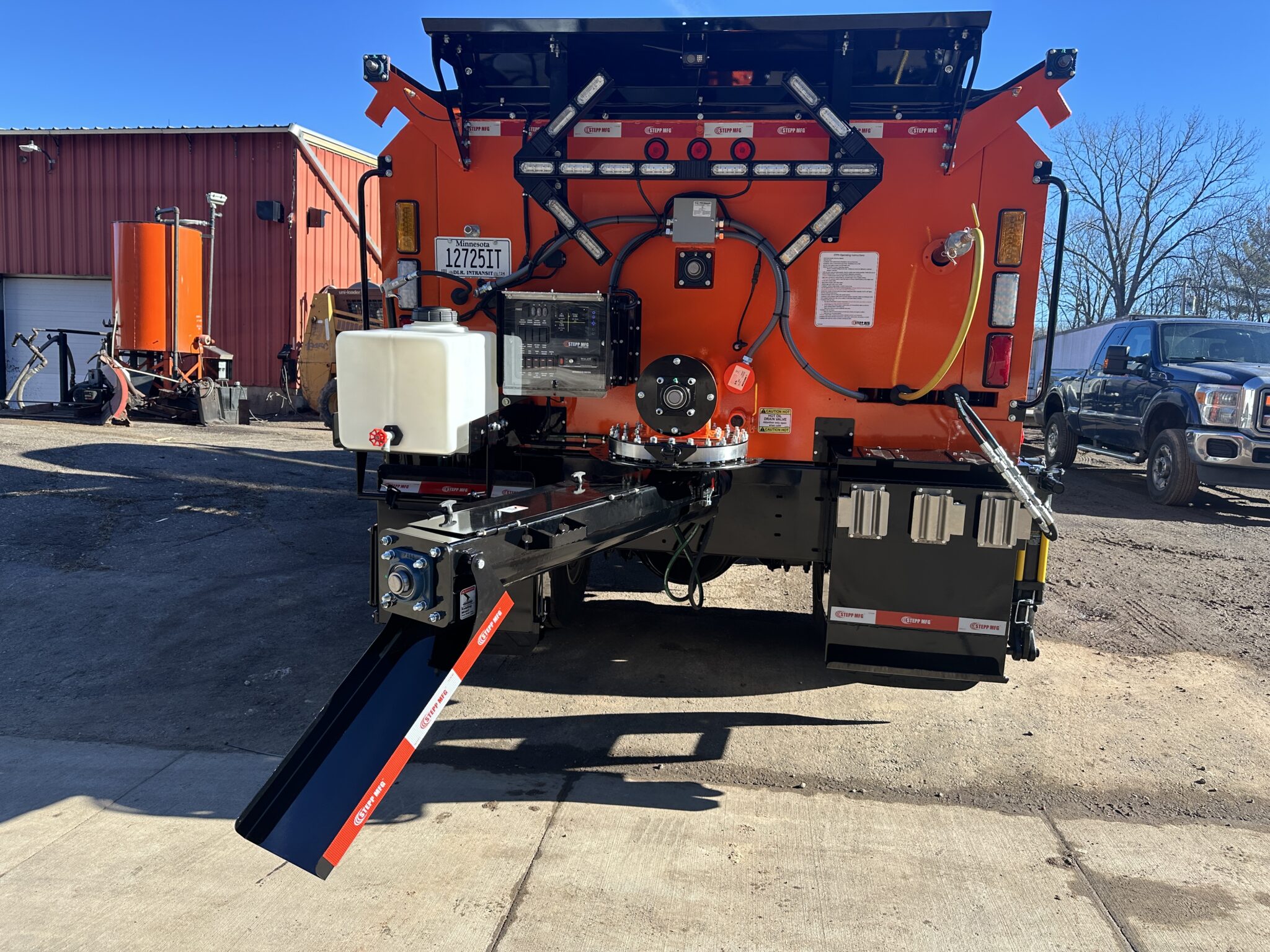
An asphalt hot box (premix heater) is insulated storage with controlled heat so mix stays in a workable window for hours—and so cold or leftover mix can be brought back carefully when the process allows. Trailer-mounted, truck-mounted, slip-in, dump-style, and auger-discharge configurations all serve the same production goal: stop babysitting a cooling dump bed while the crew jumps from cut to cut.
Municipal and contractor crews that run oil-jacketed hot boxes from builders like Stepp Manufacturing treat mix temperature as a process control—not a hope-and-shovel exercise.
Practical advantages on distant-plant days:
- Load once (or fewer times) and work a full route
- Keep shovel-ready material at the hole instead of racing back to the yard
- Support reclaim of leftover hot mix or carefully warmed cold patch when the unit and mix allow
- Free the dump truck for other hauls instead of parking it as a cooling silo
Match capacity to the day’s tonnage and hole count. Undersized boxes force mid-day plant runs; oversized boxes invite overheating leftover piles if controls are ignored.
Reheat Limits: Warm It, Don’t Cook It
Heat restores workability only within binder limits. Overheating ages asphalt, drives off volatiles, and can make mix brittle or smoke—then the patch fails early even if it looked soft going in.
Field discipline:
- Know the mix. Virgin hot mix, polymer-modified mixes, and cold patch products have different heat ceilings. Use the supplier’s guidance and the heater’s automatic temperature controls.
- Favor even heat. Oil-jacketed and well-designed air-jacket systems reduce hot spots versus open flame on a thin pile. Stir or turn material per the equipment manual so the center is not cold while the edges scorch.
- Do not “crank it” to rush. Extra burner time is not a substitute for loading at the right temperature or sizing the day’s work.
- Watch smoke, odor, and blue haze. Those are stop signs—reduce setpoint, circulate, and verify the thermostat and burner.
- Reclaim with a plan. Overnight heat or morning reclaim beats dumping yesterday’s cold cake into a hole. If the mix was contaminated with dirt, water, or trash, do not reclaim it into a finished patch.
If the agency or mix supplier prohibits reclaim for that product, respect it. Process shortcuts show up as callbacks.
Crew Timing When the Plant Is Far
Temperature tools only help if the day’s sequence matches them.
Before the plant run
- Confirm plant open hours, mix type, and estimated wait time.
- Stage the hot box preheated so load-in does not sit in a cold hopper.
- Map the route: cluster nearby holes, put critical cuts early while mix is hottest, leave easy fill-ins for later.
- Assign roles—traffic, saw/cut prep, shovel/auger, compaction—so the box is not idle while everyone fights cones.
At the hole
- Prep first: saw or mill clean edges, remove failed material, dry and clean the cavity, apply tack where required.
- Pull only what you will place in the next few minutes; keep the hopper closed between shovels.
- Place in lifts suited to the compactors on hand; densify while the mix is still workable.
- Protect the edge bond—cold walls and dirty cuts are why “hot” patches still fail.
Through the day
- Recheck mix temperature after long moves or lunch.
- Avoid opening the top door for conversation; every open minute dumps heat.
- If the load is trending cold before the route is done, either reheat within limits, return for a top-off, or cut the list—do not force cold mix into a permanent repair.
End of shift
- Decide reclaim vs discard with eyes open.
- Clean shovel platforms and discharge areas so tomorrow’s first load is not contaminated.
- Log plant time, ambient, and any temperature problems so the next remote day is planned, not improvised.
Compaction and Prep Still Decide Longevity
A hot box keeps material alive; it does not fix a dirty, wet, or undersawed hole. Patches that last share the same basics:
- Sound, roughly vertical edges (saw cut where required)
- Dry, clean cavity and compatible tack
- Mix still in compaction range
- Adequate density with plate or roller matched to lift thickness
- Flush finish that sheds water instead of ponding at the edge
Utility cuts and wheel-path potholes punish weak edges and cold mix hardest. Temperature control buys you the window; prep and compaction spend it wisely.
A Simple All-Day Checklist
- Confirm mix design temps and any reclaim rules.
- Preheat the hot box; verify controls before the plant.
- Load with a plan for route order and tonnage.
- Prep holes before you pull mix.
- Check temperature at arrival and mid-day.
- Reheat only within limits—never cook the binder.
- Compact while workable; close the day with a reclaim/discard decision.
Bottom Line
When the plant is miles away, workable mix is a managed resource. Insulated heat, honest temperature checks, disciplined reclaim, and a crew sequence built around the route keep patches dense and bonded instead of cold and temporary. Treat the hot box as part of the quality plan—same as the saw, the tack, and the plate—and remote patch days stop being a race against a cooling dump bed.