




Skid steers and compact track loaders (CTLs) look “light” next to excavators—until you scrape a belly pan on a steep ramp, overload a tongue, or discover the deck is too narrow for the tracks once the bucket is still attached. Choosing a tag trailer for these machines is a package decision: deck length and width, ramp or beavertail angle, GVWR versus real tongue weight, and tie-down points that line up with the machine’s approved anchors. This guide is a contractor-side checklist for that package—not a tour of multi-axle RGNs or heavy lowboys.
Get approach angle and usable payload right before you argue paint color. The wrong ramp geometry damages undercarriage; the wrong GVWR math damages axles, tires, and inspection stickers.
Start With the Machine Envelope, Not the Trailer Photo
Write the load down before you shop decks:
- Shipping weight with the attachment you actually leave on (bucket, forks, grapple), plus residual fuel and any counterweights that stay installed.
- Width over tires or tracks—CTLs are often wider than the skid steer they replace; measure the machine the way it rolls onto the trailer.
- Length and approach geometry—wheelbase or track length, bucket reach forward, and ground clearance under the belly and rear door.
- Self-loading ability—will the operator drive on under power, or will you need a winch assist on slick wood?
Those four answers usually eliminate half the catalog before brand preference enters the conversation.
Deck Length, Width, and Where the Mass Should Sit
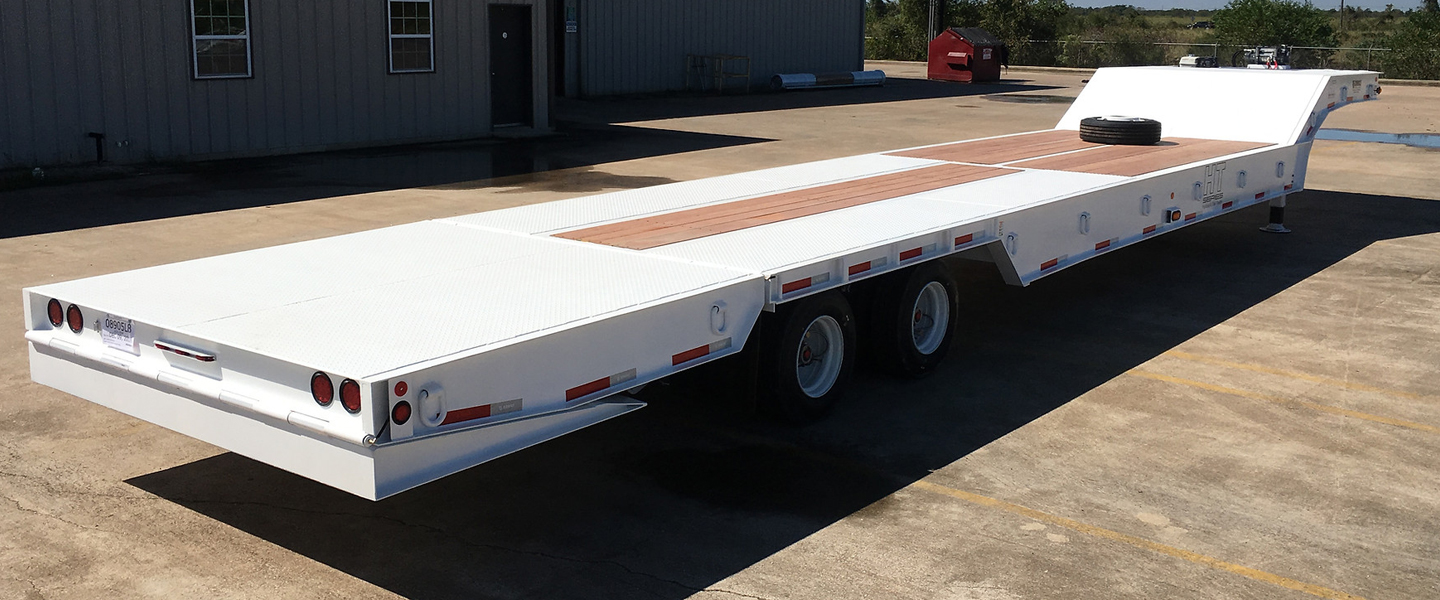
Deck length has to clear the machine plus attachments without hanging a bucket over the rear in a way that unloads the tongue or overloads the trailer axles. Too short and you climb the gate or sit on the beavertail with the CG too far aft. Too long and you buy empty deck that still needs securement discipline.
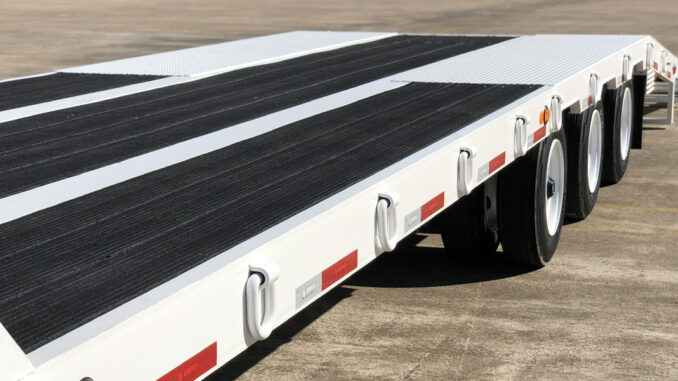
Width matters as much as length for CTLs. A deck that looked fine for a narrow skid can leave track edges hanging or force the operator to feather onto a beavertail until the undercarriage kisses steel. Between-the-fender (dump-style) decks are a different product class; most skid and CTL tags for these machines are deck-over or full-width designs that keep the loading path wide. Confirm inside clear width against the widest track or tire set you run—not the brochure machine without the mud-packed tracks you actually own.
Position the machine so axle groups and tongue see the weight the hitch and axles were rated for. A nose-high load that starves the trailer axles can make the tow vehicle light in the rear and nervous in crosswinds; a rear-biased load can overload trailer axles while the coupler looks “fine” in the yard. Mark a load line once you find a balance that scales clean—and teach every operator to use it.
Ramp Angle, Beavertails, and Scraped Undercarriage
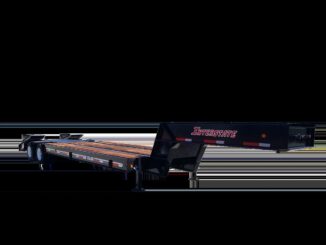
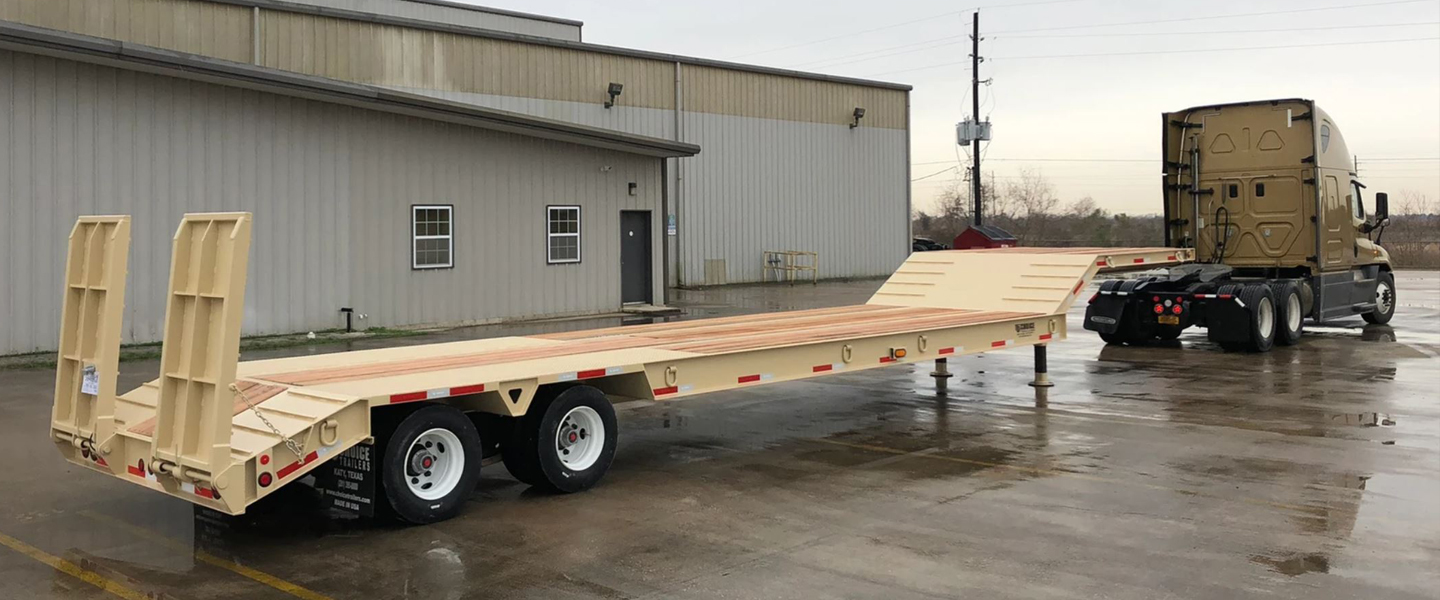
Approach angle is where skid steers and CTLs get hurt. Steep, short ramps force the machine to crest hard: front wheels or tracks climb while the belly or rear still hangs, then the opposite end slams as the CG passes the hinge line. Longer ramps or a beavertail (dovetail) that lowers the break-over angle reduce that scrape risk—especially on CTLs with long track frames and low belly pans.
Wood-deck beavertails help traction when dry and become skating rinks when wet or iced; operators should have a plan for traction aids and spotters instead of “more throttle.” Stand-up ramps that fold vertically need locking pins that actually get pinned; a ramp that walks during loading is how machines go sideways. Spring-assist, air, or hydraulic ramp packages reduce the back injuries that come from manhandling heavy ramps twice a day—worth the money when the same crew loads every morning.
If your machine regularly scrapes despite “careful” operators, the trailer geometry is wrong for that unit. Change ramp length/angle or deck height before you blame the operator for physics.
GVWR, Tongue Weight, and the Tow Vehicle You Already Own
GVWR is the maximum loaded weight of the trailer. Usable payload is GVWR minus empty trailer weight. Skid steers and CTLs with heavy attachments quietly erase payload margins that looked fine when someone weighed a bare machine three years ago. Weigh what you haul, or use manufacturer shipping weights with attachments decided—then leave margin for mud packed in tracks and a full fuel tank.
Tongue weight on bumper-pull tags typically needs to sit in a stable share of total trailer weight so the tow vehicle steers and brakes predictably; too little tongue and the trailer can sway, too much and you overload the truck’s rear axle and hitch. Gooseneck tags change that math by putting more load into the truck bed. Match hitch class, receiver or gooseneck rating, and truck GVWR/GCWR to the loaded combination—not to the empty trailer you towed home from the dealer.
Brakes matter at these weights. Electric or hydraulic trailer brakes sized for the GVWR, with a controller the driver knows how to adjust, are part of the package. Lights, breakaway, and safety chains are inspection items, not afterthoughts.
Beavertail length and main-deck length should be called out separately on the order. A long beavertail that looks easy in a photo can steal main-deck real estate you needed for a CTL plus bucket. Ask for load-angle degrees or ramp length plus deck height in writing and compare them to a tape-and-block test in the yard before the truck is due on a customer site.
Spec for the hardest weekly combination you actually run. A trailer that is legal for one skid steer on a short move may be the wrong tool for a two-machine urban rotation all week—loading frequency multiplies ramp abuse, and tire heat on continuous highway runs shows up on under-rated axles first.
D-Rings, Rub Rails, and Securement That Survives Highway Miles
Tie-down points only help if they line up with the machine’s approved anchor locations and the working-load limit of the chains or straps you use. Sparse D-rings force awkward angles that loosen under bounce. Rub rails and stake pockets help, but they are not a substitute for rated D-rings at the corners where skid and CTL frames want to be chained.
Use the machine manufacturer’s tie-down guidance. Chain through lift points that were never meant for transport direction loads is how ears bend and warranties end. Four-point securement with proper binders, checked after the first miles when the load settles, is the minimum professional habit—not a suggestion for “big jobs only.”
Equipment trailer builders that publish tag and deck-over packages—including manufacturers such as Choice Trailer—give contractors real choices in deck length, ramp style, and capacity, but the machine envelope and tow vehicle still decide which package is honest.
A Practical Selection Checklist
Before you buy or rent a tag for skid steers and CTLs, confirm:
- Machine weight with the attachment that stays on; usable trailer payload after tare.
- Deck width versus track/tire width; deck length versus machine plus bucket without reckless overhang.
- Ramp or beavertail angle that clears belly and rear without scrape on your actual machines.
- Hitch type and tongue/gooseneck load matched to the tow truck’s ratings.
- D-ring count and placement matched to approved machine anchors; chain/strap WLL documented.
- Brake, lighting, and breakaway equipment appropriate for GVWR and your routes.
Final Thoughts
A tag trailer for skid steers and compact track loaders succeeds when deck geometry, ramp angle, and legal payload match the machines you move every week. Spec the envelope and the tow vehicle first, then pick ramps and tie-downs that protect undercarriage and keep the load tight for highway miles. The right package loads clean, scales clean, and leaves the belly pan paint where it belongs—on the machine, not on the ramp hinge.