




Spec’ing a dump trailer for daily aggregate and spoils work is less about buying “the biggest box” and more about keeping axle groups legal, gates intact, and cycle times honest. Overload the axles and you inherit scale tickets, tire heat, and bent frames. Abuse the gate with the wrong material or dump angle and you inherit bent hinges, stuck latches, and half-loads that will not clear. This guide is a contractor-side checklist for matching dump capacity to real material density—not a brochure tour of dump styles.
The focus here is end-dump and box dump trailers used for gravel, sand, millings, and excavated spoils on routine haul loops. It is not a side-dump versus end-dump comparison. Get struck capacity, legal axle weight, gate style, and tarp discipline right before you argue brand preference.
Struck Capacity Is Not the Same as Legal Payload
Trailer marketing often leads with cubic yards. Axles and scales care about pounds. Struck capacity is the volume of the box filled level with the side rails. Heaped capacity adds the cone above the rails. Aggregates and wet spoils punish anyone who treats those two numbers as interchangeable.
Typical construction aggregates often land near roughly 100–110 lb per cubic foot when dense-graded and moist; loose dry sand can sit lighter, and wet clay spoils can sit heavier. Convert yards to pounds before you fall in love with a 16-foot box. A trailer that “takes 14 yards” can still overload a tandem group once you subtract empty trailer weight (tare) from GVWR and compare the remainder to the material ticket.
Write the payload math the same way every time: GVWR minus tare equals maximum legal payload for that trailer configuration—then compare that number to the densest material you haul weekly, not the lightest demo debris from last spring. If your densest weekly load exceeds usable payload, you need a higher rating, a shorter fill, or a different haul plan—not a taller heap.
Axle Groups, Tongue Weight, and Scale Reality
On U.S. Interstate routes, federal axle limits commonly cited for planning are 20,000 lb on a single axle and 34,000 lb on a tandem axle group, with the Bridge Formula governing other spacings and combinations. States and local roads can be tighter. A dump trailer’s axle sticker is not a free pass through every scale house if tongue weight, hitch type, or truck axle loading pushes a group over the line.
Practical checks before you order:
- Match axle rating to the densest routine load, not the empty-looking millings day.
- Account for tongue or gooseneck load on the tow vehicle—dump boxes that sit far forward change how weight shares between truck and trailer groups.
- Leave margin for wet weather. Spoils gain water weight after rain; a “legal” dry fill can become an overweight after a storm.
If you cannot sketch where the loaded mass sits over the trailer axles and the tow vehicle, you are not ready to lock a GVWR. Empty weight eats payload: heavier frames and higher side walls raise durability—and lower what you can legally put in the box.
Gate Style, Dump Angle, and What Beats Up Hardware
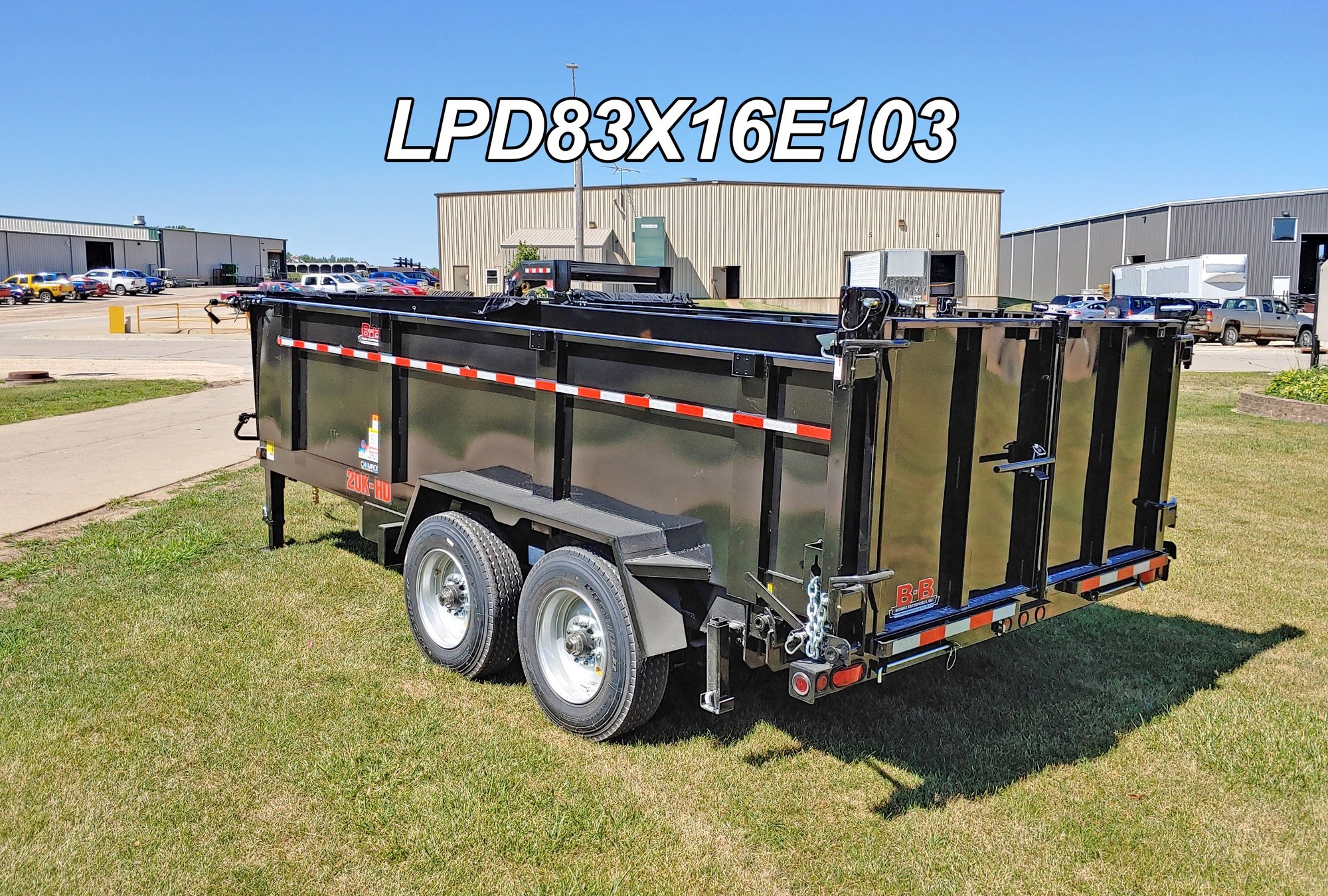
Gates fail from abuse more often than from mystery metallurgy. Combination gates (barn-door plus high-lift or spreader functions) earn their keep when crews switch between free-flowing sand and sticky spoils—but only if operators use the mode that matches the material. Forcing wet clay through a narrow spreader opening, or slamming a high-lift gate into frozen millings, is how hinges and latch bars get short careers.
Watch dump angle and pad conditions. Raising the box on soft, crowned, or side-sloped ground concentrates load on one side of the suspension and can twist gate hardware when the load hangs up and then releases all at once. Firm, level pads and a patient raise protect both the hoist and the gate. Telescopic or scissors hoists should be maintained to the manufacturer’s cycle and grease intervals; a slow, binding hoist invites operators to “help” the load with aggressive gate slamming.
Side height is a cycle-time choice as much as a volume choice. Taller sides hold more yards—and raise the center of gravity, increase wind load when empty, and make hand-finishing or tarp work harder. Many contractor dump boxes in the mid-GVWR class run roughly 24–36 inch sides; pick height for the material you actually retain, not for a yardage brag that forces illegal heaps.
Tarps, Load Containment, and Highway Discipline
Loose aggregate and dry spoils do not stay in the box because the gate looked closed in the yard. Mesh or solid tarp systems exist to keep fines on the trailer and out of the following lane. Spec a tarp you will actually deploy every loaded trip—electric or spring-assist options matter when crews skip a hard-to-pull mesh at the second stop of the morning.
Containment is also a gate and seal problem. Worn gate seals, bent latch pins, and warped barn doors leak a trail of rock that becomes a warranty argument and a road-debris claim. Inspect latch engagement and hinge wear on the same interval you check brakes and lights. A dump trailer that “almost” closes is already beating itself up.
Pup Versus Single: Cycle Time Versus Complexity
A single dump trailer keeps the hitch simple and the backing loop short. A pup (trailer behind a dump truck) can raise daily tonnage on longer hauls when the truck box and pup share the work—but it adds coupling time, another set of brakes and lights, and a longer combination to stage on tight pads. Choose the pup when route distance and scale limits make the extra box pay; stay single when the job is short-haul, urban, or constantly re-staged.
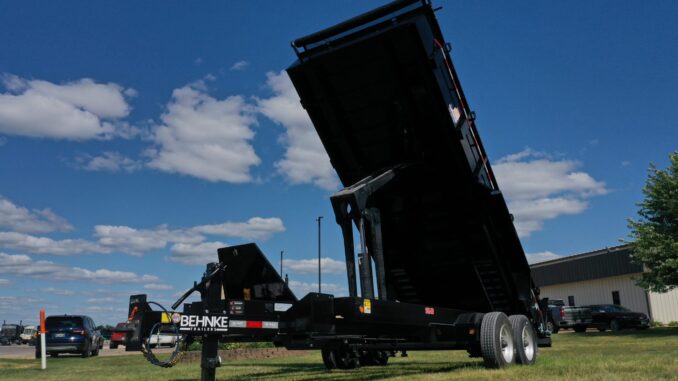
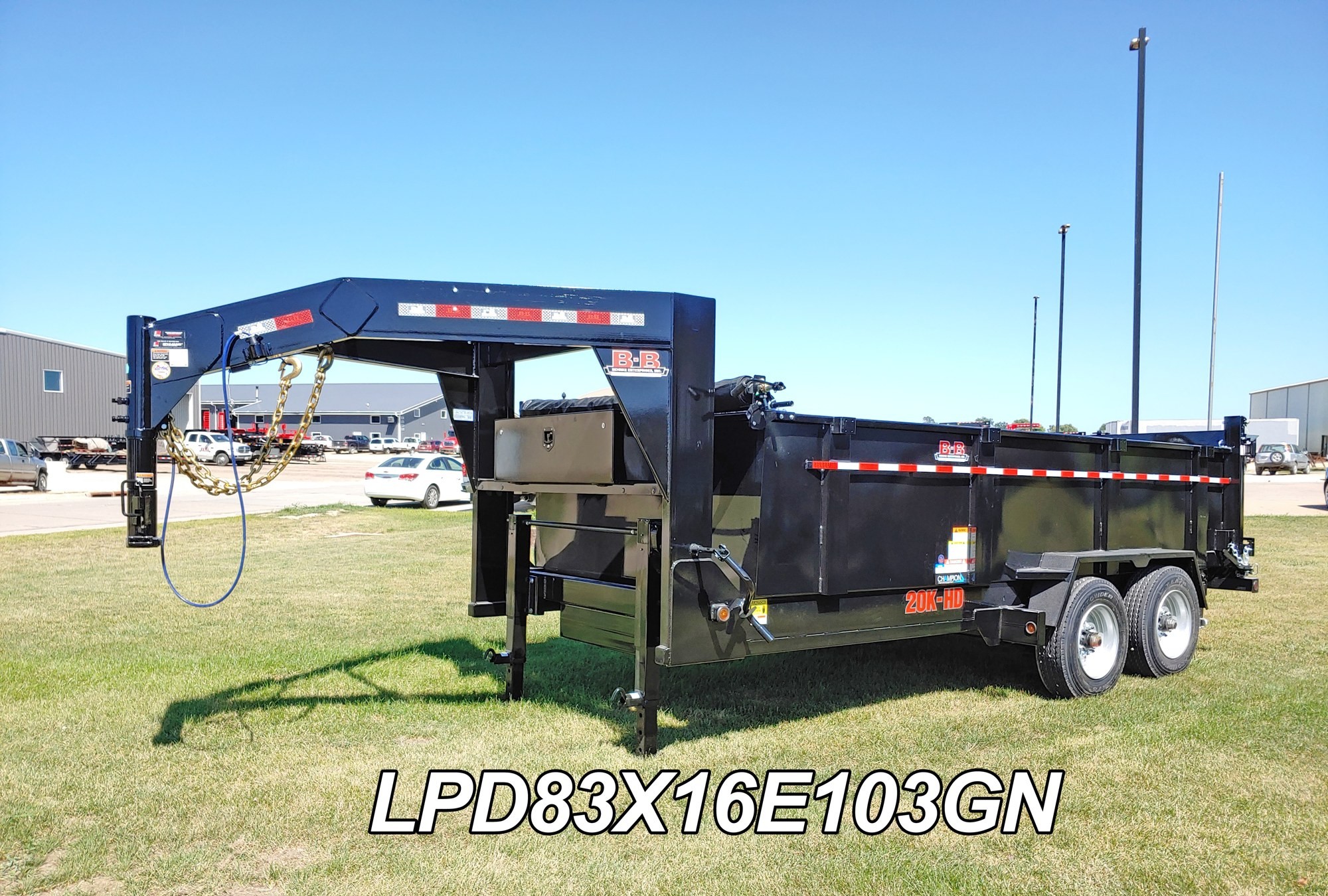
Gooseneck versus bumper-pull (pintle or coupler) changes how weight transfers to the tow vehicle and how the trailer tracks. Goosenecks often stabilize heavier boxes; bumper-pull setups can be quicker to drop and swap if the truck fleet is mixed. Neither hitch forgives an overloaded axle group. Manufacturers of contractor dump trailers—including Behnke Enterprises—publish GVWR, box length, and gate options so buyers can match density and cycle needs instead of guessing from side height alone.
A Spec Checklist Before You Sign
Before you lock a dump trailer for aggregate and spoils, confirm:
- Densest routine material weight per cubic yard (or per ton tickets) versus struck capacity and usable payload after tare.
- GVWR, axle ratings, and expected tongue/gooseneck share onto the tow vehicle under that densest load.
- Gate style matched to materials you actually dump—and a pad plan that keeps dump angle honest.
- Side height chosen for retention and stability, not maximum heap photos.
- Tarp system the crew will use every loaded mile; spare latch/seal parts in the shop.
- Single versus pup (and hitch type) chosen for route length and staging, not habit.
Final Thoughts
A dump trailer earns its keep when legal axle weight, gate hardware, and cycle time stay aligned with the material you haul every week. Spec from density and scales first, then pick box length, side height, gate, and tarp as tools that protect the trailer instead of fighting it. Keep heaps honest, pads level, and gates operated as designed—and the trailer hauls aggregate and spoils for years instead of spending its life at the weld shop.


