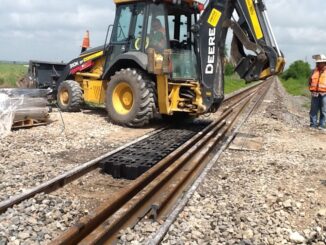












Temporary access roads fail in mud long before they fail on a spreadsheet. The wrong mat stack ruts, hinges at joints, sheds bolts, or becomes a disposable one-job purchase that should have been a reusable rental. Timber, laminated, and composite mats all move machines across soft ground—but they do not solve the same problem at the same cost, weight, or reuse cycle.
This guide is about choosing between timber, laminated, and composite mats for temporary access roads: a contractor decision workflow driven by bearing demand, soil and water, haul traffic, reuse, and logistics. It is not a crawler-walk layout sequence for crane picks, and it is not outrigger-pad sizing math. Those are adjacent problems with different governing details.
Start With the Road Duty, Not the Brochure Species
Before you price mats, write the access-road duty in plain terms:
- Who rolls—highway trucks, dual-wheel dumps, lowbeds, tracked carriers, or a mix—and the heaviest axle or track load that will use the corridor repeatedly.
- How often—one mobilization, a two-week utility pull, or months of daily aggregate and concrete traffic.
- Ground and water—soft clay, peat, sand, wetland fringe, seasonal flooding, or freeze-thaw that changes bearing mid-job.
- Corridor constraints—width, turn radii, grades, environmental limits on disturbance, and whether mats must come back clean for the next project.
- Commercial model—buy, rent, lease, or rent-to-own, plus what salvage or buyback looks like when the road comes up.
Access roads are bearing paths for repeated traffic. Spec for the heaviest regular user and the wettest week you will work through—not for the pickup that marks the centerline on day one.
Timber Mats: Strength, Mass, and Honest Wear
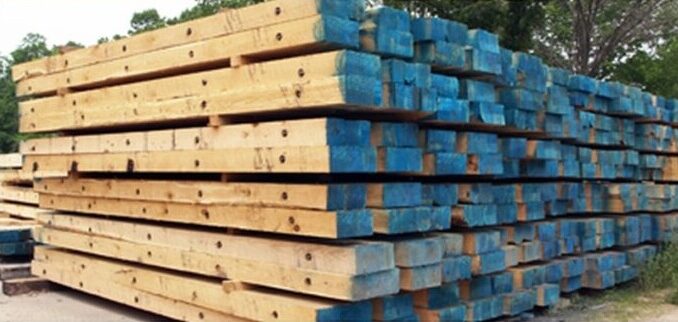
Solid timber and hardwood crane-style mats remain the default on many heavy access jobs because they are thick, tough, and familiar to crews who have dragged them with excavators for years. They shine when you need mass and crushing resistance under repeated heavy axle or track loads, and when the road will be layered or overlapped to build real bearing area.
Tradeoffs are weight, handling equipment, trucking cost, and variable quality as mats age. Chewed edges, broken bolts or cables, and waterlogged panels change how mats sit and how much they weigh on the next haul. Timber also moves water and mud differently than sealed composites—expect more cleanup and more environmental scrutiny on sensitive sites.
Use timber when the duty is heavy, the reuse market is clear, and you have the machines to place and pull panels without turning every move into a half-day event. Do not choose timber only because “that is what we always used” if the corridor is light-duty and trucking weight is the real cost driver.
Laminated Mats: Layered Wood for Access Efficiency
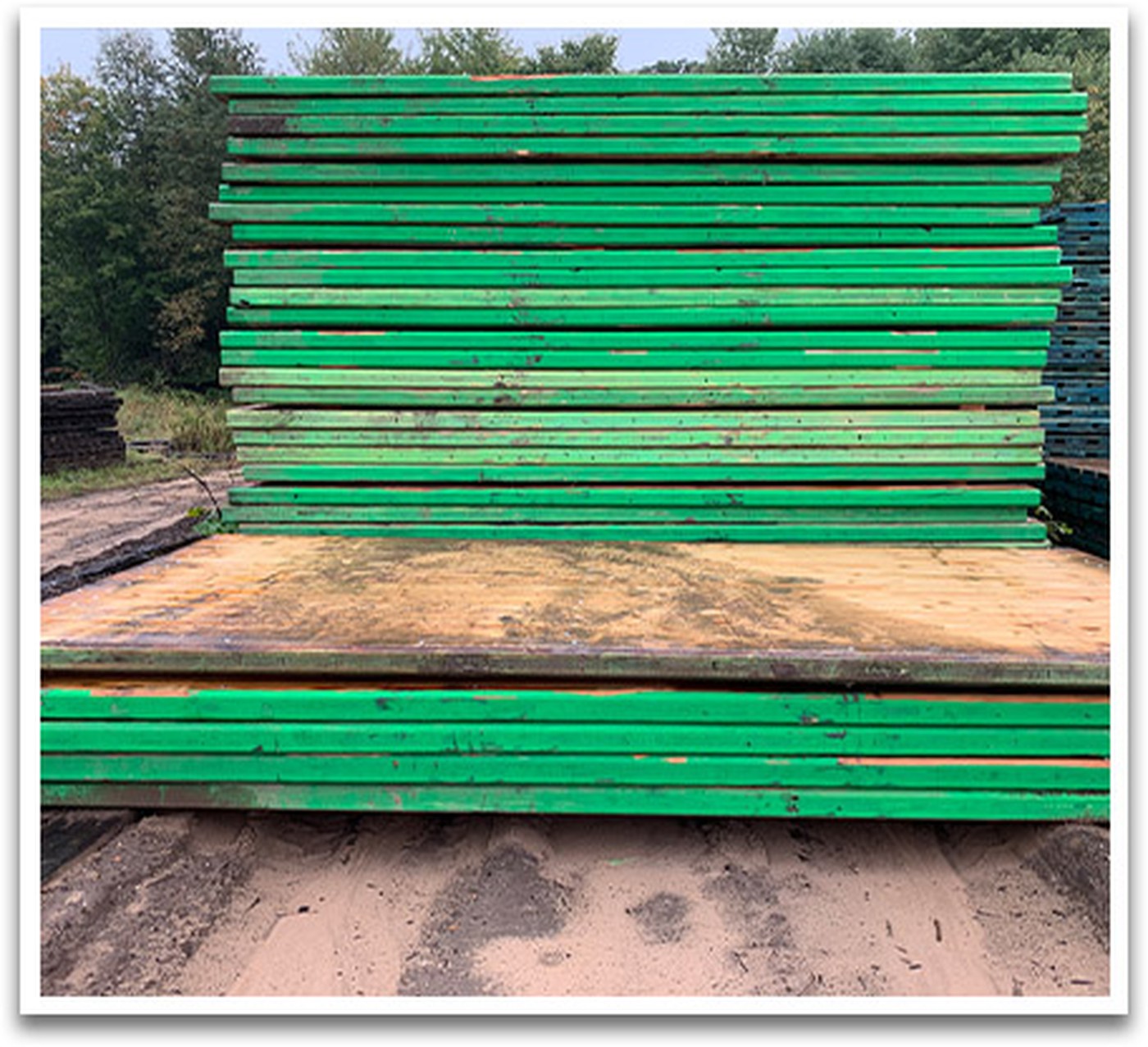
Laminated access mats (including multi-ply and related engineered wood constructions) aim to deliver a flatter, more consistent driving surface with panels that can be lighter or more uniform than random heavy timber. They are common on utility, pipeline, and renewable corridors where crews need predictable coverage, faster placement, and good reuse across multiple spreads.
Watch for construction quality: ply schedule, fastener pattern, edge sealing or paint, and how the mat behaves when it takes water. Laminated mats can delaminate or loosen fasteners under abuse that a thick solid timber might shrug off—or they can outlast poorly graded timber if they were built for the duty. Ask for the rating and intended use (access vs crane) and match it to your axle loads; an access-rated laminate is not automatically a substitute for a heavy crane-mat stack under a pick.
Choose laminated when you want a repeatable access product for road building, staging pads, and mixed rubber-tire traffic—and when supplier consistency matters as much as raw thickness.
Composite Mats: Weight, Cleanup, and Sensitive Ground
Composite and engineered polymer mats trade wood mass for lighter handling, often better cleaning, and performance in applications where reducing ground disturbance and trucking weight matters. They can be the right call for landscaped approaches, urban softscapes, wetland fringes with strict restoration goals, or jobs where crews move mats frequently with smaller machines.
Limits show up under extreme point loads, heat, or chemical exposure depending on the product—and under the temptation to under-layer because “composites float better.” Ground pressure is still load over area. A light mat that is too thin or too sparse for the axle still punches through soft clay. Read manufacturer allowable loads for your support condition (soft soil vs firm subgrade), and build the road width and overlap for the traffic, not for the catalog photo of a single panel under a pickup.
Composites often win the cleanup and reuse conversation when mats must leave little fiber and mud behind. Verify that claim against your soil type—sticky clay tests every marketing sentence.
A Practical Selection Workflow
Work the decision in order so you do not skip the expensive step:
- Map soft zones and water—where the road must float, where it can sit on firmer cut/fill, and where environmental rules constrain disturbance.
- List governing loads and frequencies—peak axle/track and how many passes per day at each segment.
- Filter materials—timber for heavy abuse and mass; laminated for consistent access corridors; composite where weight, cleanup, or sensitive surfaces dominate.
- Design the stack—single layer vs layered road, overlap, turnouts, and transitions at public pavement. Access roads often need more than a single butt-jointed lane.
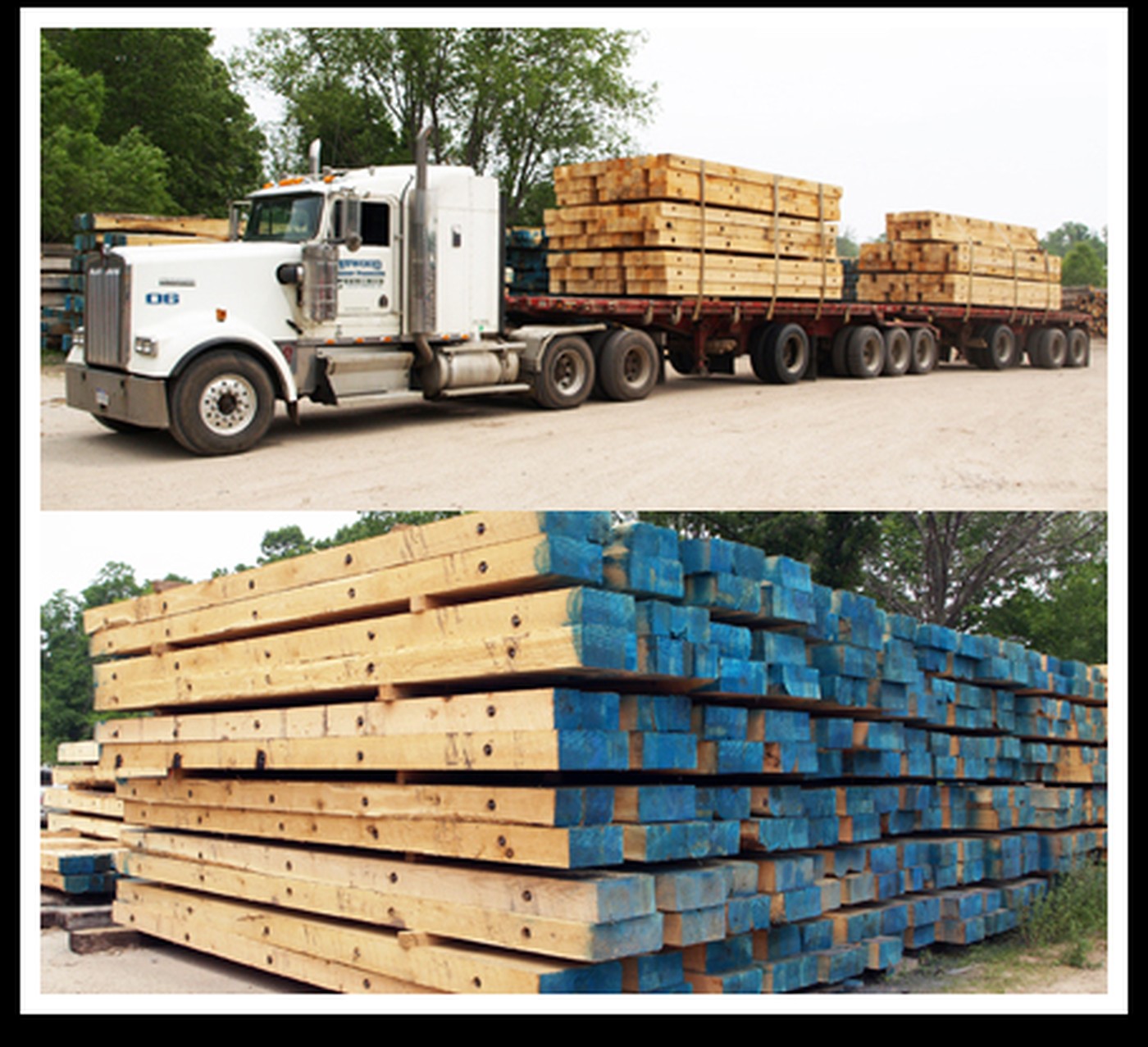
- Price the logistics—trucking weight, crane or excavator time to place, storage yard space, and demob cleaning.
- Choose buy vs rent—short corridors with uncertain reuse lean rental; multi-year programs with yard space may buy. Include repair, bolt/cable replacement, and cull rates.
- Pilot the worst segment first—if the softest 200 feet fails, the rest of the order will not save the schedule.
Access-mat suppliers that stock multiple constructions—such as Wolverine Mat—can help match timber, laminated, and composite options to corridor duty and commercial terms. Bring your load, soil, and duration notes; leave with a stack plan, not only a unit price.
Field Failure Modes to Design Against
- Joint hinges—butts lined up under duals or tracks; stagger joints and keep bearing paths continuous through turns.
- Edge punching—road too narrow for the vehicle; widen or add shoulders before the first lowbed arrives.
- Mud pumping—water and fines working through gaps; add layering, geotextile where specified, or drainage so the road does not become a slurry trough.
- Panel skate on grades—pin, connect, or crib transitions so mats do not become sleds on wet clay hills.
Inspect after storms and after the first heavy haul day. A mat road is a living structure; treat it like one.
When rental and purchase quotes are close, price the full cycle: delivery, placement machine time, mid-job reshuffles, cleaning, culls, and return freight. The cheapest panel on the truck is rarely the cheapest road after the mud bill arrives.
Final Thoughts
Choosing timber, laminated, or composite mats for temporary access roads is a duty-and-logistics decision: governing loads, soft-ground behavior, reuse cycles, and how you will place and pull the corridor. Timber brings mass and abuse tolerance; laminated brings consistent access panels; composite brings weight and cleanup advantages when the product ratings fit the axle loads. Spec the road for the wettest week and the heaviest regular user, build overlaps that do not hinge, and pick the commercial model that matches how many times those panels will earn their keep—not how good they looked on the delivery photo.