

































Not every plant or jobsite lift needs a mobile crane on the clock. Motors, pumps, valves, trench boxes, and skids under a few tons often move faster—and safer—with a portable winch or davit when the structure, line pull, and mounting are sized honestly. Spec the system wrong and you get fleet-angle sawing, overloaded mounts, or a “temporary” lift that becomes a permanent hazard.
This guide is about how to spec a portable winch or davit system for plant and jobsite lifts under a few tons: line pull and duty cycle, fleet angle and rope choice, mounting structure checks, and when calling a mobile crane is still the cheaper answer.
Start With the Load, the Path, and the Duty—Not the Catalog Photo
Write down the heaviest load you will lift with this setup, including rigging and any trapped fluid. Note the lift height, the horizontal reach if you are using a davit or crane boom, and whether the load must travel laterally or only rise and lower. Count how many cycles you expect per shift and whether the work is smooth positioning or repeated jerking picks. Those four facts—weight, height/reach, path, and duty—drive winch line pull, drum capacity, motor size, and whether a hand winch is even in the conversation.
Portable systems shine when the same lift repeats in a plant bay, over a tank, beside a conveyor, or at a temporary hole where mobilizing a truck crane costs more than the work. They fail when the load exceeds the published rating at the actual boom radius, when the mount is an afterthought, or when someone treats “portable” as “no engineering.”
Line Pull, Drum Capacity, and Fleet Angle
Winch ratings are usually given as line pull on the first layer of the drum. Each wrap outward reduces available pull. If your lift needs the full published number after several layers of rope are on the drum, you do not have that capacity anymore—size up or reconfigure so the working layer matches the chart. Drum capacity must also hold enough rope for the travel you need plus residual wraps the manufacturer requires on the drum.
Fleet angle—the angle of the rope as it leaves the drum toward the first sheave—must stay inside the winch maker’s limits (often on the order of a degree or two for smooth spooling). A steep fleet angle saws the rope, climbs the drum flanges, and damages the drum. Fix fleet angle with sheave placement, fairleads, or a different mount location—not by “watching it carefully.”
Wire rope and synthetic each have a place. Wire rope tolerates heat, abrasion, and many industrial environments; it is heavy and can throw fishhooks when damaged. Synthetic lines cut weight and can be kinder to hands and finished loads, but they need protection from sharp edges, UV, and chemicals per the rope maker’s guidance. Match end fittings, sheaves, and D/d ratios to the rope you choose—do not reuse a sheave sized for one construction on another without checking.
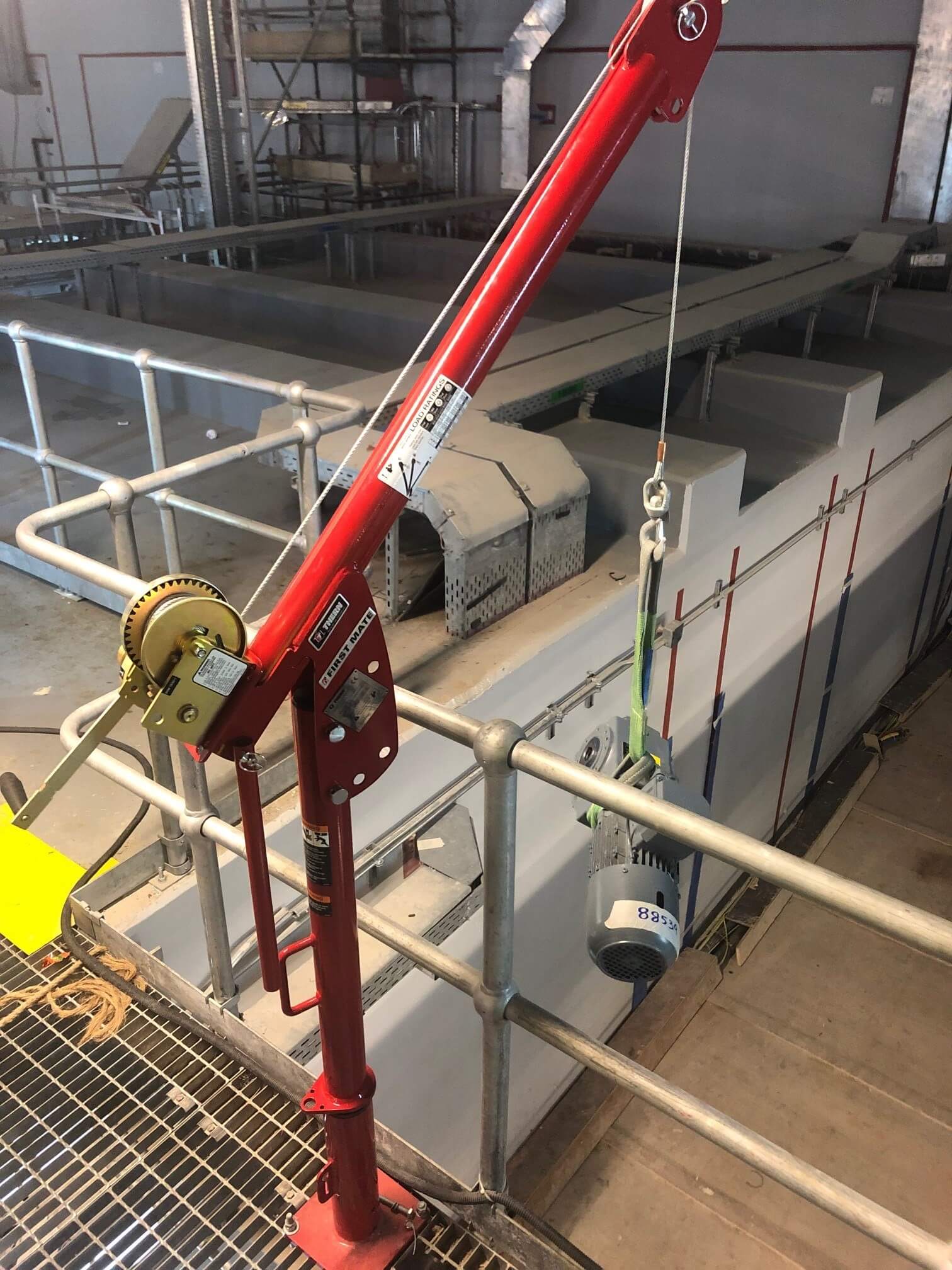
Davits and Portable Cranes: Reach, Base, and Rotation
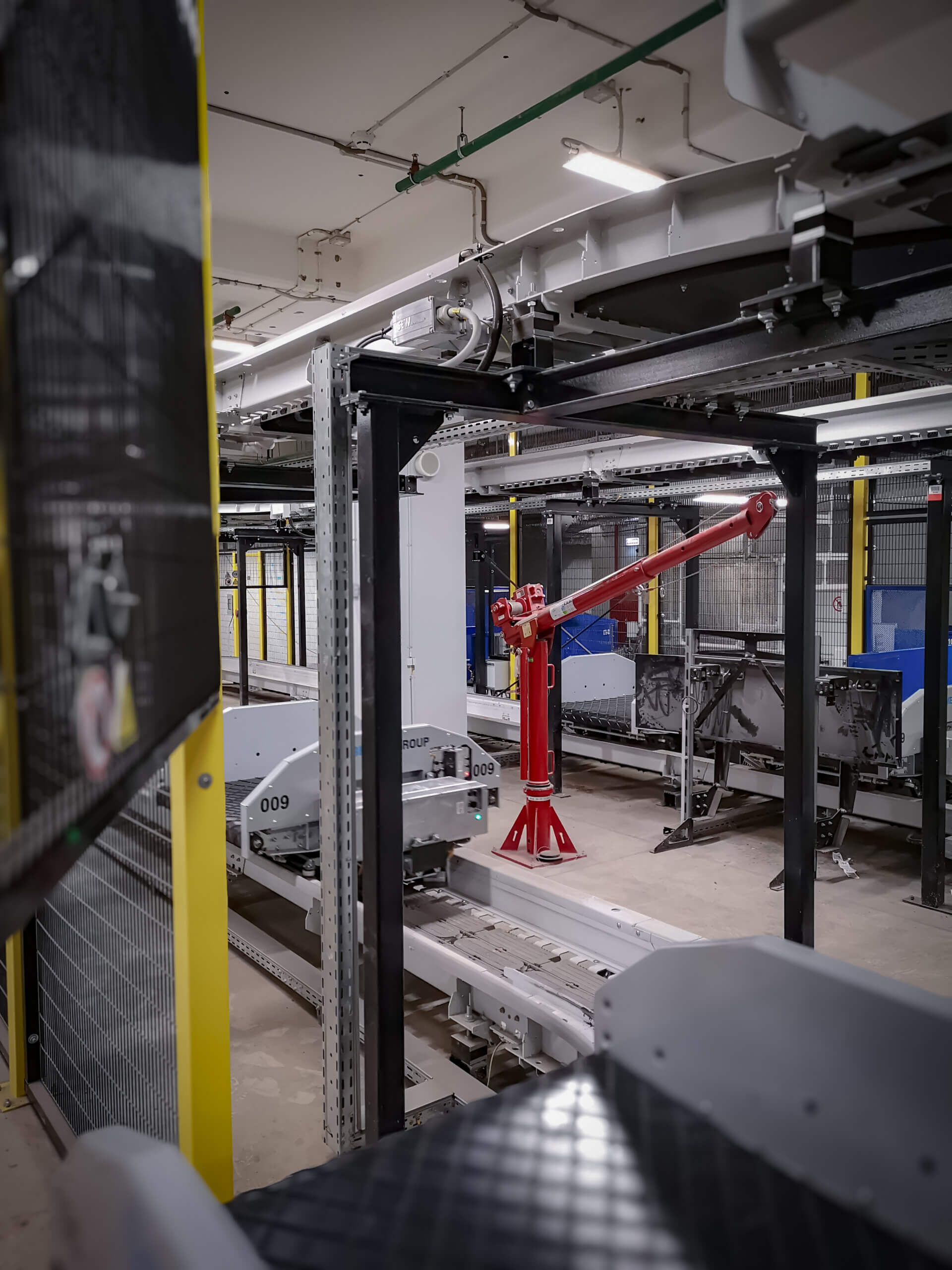
A davit or portable pedestal crane adds reach and a defined swing. Capacity falls as the boom radius increases—read the chart at the radius you will actually use, including any jib or extension. Confirm rotation limits: some bases allow 360°; others are limited by walls, piping, or the pedestal design. Height under the hook must clear the load, the softener, and any rails the piece must pass.
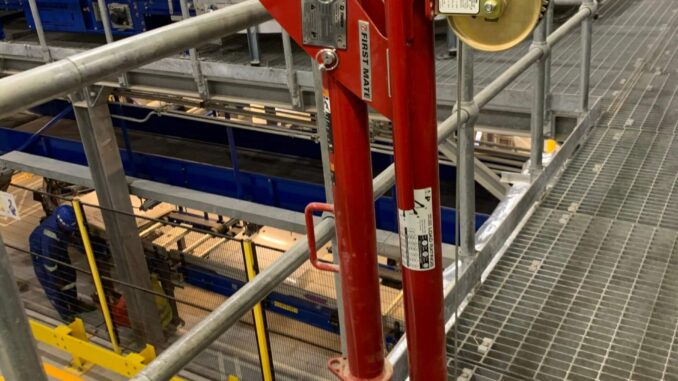
Bases and pedestals transfer load into the floor, grating, or foundation. The published crane capacity assumes a mount that can take the overturning moment and bolt loads in the installation manual. Grating that “feels solid” is not a calculation. Have a competent person verify the supporting structure—slab thickness, beam size, embedment, or a designed pedestal—before the first rated lift. Socket-style portable bases only work when the socket is installed to the manufacturer’s instructions and inspected like any other below-the-hook support.
Manufacturers such as Thern publish winch and davit ratings, configuration tools, and mounting guidance for plant and construction duty—use those numbers against your real radius and structure, then leave margin for the ugliest load on the week’s work order.
Power, Controls, and Environment
Electric winches need the correct voltage, phase, and duty cycle for the motor. A unit that is fine for occasional positioning can overheat on continuous cycling. Air winches need clean, adequate air flow and pressure at the tool—not at the compressor across the plant. Hand winches are honest about slow duty; they are the wrong tool for production cycling or for loads that need precise power control from a distance.
Controls should match the task: pendant or remote with an emergency stop the operator can reach; limit switches or other travel limits where the application needs them; and a clear view of the load path. In hazardous locations, specify equipment rated for the classified area rather than improvising a “temporary” non-rated hoist.
Corrosion, washdown, outdoor weather, and temperature extremes change finishes, lubricants, and rope choice. A winch that lived indoors on a dry mezzanine will not automatically survive a coastal wastewater deck without the right options.
When a Portable System Is the Wrong Tool
Call a mobile crane or a permanently engineered hoist when the load exceeds portable ratings at the needed radius; when the supporting structure cannot be verified or reinforced in time; when the lift is a one-off critical pick over occupied space that your program treats as a critical lift; or when the path needs long horizontal travel that a davit cannot provide without side-loading the boom. Side-loading a davit to drag a load is a common way to bend booms and void ratings—if the load must travel sideways, design a trolley, monorail, or crane path instead of hoping the boom will forgive you.
Also walk away from portable gear when inspection history is unknown, when wire rope is bird-caged or crushed, or when the serial plate and chart are missing. An unlabeled winch is not a bargain—it is an unknown machine.
Inspection and a Simple Spec Checklist
Before you buy or rent, write a one-page spec: maximum load and CG notes; required hook height and working radius; line pull on the working drum layer; rope type and length; power source; mount type and verified structure reaction; environmental options; and inspection/maintenance access. After install, commission with a known test load inside rating, verify spooling and brakes, and train the people who will actually run the pendant—not only the person who signed the PO.
Ongoing inspection follows the manufacturer’s intervals and applicable ASME B30 consensus standards for winches and cranes. Log wire-rope or synthetic condition, brake function, structural fasteners, and any boom or pedestal damage. A portable system that moves between sockets needs the same attention at every new mount, not only the first.
Final Thoughts
Specifying a portable winch or davit starts with the load, path, and duty, then matches line pull on the working drum layer, fleet angle, rope type, and a mount the structure can actually carry at the working radius. Keep portable systems inside their charts and manuals; use them where repeat plant or jobsite lifts under a few tons beat mobilizing a truck crane; and escalate to a mobile crane or engineered hoist when radius, structure, or criticality say so. Honest numbers on the work order beat a catalog photo every time.