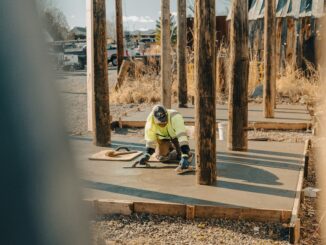

























Small flatwork and repair crews live or die by whether the finishers stay busy without getting buried. On residential slabs, sidewalks, driveway repairs, and light commercial patches, a continuous portable mixer can keep mud coming in a steady stream—if hopper loading, water control, and pour sequencing match the pace of the people with the bull float and trowels. Starve those finishers and you chase cold joints; overfeed them and you fight set before the edges are closed.
This guide is a field playbook for running continuous-style portable concrete mixers on small crews. It is not a product bake-off and not a substitute for the mix design, manufacturer instructions, or local placement requirements you already follow. Treat hopper habits, water settings, and cleanout as crew discipline against today’s materials and weather.
When Continuous Mixing Beats Batch Drums on Small Jobs
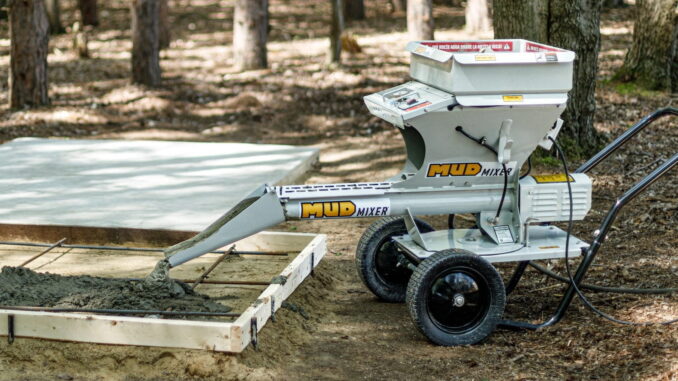
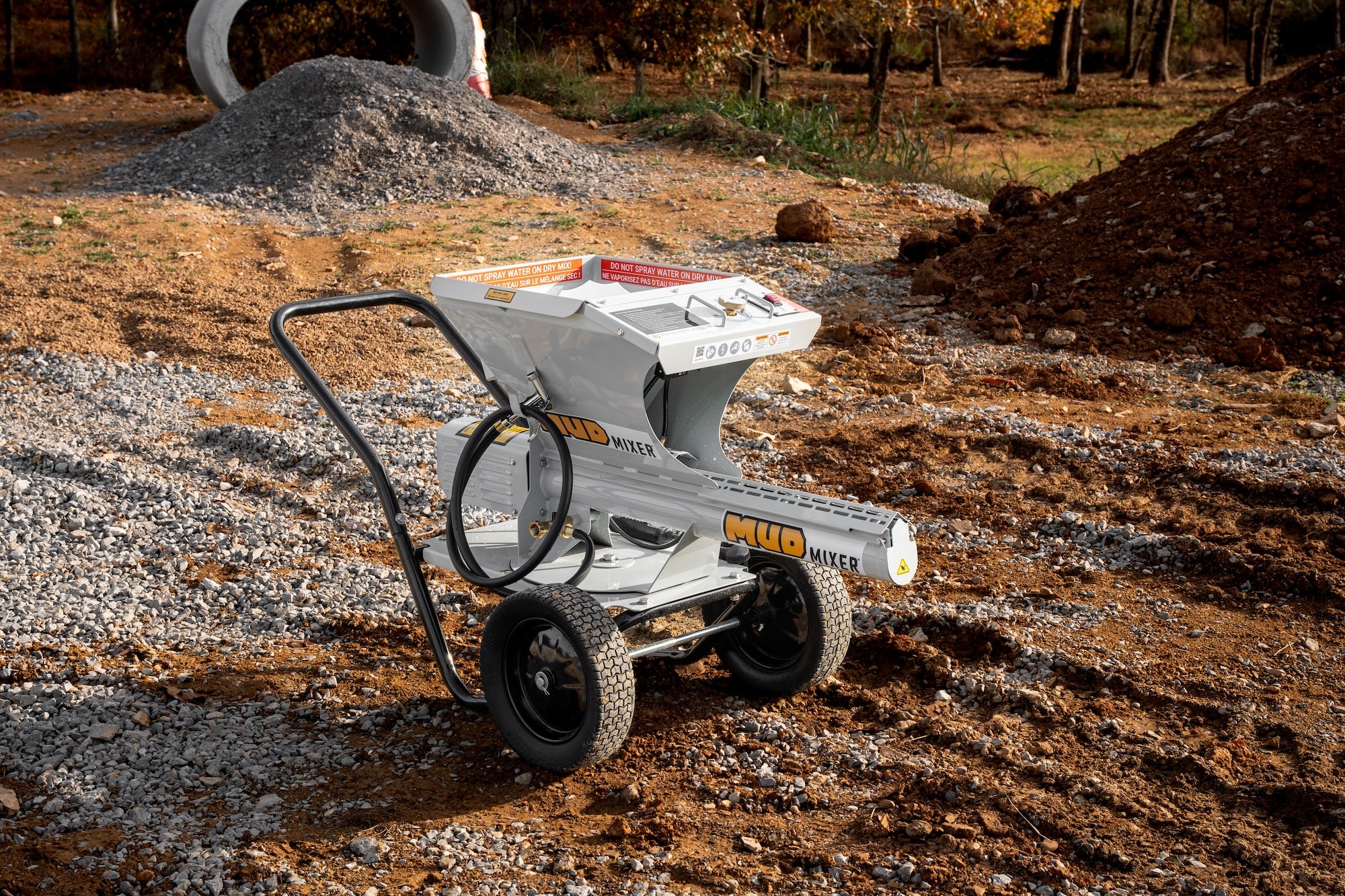
Batch drums earn their keep when you need a large, discrete load mixed and dumped in one cycle. On many small jobs, that cycle becomes the bottleneck: fill, mix, dump, rinse or reload, then wait while finishers work down what they have. Continuous portable mixers flip the rhythm. Dry material feeds the hopper while water joins in the mixing tube, and wet concrete can leave the chute as long as the hopper stays staged and the water setting stays honest.
That matters most where access is tight and pour volume is modest but steady—patio additions, sidewalk replacements, equipment pads, pool decks, and repair patches that do not justify a full transit mixer wait. One or two people can keep bags or staged aggregate moving into the hopper while finishers work a controlled front. You still need a plan for where wet concrete lands (wheelbarrow, buggy, or direct into the form), but you are no longer stuck waiting for the next drum cycle every time the chute empties.
Continuous mixing is the wrong default when the placement needs a single large monolithic pour that a ready-mix truck can feed faster than your crew can place, or when the specification demands a plant-batched mix with documented batch tickets. Use continuous gear where the crew’s placement rate—not plant logistics—sets the clock, and where stopping and starting the chute is cheaper than parking a drum for half the day.
Staging Aggregate, Water, and Cement So Output Stays Steady
Continuous output fails when the hopper starves or the water line hiccups. Stage bags or bulk dry mix within one easy lift of the hopper so the loader never walks across the slab to fetch the next unit. Keep a short stack broken open and ready, but not so many open bags that rain or wind ruins the pile. If you run a hopper extension, set it so bag dumps stay centered and the bag breaker does its job without forcing operators to lean over an unstable stack.
Water is the second half of the product. Hook the supply before the first bag, purge air from the line, and confirm pressure is stable enough that the dial setting means the same thing at noon as it did at 8 a.m. Do not spray water onto dry material in the hopper—follow the machine’s loading sequence so dry feed and metered water meet in the mixing path as designed. A sudden lean or fat mix at the chute is almost always a staging or water-control problem, not a mystery in the bag print.
Cementitious materials and aggregates need the same weather sense you give any bagged job. Shade and cover the dry stack on hot or wet days. On cold mornings, know whether your water source is warm enough to keep the mix workable without inventing a new water setting mid-pour. Assign one person as the “hopper boss” for the shift so load rate, bag count, and water dial are not three different opinions.
Matching Mixer Output to Finisher Pace
The chute should feed the finishers, not race them. Watch the leading edge of the pour: if finishers are constantly waving off the next wheelbarrow, slow the hopper or pause dry feed until the surface is under control. If they are standing with empty tools while the chute sits idle, the bottleneck is staging—not the finishers. Continuous mixers make it easy to outrun a two-person finish crew on a hot day; the cure is sequencing, not yelling.
Sequence the pour in strips or panels that match how fast your crew can strike off, bull float, and edge. Start at the far end of access when that keeps traffic off fresh mud. Use a consistent dump point—buggy, chute into form, or short board run—so the mixer operator is not chasing a moving target. Call out water adjustments in small steps and give the chute a few seconds to show the new consistency before you twist the dial again.
Dealers and suppliers that stock portable continuous mixers for flatwork crews—such as Concrete Tools Direct—are useful when you are comparing hopper and chute setups against the same small-crew problem rather than improvising with a drum that was never sized for stop-and-go residential work. Match the machine’s continuous feed habit to the number of finishers you actually have on site, then lock a pour map before the first bag hits the hopper.
Cleanout and Weather Habits That Protect the Next Pour
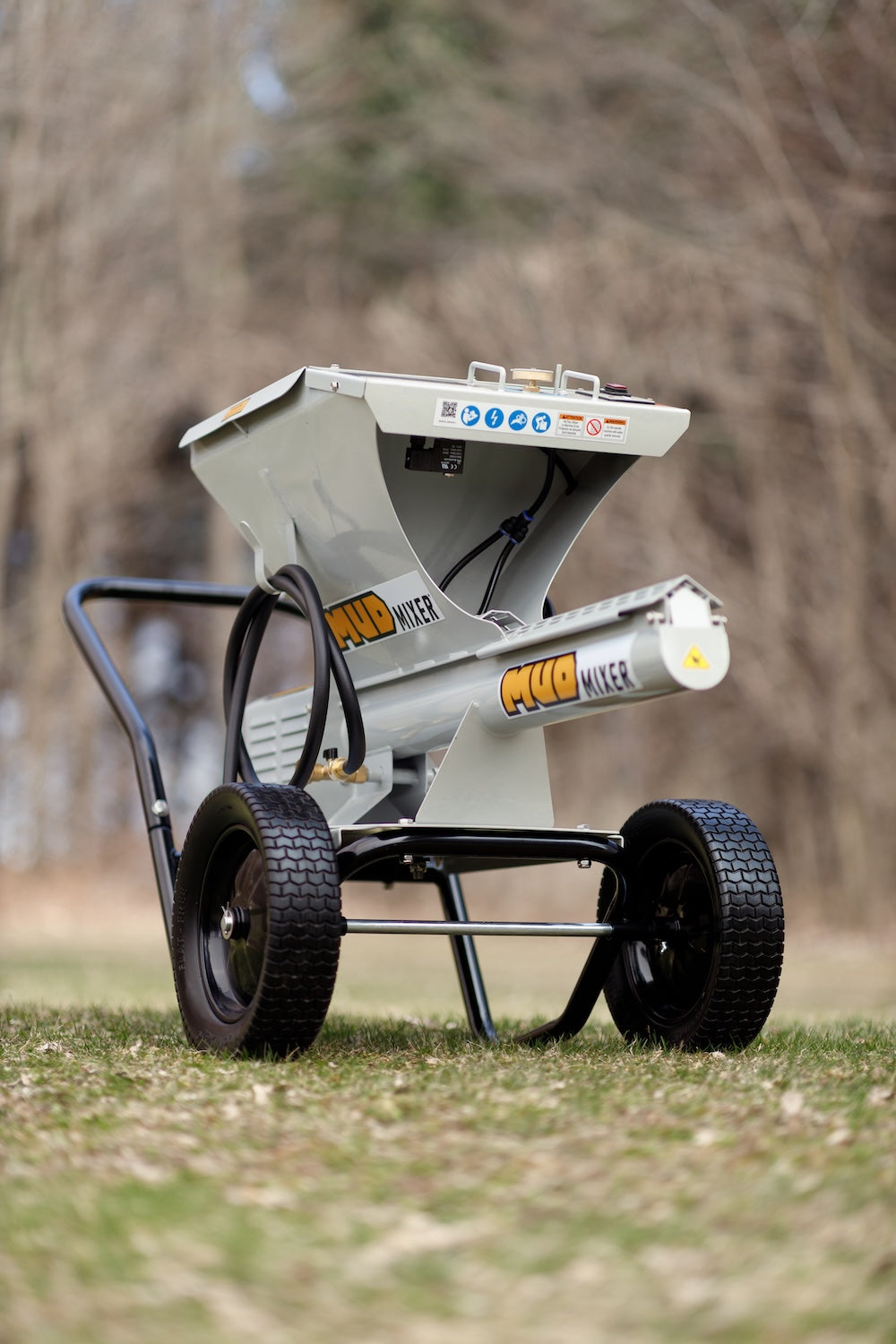
Concrete left in the mixing tube and chute overnight is tomorrow’s clog. End the pour with enough water and run time to clear the path per the manufacturer’s cleanout method, then chase remaining paste out of the chute and any extension you used. Coil and drain hoses so freeze or midday heat does not surprise you. Cap or cover the hopper if the unit sits outside between pours.
Weather changes the same habits. Hot, windy afternoons accelerate set at the surface—shorten the distance from chute to finishers and keep the leading edge smaller. Cold or damp days slow finishing; do not compensate by inventing a wetter mix that bleeds and weakens the surface. Rain plans belong in the staging area: tarp the dry goods, know when to pause the hopper, and protect fresh concrete the way you would on any bagged job.
Walk the machine before the next shift. Check tires, power cord, water fittings, chute fasteners, and the bag breaker. Keep spare wear parts and a cleanout kit on the truck. A continuous mixer only stays productive if yesterday’s paste is gone and today’s water dial starts from a known point for the materials you are running.
Final Thoughts
Continuous portable mixers help small crews keep mud moving without the stop-start tax of drum cycles—but only when hopper staging, water control, and finisher pace stay in the same conversation. Stage dry materials and a stable water supply so the chute does not starve, match output to the people with the floats, and clean out like the next pour depends on it. Do that as routine crew discipline, and continuous mixing stays a productivity tool on residential and light commercial flatwork instead of a way to bury your finishers.