



Highway and site crews move Jersey barriers, bin blocks, pipe, and slabs every day—and too many still do it with chain, nylon straps, and improvised chokers that were never rated for the geometry of the load. A barrier that tips, a strap that abrades through a corner, or a pick that needs three people to “guide” the load is not a productivity problem alone. It is a below-the-hook control problem that shows up as crushed fingers, cracked edges, and stop-work conversations with the superintendent.
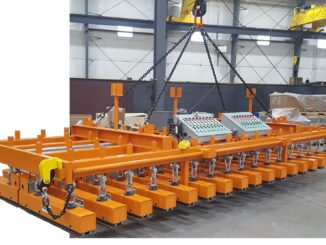
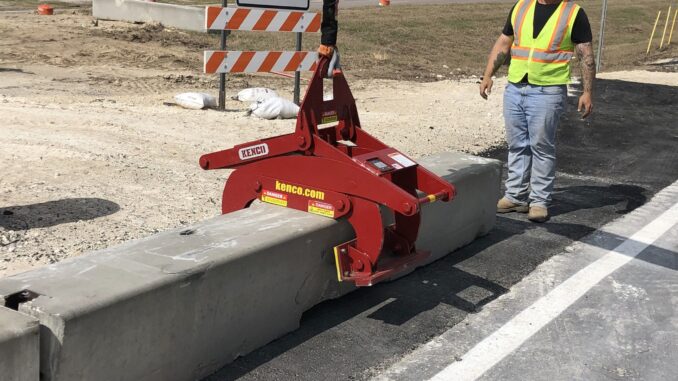
Purpose-built barrier tongs and related lifts are designed so the attachment grips the product the way it was meant to be gripped: jaws that match wall thickness, pads that protect finish, and a mechanical action that seats under load instead of relying on friction against a slick concrete face. This guide walks through when those tools beat improvisation, how to match capacity and jaw range, what ASME B30.20 / BTH-1 checks belong on the ticket before the first pick, and how pipe, manhole, and slab lifts fit the same discipline on utility and flatwork work.
Why Purpose-Built Barrier Lifts Beat Chain and Strap Improvisation
Chain and strap improvisation fails for predictable reasons. Barriers and bin blocks have narrow top profiles, sharp corners, and mass that shifts the moment the load clears the trailer. A vertical hitch that worked on a palletized crate does not automatically work when the load’s center of gravity sits low and the contact points are two thin edges. Straps cut, slip, or force the operator to over-tighten until the concrete spalls. Crews then invent tag-line choreography that looks busy and still leaves the load free to rotate.
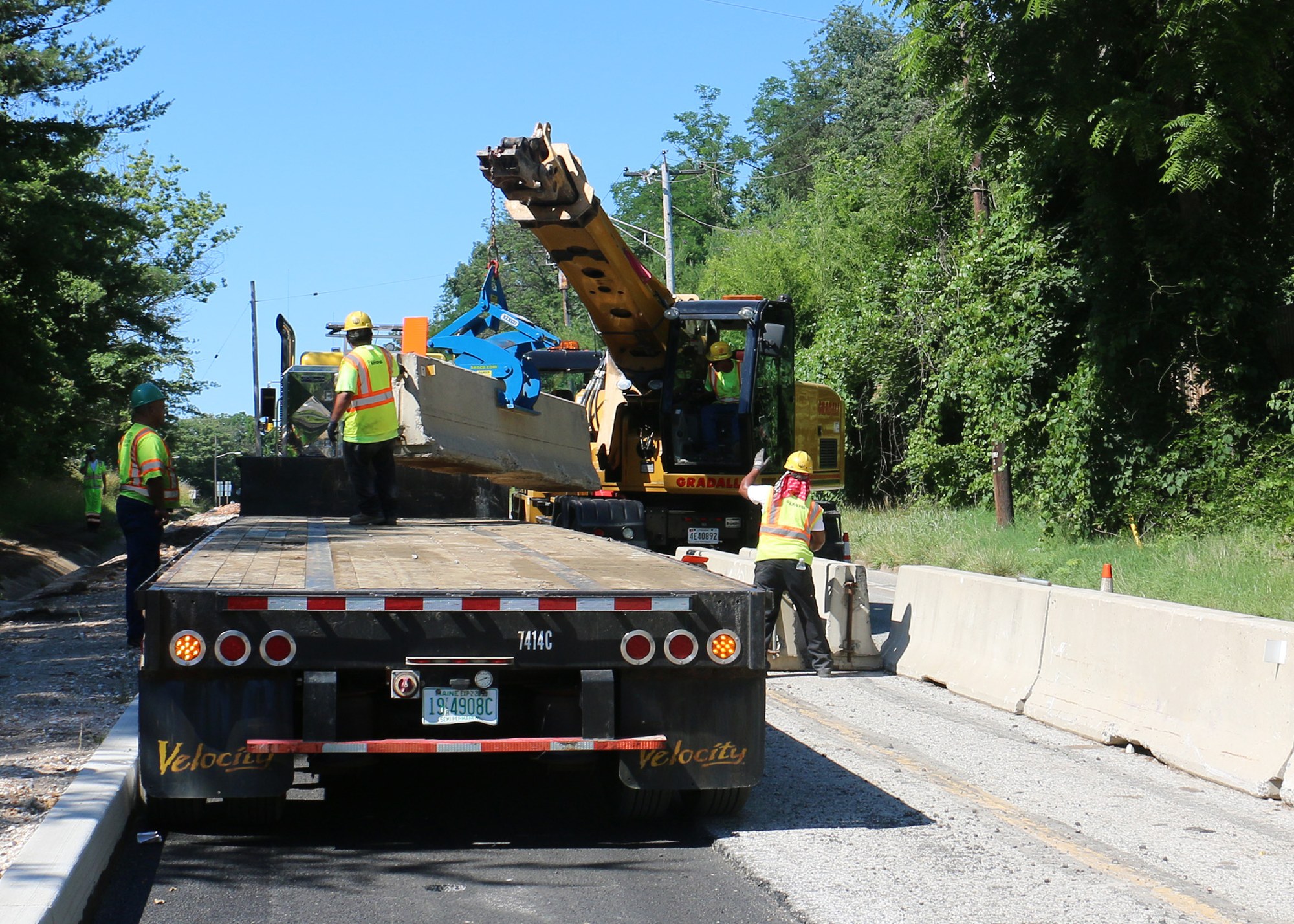
Mechanical barrier lifts reverse that logic. The tongs open over the wall, seat on the designed contact faces, and tighten as the hoist takes weight. Elastomer pads reduce face damage compared with bare steel on green or finished barrier. The pick becomes a single-operator problem for the excavator or crane once the attachment is sized correctly—not a four-person wrestling match at the trailer stake pocket. That is the real cycle-time win: fewer hands in the bite zone and fewer rejects from chipped edges.
Improvised slings also hide documentation gaps. If you cannot point to a rated capacity for the configuration you are using on this barrier width today, you do not have a lift plan—you have a habit. Purpose-built tools exist so the rating, grip range, and inspection points are published for the attachment class you actually put on the hook.
Matching Lift Capacity and Jaw Range to Barrier and Bin-Block Sizes
Capacity is not the same as “it lifted yesterday’s wall.” Match the attachment’s rated working load to the heaviest barrier or bin block you will pick in that configuration, including any water, debris, or hardware still in the section. Then match jaw or grip range to the actual wall thickness and profile—standard Jersey, F-shape, and proprietary bins are not interchangeable just because they are all gray concrete.
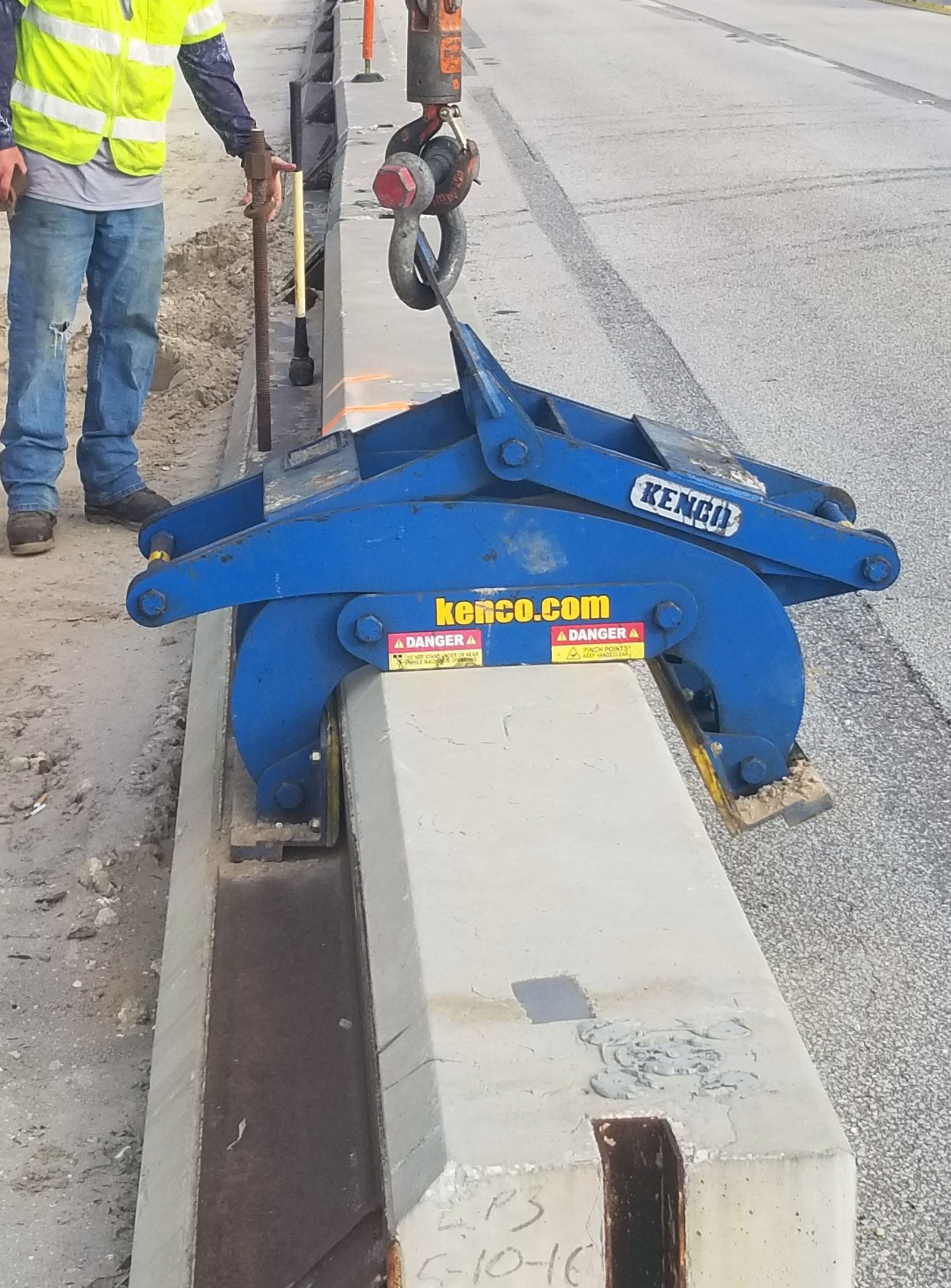
Measure before you mobilize. A grip range published for roughly 6 to 12 inches covers a common highway barrier band, but your project’s specialty wall, tall bin, or tapered section may sit outside that window. If the jaws cannot seat fully, do not “make it work” with packing or a partial bite. Wrong range is how loads walk out of the tongs mid-swing.
Carrier choice matters as much as the clamp. Excavators, loaders, and cranes all see barrier tongs; what changes is how you set the head, how you control swing, and whether the operator can see the seat of the jaws. Brief the pick path from trailer to set location before the first barrier leaves the deck. The attachment only solves the grip—you still own the swing, the spotters, and the set.
ASME B30.20 / BTH-1 Checks Before the First Pick
Below-the-hook devices used in construction live under ASME B30.20 and the BTH-1 design standard language your lift program already references for magnets, tongs, and similar gear. Before the first pick, confirm the attachment’s identification, rated load, and inspection status match what is on the hook today. Missing tags, illegible capacity markings, or a cracked pad are stop items—not punch-list items for Friday.
Run the same pre-use discipline you would on a spreader beam: look for bent frames, worn pins, damaged elastomer, elongated holes, and any modification that was not approved by the manufacturer. If the device uses a latching or auto-sequence feature, verify it cycles correctly unloaded before you trust it over live traffic or a crowded deck. Document the check on the daily lift or crane paperwork so the next shift is not guessing.
Manufacturers of barrier and related below-the-hook lifts—including Kenco Corporation—publish model ratings, grip ranges, and inspection guidance so crews can match the tool to the wall instead of inventing a hitch. Use that data, your project’s lift plan, and the ASME checks together; none of them replaces the others.
Pipe, Manhole, and Slab Lifts for Utility and Flatwork Crews
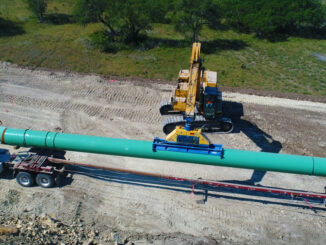
The same below-the-hook mindset applies when the load is round or flat instead of a barrier wall. Pipe lifts, manhole lifts, and slab grabs exist because straps through the load or under a thin edge create different failure modes—crushing, ovaling, edge breakout, and uncontrolled roll. Utility crews setting RCP, structures, or flatwork panels need the contact geometry designed for that product, not a leftover choker from the steel pile.
Size pipe tools to diameter and weight, and confirm how the lift engages the pipe wall or ends per the manufacturer’s instructions. Manhole and structure lifts should clear the casting and seal surfaces you cannot afford to chip. Slab tools need to match thickness and plan dimensions so the slab stays level through the swing. In every case, treat the attachment as part of the rated system with the hoist, not as a free accessory.
Coordinate with the trench, structure, or flatwork sequence so the lift is not improvising over an open excavation or a green slab edge. A clean pick path and a rated tool beat a heroic strap every time.
Storage, Pin, and Wear Inspection Between Projects
Barrier tongs and related lifts fail between projects more often than mid-pick—if you store them dirty, pin-dry, and ignored. After demobilization, clean concrete paste off pads and frames, inspect elastomer for chunking or glazing, and check pins, keepers, and wear surfaces before the attachment goes back on the rack. A pad that looked “fine” under mud can show a cut once washed.
Store devices so jaws are protected, pins stay captive, and capacity markings remain readable. If your yard paints over tags, you have created a documentation defect. Keep the manufacturer’s inspection criteria with the tool, and retire or repair anything that fails a dimensional or crack check instead of shipping it to the next highway job “because we need it Monday.”
Close the loop with a quick function check when the attachment comes back out: open/close action, latch behavior if equipped, and a visual confirmation that the grip range still matches the walls on this contract. Habit beats heroics. The barrier only gets one chance to stay in the tongs once it leaves the trailer.
Final Thoughts
Improvised slings on barriers and precast are a slow way to damage product and put hands in the wrong place. Match a rated barrier, pipe, manhole, or slab lift to the geometry and weight you are actually picking, run ASME B30.20 / BTH-1 style checks before the first hoist, and inspect pads and pins between projects so the next crew inherits a tool—not a surprise. Do that as routine below-the-hook practice, and highway and site logistics stay controlled instead of improvised.