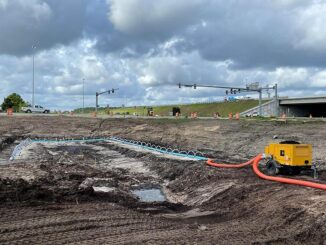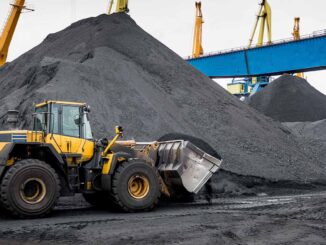






Soft fills, wet clay, and loose sand do not care how aggressive your rock tread looks in the yard. When ground bearing pressure climbs past what the surface can support, articulated dump trucks (ADTs) and wheel loaders stop floating and start digging—ruts deepen, cycle times stretch, and the same tire that looked “tough” on gravel becomes a sinker on the spoil pad.
This guide is about matching flotation and soft-ground OTR tires to ADTs, loaders, and real site conditions: footprint and ground pressure, sand vs mud vs wet clay cues, inflation habits that widen the contact patch without inviting sidewall damage, and when a different tire—or a different undercarriage—still wins.
Flotation Is a Footprint Problem, Not a Logo Problem
Flotation means spreading machine weight over enough contact area that the soil (or fill) can carry it without continuous shear failure under the tire. Ground pressure is roughly load divided by the tire’s contact area. Wider section tires, larger overall diameter, and a tread that keeps rubber on the ground instead of packing mud into a solid “slick” all lower that pressure for a given axle load.
Aggressive rock or quarry treads excel when the surface is firm and abrasive. On soft ground they often work against you: tall, widely spaced lugs concentrate load on small patches, dig grooves, and pack with clay until the tire behaves like a narrow drum. Soft-site and flotation patterns favor a wider footprint, more rubber in contact, and void that sheds mud without turning the tire into a paddle that excavates the haul path.
Industry service codes (L-series for loaders, E-series for earthmover/haul, G-series for graders) and tread depth classes still matter for cut resistance and wear—but on a soft pad the first filter is whether the tire floats or digs. Matching duty to site comes before matching a brochure photo to the machine badge.
Site Cues: Sand, Mud, and Wet Clay
Read the ground the way the tire will load it—not how it looked at 8 a.m. after a dry night.
- Dry to damp sand and sandy loam—Wide flotation sections and lower ground pressure reduce sinkage. Traction often comes from footprint and sidewall engagement more than from deep rock lugs. Over-aggressive tread can spin and excavate holes that trap the next pass.
- Plastic mud and saturated silt—Self-cleaning void is critical. Packed lug valleys raise effective ground pressure and destroy traction. Look for patterns that eject mud as the tire rotates, and accept that repeated passes on the same line will still cut a trench if you do not manage the path.
- Wet clay and sticky fills—Clay sticks, fills tread, and polishes. Flotation helps on the first passes; after that, traffic management (wider haul corridors, corduroy, or staged lifts) matters as much as tire choice. A tire that looked open on the rack can leave the job as a clay cylinder.
- Mixed spoil pads—Expect soft spots after rain, around truck turns, and where loaders spin while crowding the pile. Spec for the softest recurring condition you will work through—not the firm gravel near the scale house.
If the surface is sharp rock under a thin soft skin, you need a compromise: enough footprint to stay on top of the soft layer without a carcass so open it fails on the first rock puncture. That is a site-specific call with the tire supplier and the OEM’s load/inflation tables—not a one-size “mud tire” guess.
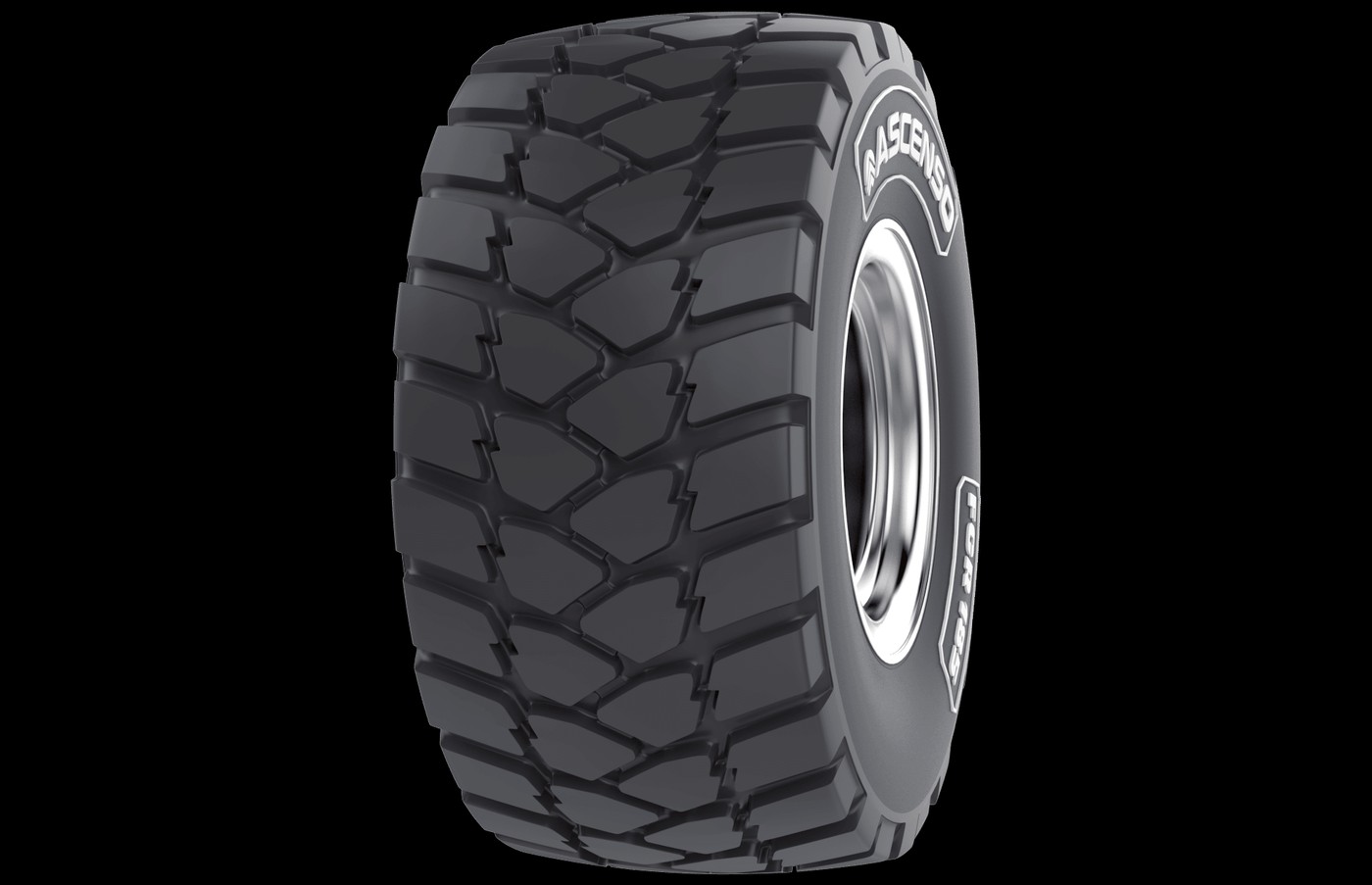
ADTs vs Loaders: Same Soft Site, Different Duty
Articulated dump trucks haul. Their tires see loaded and empty cycles, higher average speeds on the haul, turning under load at the dump, and repeated passes on the same soft corridors. Soft-ground ADT choices lean toward flotation-friendly section widths where the axle and envelope allow it, tread that sheds mud on the return, and compounds that tolerate heat on longer hauls without giving up cut resistance at the dump face. Overly aggressive rock patterns on a soft spoil run often cut the road into a canal by mid-shift.
Wheel loaders crowd, turn, and load in a smaller footprint. Side loads, torque at the pile, and sharp turns on soft pads punish sidewalls and shoulders. Loader tires for soft sites still need a wide, stable contact patch and a tread that bites without continuous spin-digging. Deep quarry L5 patterns that shine on blasted rock can be the wrong tool on a wet clay borrow—too much dig, not enough float.
Pair the tire to the duty mix: percentage of time on soft fill vs firm haul road, typical payload, turning radius at the pile or dump, and whether the machine is the one pioneering the pad or following a prepared path. An ADT that only dumps on a rocked pad can run a different compromise than one that builds the fill as it goes.
Inflation: Footprint vs Sidewall Protection
Inflation is the cheapest flotation adjustment—and the easiest way to ruin a carcass.
- Lower pressure (within the tire maker’s table for the actual load) widens the footprint, drops ground pressure, and often improves soft-site mobility. It also increases sidewall flex and heat. Stay inside published load/inflation charts for the speed and load you actually run—not a tribal “air down until it looks soft.”
- Higher pressure shrinks the patch, raises ground pressure, and can improve stability and heat management on firm, fast hauls—while making soft pads worse.
- Mismatch across duals or across an axle creates uneven loading, scrubbing, and early failure. Soft-site fleets that “top off by eye” after every rain rarely stay inside the chart.
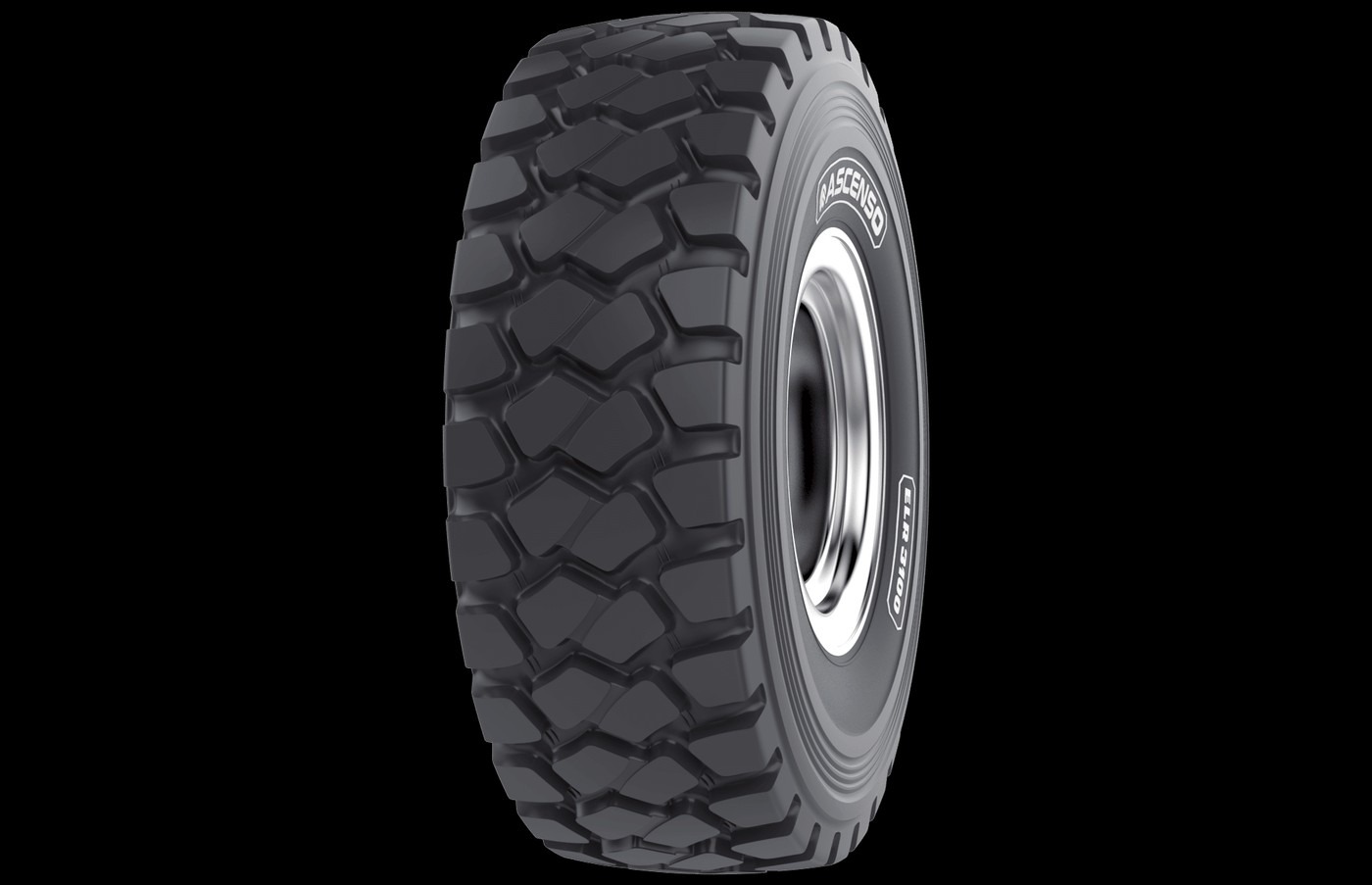
Check cold pressures against the load you put on the tire that day. A half-capacity ADT run at full-load inflation is leaving flotation on the table; an overloaded loader at soft-site pressure is asking for a sidewall to fold. For specialty flotation and wide OTR constructions, suppliers such as Ascenso publish size, load index, and application data that should drive the gauge setting—not the compressor habit from last season’s rock job.
When Tracks Still Win (Without Relitigating the Whole Debate)
Tires are not always the answer on soft ground. Very low bearing-strength soils, deep mud that exceeds practical flotation section widths, or continuous pioneering where any wheeled pattern will trench may still call for tracks—or for mats, corduroy, and haul-road build before the fleet rolls. E&C already covered the broader productivity tradeoffs in the April 2026 rubber-tracks-vs-tires piece; this article stays on tire matching when wheels are the plan. If every flotation choice still leaves machines belly-deep, stop shopping tread and fix the access plan.
A Practical Matching Checklist
- Map the soft zones—spoil pads, creek crossings, uncured fills, and rainy-week haul lines—not only the crushed-stone road to the scale.
- List machines and duties—ADT haul vs loader crowd; loaded vs empty time; turn severity; max speed on the soft section.
- Filter for footprint first—section width, overall diameter, and tread that keeps rubber on the ground when mud tries to pack the void.
- Then filter for damage mode—cut/chip if rock is under the soft layer; heat if haul distance and speed are real; sidewall if loader turns are sharp on soft pads.
- Set inflation from the load table for the actual axle loads and speeds; recheck when payload or ballast changes.
- Manage the path—spread traffic, repair ruts early, and do not expect any tire to heal a trench you deepen every cycle.
- Decide the exit ramp—if flotation OTR still cannot keep production, escalate to road build or tracks instead of burning another set of the wrong pattern.
Final Thoughts
Matching flotation and soft-ground OTR tires to ADTs, loaders, and site conditions starts with ground pressure and duty—not with the most aggressive tread in the warehouse. Choose footprint and self-cleaning for sand, mud, and wet clay; set inflation from real loads; and keep rock-service patterns for rock. When the soil cannot carry wheels even with a wide specialty tire, change the access plan. Soft sites reward the tire that floats and finishes the shift—not the one that looks ready for a quarry that is not on this job.