





















A lift plan looks solid on paper until the first pick finds a soft outrigger pad, a radius that does not match the chart, or a crew that never heard the exclusion-zone rule. Briefing the mobile crane and rigging team is not a courtesy meeting—it is the last chance to make the plan survive contact with the ground, the load, and the people swinging it.
This guide is about how to brief a mobile crane and rigging crew so the first pick matches the written plan: what the host contractor must hand over before arrival, how to verify ground and radius on site, tag-line and communication habits that prevent stop-work, and when the plan must be revised before anyone hooks on.
What the Crew Needs Before the Truck Leaves the Yard
Treat the pre-arrival package as part of the lift plan, not as optional paperwork. At minimum, give the crane company a current revision of the load data, the pick-and-set locations, the planned radius and boom configuration, site access notes, and any known hazards (overhead lines, excavations, live traffic, soft fill, restricted swing). Include who owns the lift on your side—superintendent, lift director if assigned, and the person who can authorize a plan change when the pad does not match the drawing.
Weight is not a verbal estimate. Use manufacturer data, certified scale tickets, or engineered calculations for the load as it will be rigged—including below-the-hook devices, softener pads, and any water, mud, or attachments still on the piece. If the piece might still hold residual product or ice, say so. Understating weight is how charts get used past their capacity before the first boom tip rises.
Access details matter as much as capacity. Note gate widths, overhead clearances, turn radii for the carrier, outrigger spread needed for the governing pick, and where mats or timber will stage. A plan that assumes a 360° swing into a lot that only allows a 180° arc is not a plan—it is a redesign waiting to happen on the clock.
Ground Conditions and Radius Reality on Arrival
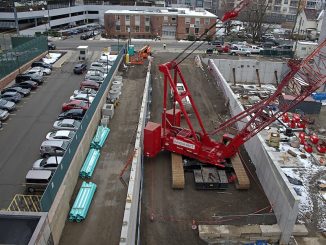
Walk the set location with the crane operator and lift director before outriggers go down. Confirm that the soil, pavement, or mat layout can take the governing outrigger reactions from the chart for the planned configuration—not the average of the site. Soft seams, trench backfill, and curb edges get their own callouts. If the lift plan assumed timber mats or composite pads and they are not on site yet, stop. Do not “try the pick light” on dirt the plan never approved.
Radius is where many first picks die. Measure from the crane’s center of rotation to the load’s center of gravity at the pick and at the set—not from the bumper and not by eye. Confirm boom length, jib, counterweight, and tire or outrigger configuration against the chart page the plan cites. If the measured radius is longer than the plan, the capacity you thought you had is gone. Either shorten the radius, change configuration with a revised chart check, or replan the pick.
Wind, visibility, and simultaneous operations belong in the same walkdown. Gust limits in the crane manual are not suggestions. If another crew will be under the swing path, the brief must either clear them or redefine the exclusion zone before the hook goes live.
Tag Lines, Exclusion Zones, and Who Speaks
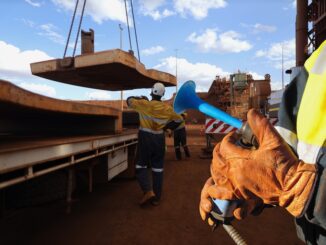
Agree on communication before the load leaves the ground. One designated signal person (or radio protocol that makes the same rule clear) keeps the operator from sorting competing voices. Hand signals should match ASME B30.5 conventions the crew actually uses; radios need a clear channel and a backup if the primary fails mid-swing.
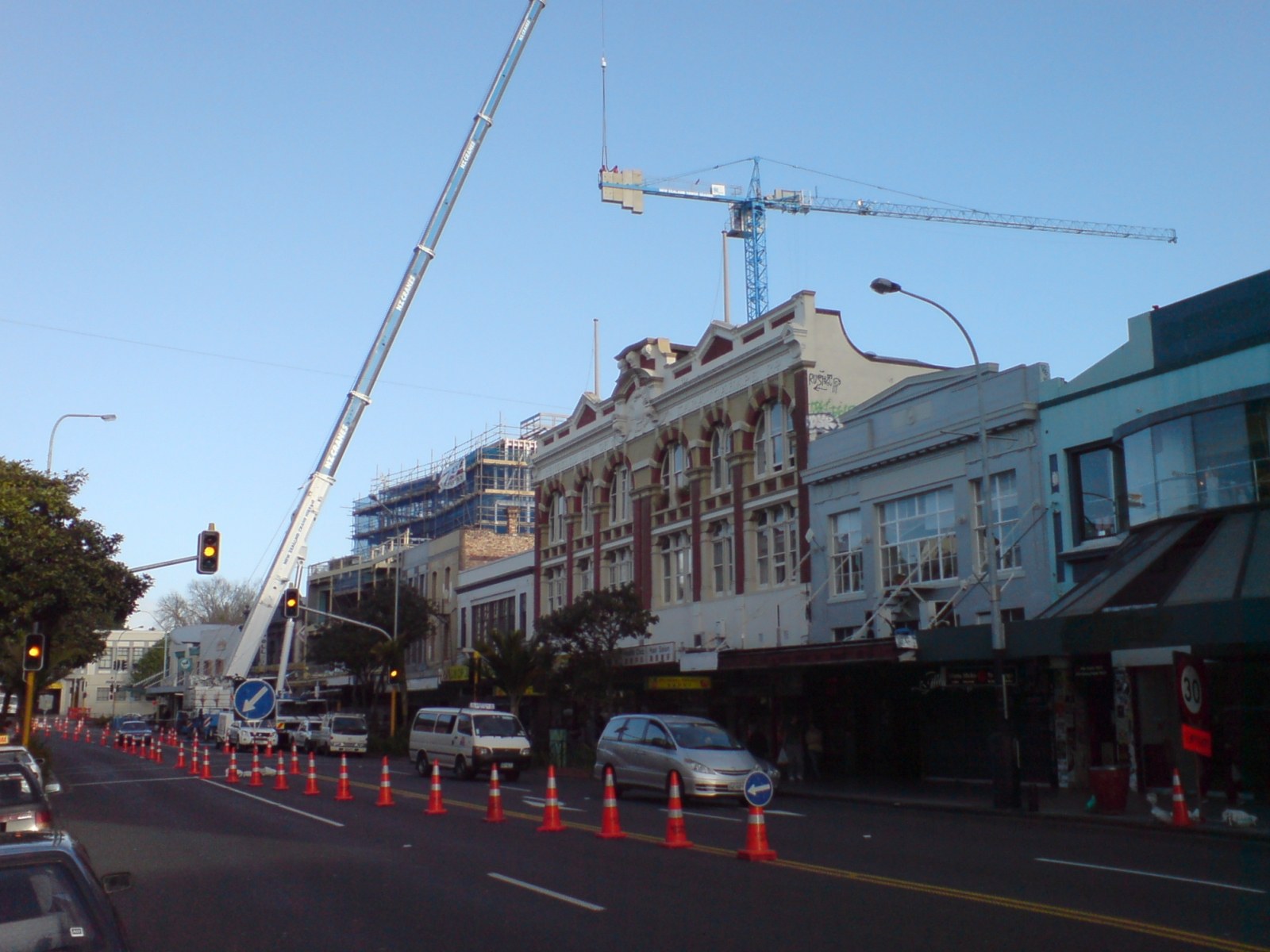
Tag lines control load spin and keep hands off the piece—but only if length, attachment points, and the number of taggers match the load. Two people fighting a single heavy tag line in a crosswind is not control. Plan where taggers stand so they stay outside crush zones and never under the load. If the piece will pass over a live walkway or adjacent trade, the brief must name who stops that traffic and how they confirm the path is clear.
Draw the exclusion zone on the ground if you can—cones, tape, or a simple chalk arc that matches boom swing. “Stay clear” without a visible boundary invites someone to walk into the radius with a tool cart. The brief should state who can enter the zone and under what conditions the lift pauses.
When the Plan Must Change Before the First Pick
Stop-work is cheaper than a near miss. Revise the plan on site when any of these show up: measured weight or CG differs from the paperwork; radius or configuration does not match the chart page; ground bearing assumptions fail the walkdown; weather exceeds limits; the below-the-hook gear on the truck is not what the plan called for; or a critical person from the brief is missing.
Contractors who work regularly with engineered below-the-hook gear and lift-plan review—teams such as Horizon Crane & Rigging—often catch method-statement gaps before steel moves. Your job in the brief is to surface those gaps early: wrong sling angles, missing softeners, a spreader beam that does not match the pick points, or a sequence that puts the heaviest radius first for schedule convenience.
Document the change. A verbal “we’ll just boom down a little” without a new chart check and a short written note leaves the next shift guessing. If the revision needs engineering or a new critical-lift designation under your company rules or OSHA 1926 Subpart CC, get that before the hook engages—not after the load is airborne.
A Briefing Sequence That Fits a Real Jobsite
Keep the meeting short and ordered so people remember it. Confirm attendance: operator, rigger(s), signal person, lift director or competent person, and the host superintendent. Walk the load: ID marks, weight, CG, pick points, and any sharp edges. Walk the crane: configuration, chart page, outrigger or crawler set, and mats. Walk the path: pick, swing, set, tagger positions, and exclusion zone. Confirm weather and stop criteria. End with one question everyone must answer out loud—what stops this lift—so silence does not equal agreement.
Photograph the outrigger set and the load as rigged when the pick is critical or when the client requires records. Those photos close arguments later about what the brief actually approved.
Rigging Gear Check Before Anyone Hooks On
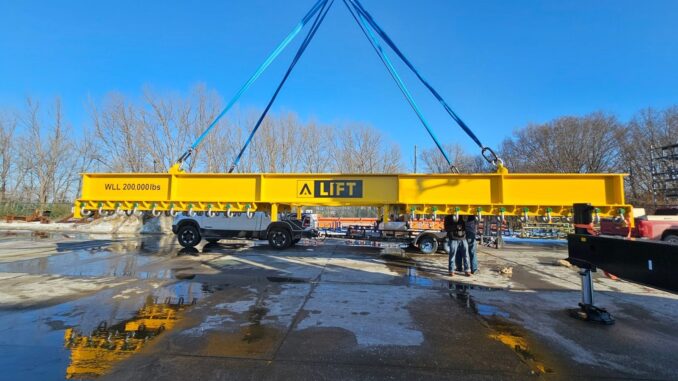
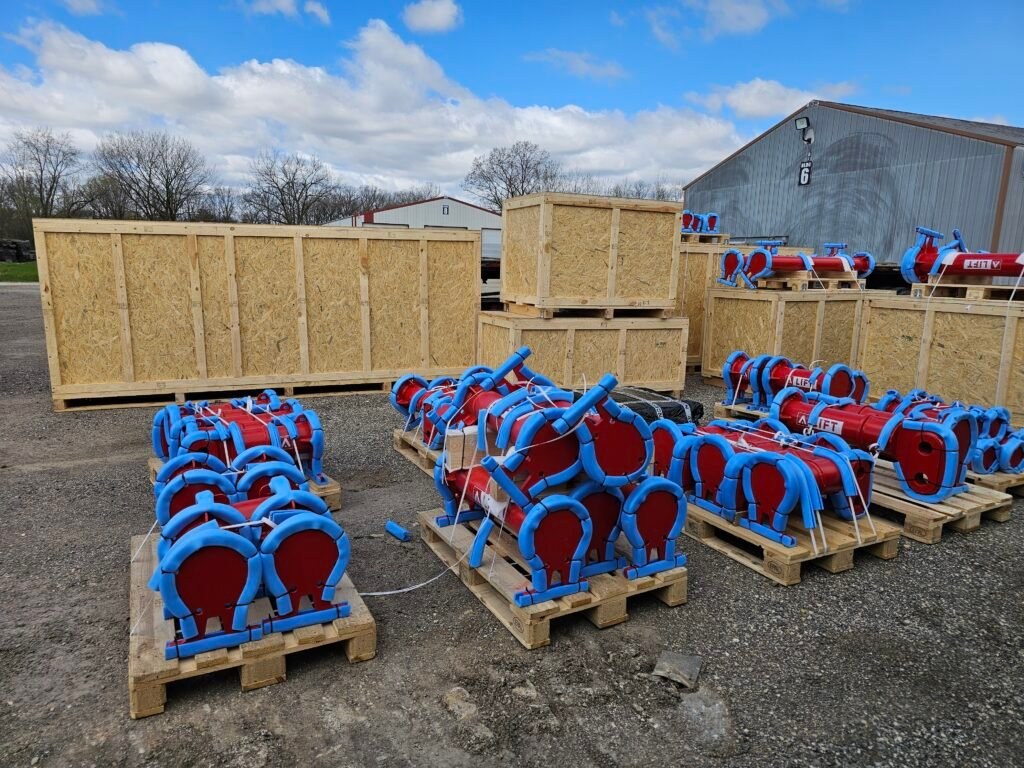
The brief should include a quick, visible check of the below-the-hook gear that will touch the load: sling type and length, angle assumptions, shackles, hooks, softeners, and any spreader or lifting beam called out in the plan. Match identification tags and working load limits to the pick. Reject wire rope with broken wires beyond allowables, synthetics with heat glaze or cut yarns, and hardware with spread or cracked fittings. If the truck brought a different beam than the plan sheet shows, stop and reconcile before the hook engages.
Pick-point geometry matters as much as capacity. Confirm padeyes, trunnions, or manufacturer lift points are the ones the plan used—and that softener pads protect finished surfaces where required. A clean first pick is often a rigging check that happened on the ground, not a lucky swing.
Final Thoughts
A mobile crane brief is successful when the first pick looks boring: radius matches the chart, pads match the reactions, radios are quiet except for one voice, and tag lines keep people clear of the load. Hand the crew real weights, real access, and real hazards before the truck rolls; verify ground and radius on arrival; and treat plan changes as required work, not as optional paperwork. The lift plan survives the first pick when the briefing does the hard verification before the hook takes weight.