














Haul trucks and loaders do not usually “wear out” tires in a neat, even pattern when cycles get long and hot. They cook them. Heat builds in the tread and undertread until compounds soften, belts separate, and a tire that still has usable depth fails from the inside out. The rating that keeps that from becoming a mystery is TMPH—ton-miles per hour (or TKPH in metric)—and it is the language site heat actually speaks.
This guide is a field how-to: what TMPH means in plain language, how load × speed × cycle length create heat, and what inflation, cool-down, compound, and site-layout habits stop heat separations before they strand a machine.
What TMPH (and TKPH) Actually Measure
TMPH is a work-and-heat index for OTR tires: average tire load (tons) multiplied by average speed (miles per hour) over the operating period that matters. TKPH is the same idea in metric tons and kilometers per hour. Manufacturers publish a maximum TMPH/TKPH for a tire size, construction, and compound. Your site has a required TMPH based on how you load, how far you haul, and how fast you move—including waits that look “idle” on a timesheet but still leave a hot carcass sitting in the sun.
TMPH is not a substitute for load index, ply/star rating, or cut resistance. A tire can be plenty strong for the static load and still be the wrong heat tool for a long, fast cycle. Conversely, a heat-capable compound can look “soft” on a short, rocky face where cutting dominates. Match the rating to the cycle—not only to the machine’s nameplate.
How Long Cycles Cook Tires
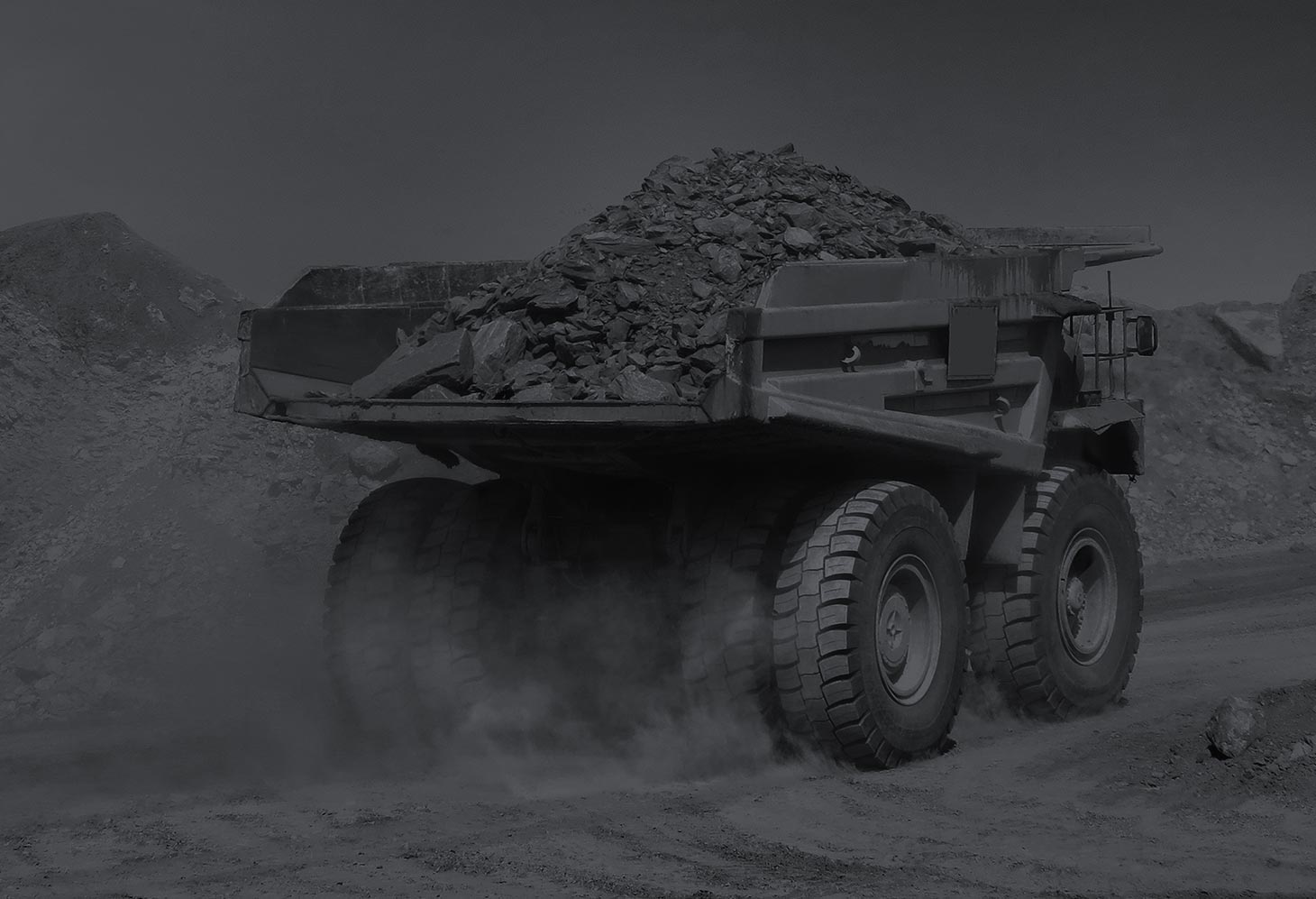
Rubber hysteresis turns repeated flexing into heat. Heavier average loads flex the footprint harder. Higher average speeds flex it more often per hour. Longer haul distances and steeper grades keep that flex happening with less recovery time. The undertread and belt package become a heat sink; when heat outruns dissipation, you get:
- Tread or belt separation—often with little warning on the outside
- Chunking and rapid wear once the compound is over-temperature
- Pressure rise that looks like “overinflation” but is heat expanding a tire that was already working too hard
- Sudden downtime on the longest cycle of the day, when the TMPH average finally peaks
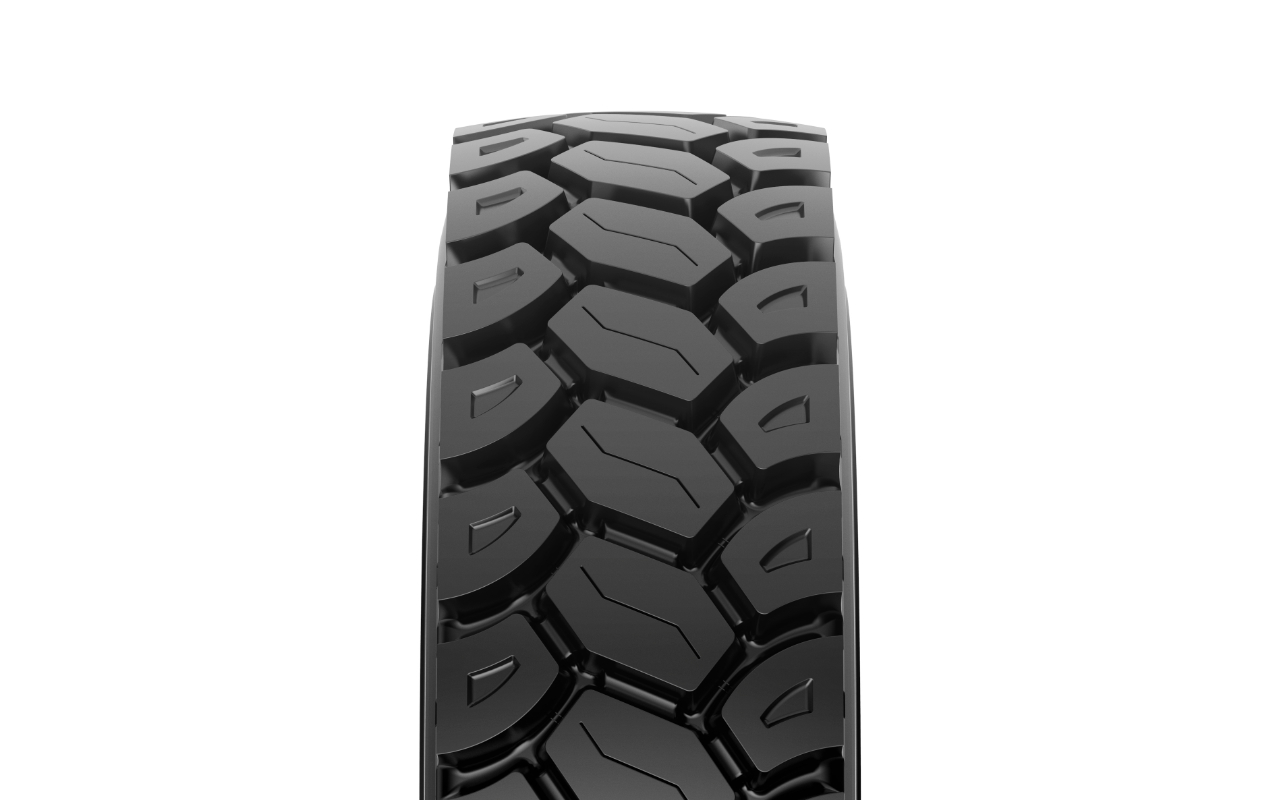
A deeper, more aggressive tread can still fail from heat. Lug mass that helps traction also stores heat. That is why high-TMPH patterns often use groove design and compound options aimed at cooler running—not only “more rubber.”
Calculating Site TMPH Without the Mystery
You do not need a lab to get a usable site number. You need honest averages:
- Average load on the tire—not the brochure payload. Weigh or estimate typical payloads, account for duals and axle distribution, and use the load the tire actually carries for most of the shift (empty return legs dilute the average; ignore them and you understate heat risk less than you think if loaded legs dominate time and flex).
- Average speed—total distance traveled divided by total operating time for the period, or a representative cycle time including loading, haul, dump, return, and queue. Speeding on the dump run and crawling in a queue both belong in the average.
- TMPH ≈ average load (tons) × average speed (mph) for that tire position’s duty. Compare to the tire’s published TMPH for the compound you are running.
Do the math per position when duty differs—steer vs drive, dual inners, loader fronts that see crowding loads. One “truck average” that ignores the hottest axle is how fleets keep buying the wrong SKU.
Manufacturers of radial OTR and mining lines—including MAXAM—publish TMPH/TKPH by size and compound so sites can match heat capacity to cycle length instead of guessing from tread depth alone.
Compound and Pattern: When to Change the Tire vs the Cycle
Compound options typically trade cut resistance against heat capacity. A cut-resistant package may carry a lower TMPH; a heat-resistant package raises the ceiling for long hauls. Pattern matters too: deep grooves and cooler-running designs help dissipate heat on high site TMPH roads, while ultra-aggressive rock patterns may prefer shorter, slower cycles.
Change the tire/compound when the site TMPH is consistently above the current tire’s rating even after you fix inflation, payload discipline, and obvious speed abuse. Change the cycle when haul length, grade, or wait time can be shortened—or when payload is quietly over the plan—because no compound rescues a site that keeps raising average load and speed every season.
Inflation Discipline Beats “Air Up Until It Looks Right”
Underinflation is a heat factory. The sidewall and footprint flex more than the design assumes, hysteresis climbs, and TMPH margin disappears even if the payload ticket looks fine. Overloading at “correct” pressure does the same math from the other side.
- Set cold pressures to the manufacturer’s table for the actual load—not a shop tradition number.
- Check pressures cold; treat a hot over-pressure as a symptom to investigate, not a reason to bleed down to the cold target mid-shift.
- Fix slow leaks and porous wheels before you blame compound.
- Keep duals matched; a soft inner dual turns its partner into an overloaded, overheating tire.
TPMS and scheduled wand checks are process controls, not luxury. Heat separations often start as chronic low pressure that nobody wanted to climb up and verify.
Cool-Down, Queues, and Site Layout
TMPH assumes a duty cycle. Parking a hot haul truck in a queue with brakes riding and engines idling does not “rest” the tire the way a true cool-down does. Practical habits:
- Stagger lunch and shift changes so the hottest units get real parked time off the haul—not bumper-to-bumper idle on a crowned road.
- Shorten the loaded haul with dump relocation, better face geometry, or one-way patterns that cut distance without raising speed.
- Manage grade and rolling resistance—soft spots, potholes, and washboard force torque and flex that do not show up in a flat-road speed average.
- Watch summer ambient and radiant heat—the same TMPH number is less forgiving when the carcass starts the shift already warm.
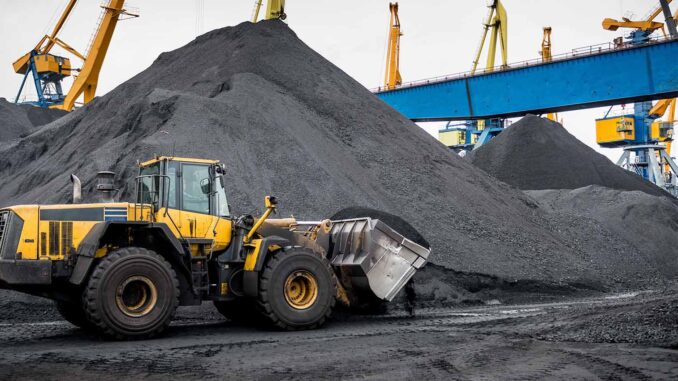
Loaders on long carry distances between face and truck are TMPH machines too. A “loading” tire run as a short-haul truck without a matching heat rating will cook on the carry even if the bucket never leaves the pit.
Warning Signs Heat Is Winning
- Rapid, uneven wear or chunking after cycles lengthen
- Persistent hot-pressure climb beyond normal operating rise
- Smell of hot rubber, sidewall blistering, or tread element cracking
- Recurring separations on the longest-cycle units first
- Operators reporting a “soft” feel when cold pressure was set correctly—often heat and structural damage, not a gauge error
Pull the tire and inspect when separation is suspected. Running to destruction to “finish the shift” is how one failure becomes a dual set and a recovery bill.
Field Checklist for Haul and Loader Fleets
- Map representative cycles: distance, time, payload, grades, and waits—for each tire position that works hard.
- Compute site TMPH and compare to the tire’s published rating for the compound on the rim.
- Verify cold inflation to load tables; fix dual match and leaks.
- If site TMPH is high, choose a higher-TMPH compound/pattern—or shorten/slow the cycle—before you only buy “tougher looking” tread.
- Build cool-down and queue discipline into the shift plan in hot months.
- Track failures by hour, cycle length, and position so heat problems stop looking like random bad luck.
TMPH will not make a bad haul road smooth or a overloaded truck legal—but it will tell you when long cycles are cooking tires that still have tread left. Treat load, speed, distance, inflation, and compound as one heat system, and haul-truck and loader rubber lasts the season instead of leaving belts in the road.