




View the complete article here.
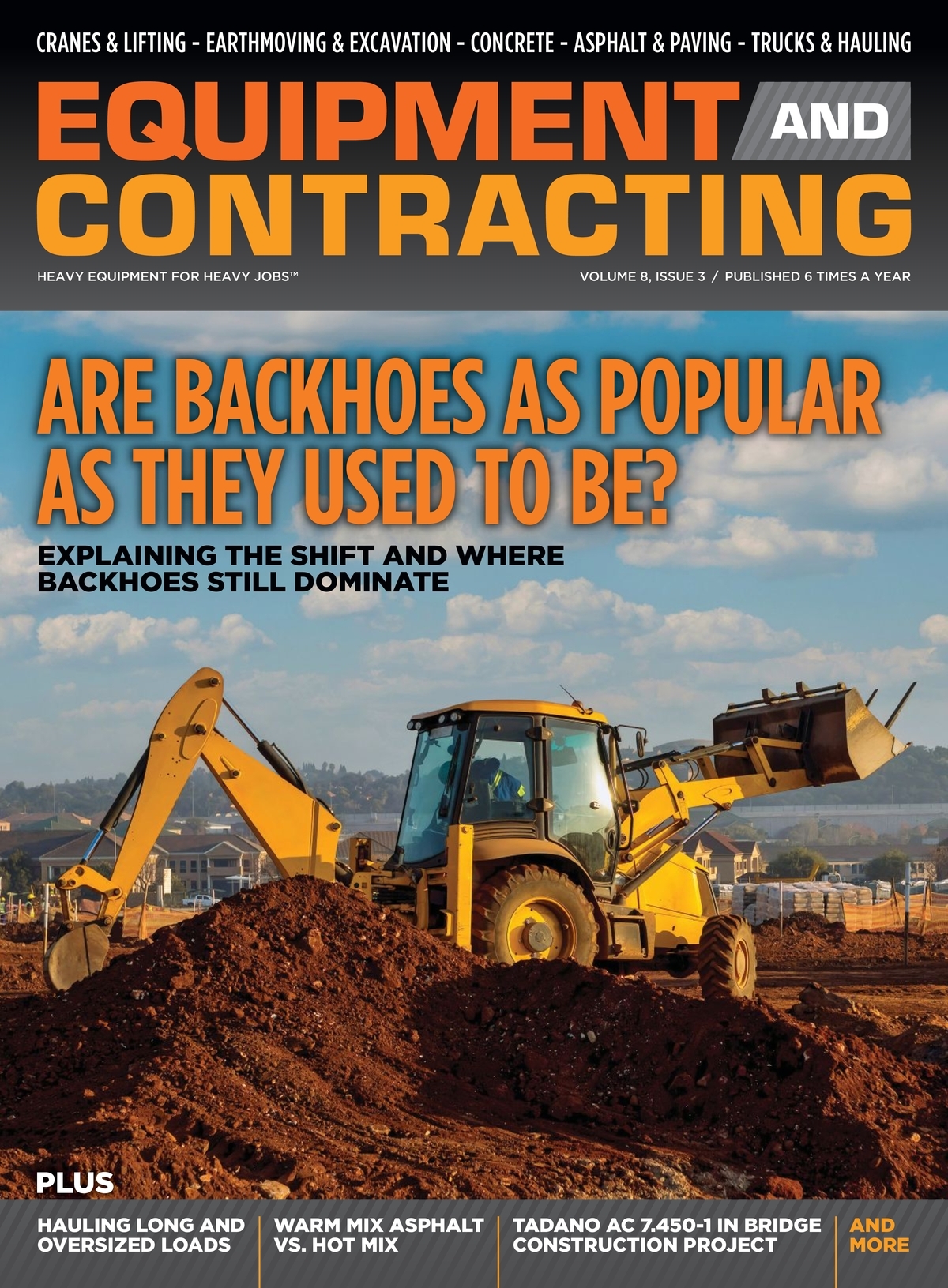
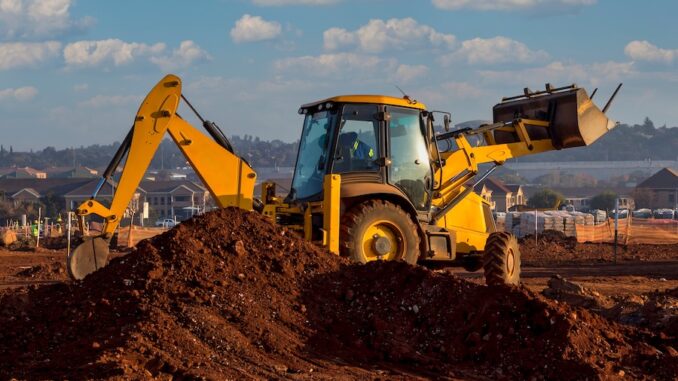
Contractors weighing fleet decisions in 2026 face a practical question: Does the traditional backhoe loader still deliver enough versatility to justify its place, or have specialized machines like mini-excavators and compact track loaders taken over most of its traditional work?
The conversation is not new, but the equipment landscape has continued to shift. Mini-excavators and compact loaders have gained significant ground for dedicated digging and material-handling tasks. At the same time, backhoe loaders retain clear advantages in specific applications—and major manufacturers continue to invest in the category with updated models and new features.
What’s Changing in 2026
Recent U.S. data shows the backhoe loader category remains active but smaller than its historical peak. In the 12 months ending April 30, 2026, 2,044 new financed backhoe loaders were sold, placing the category eighth among construction equipment types. Caterpillar led with 745 units, followed by John Deere with 709 and Case with 363.
Globally, the backhoe loader market continues to grow. Multiple industry forecasts project compound annual growth rates between 6% and 9% through the early 2030s, driven largely by infrastructure development in Asia-Pacific and other emerging regions.
In North America, sales volumes have declined from peaks more than a decade ago. The reasons are well documented: many contractors discovered they could achieve higher productivity by running a mini-excavator paired with a compact track loader or skid steer rather than relying on a single backhoe.
Why the Shift Happened
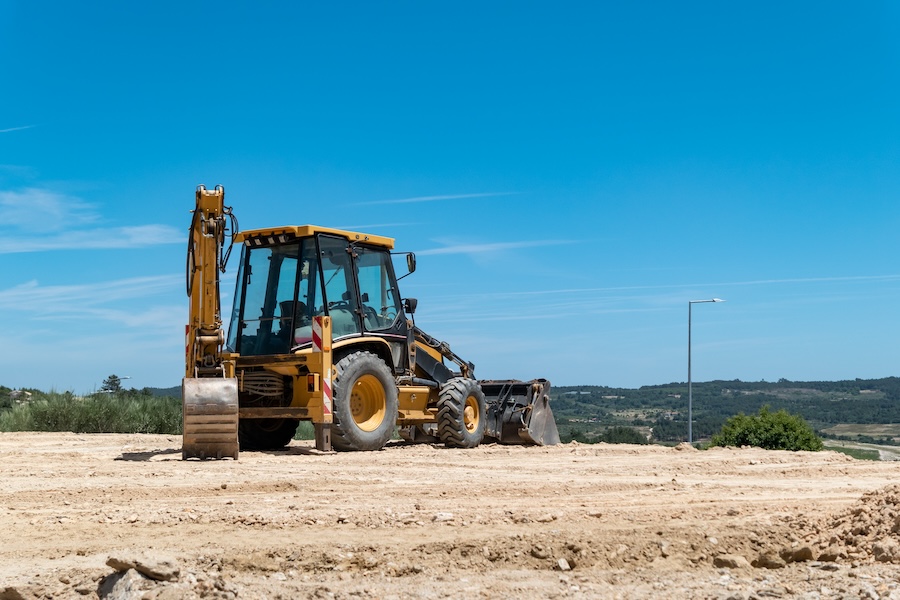
Mini-excavators generally dig faster and more efficiently than backhoes of similar size. They also tend to be easier to transport, use less fuel for pure excavation work, and perform better in confined spaces. Compact track loaders excel at loading, grading, and attachment work.
For many operations, the combination of a dedicated digging machine and a dedicated loading/attachment machine simply moves more material per hour and offers greater flexibility across different job types. This “two-machine” approach has become common, particularly among contractors doing higher-volume excavation or working on tighter urban sites.
Where Backhoe Loaders Still Make Sense
Despite the competition, backhoe loaders continue to deliver strong value in several common scenarios:
- Frequent short moves between sites: Backhoes can often travel on public roads at 20+ mph, reducing or eliminating the need for trailers and permits on certain jobs.
- Utility and municipal work: Repairing water lines, sewer work, and road maintenance frequently require quick switching between digging and loading—exactly what a backhoe is built for.
- Smaller contractors and owner-operators: One machine that can dig, load trucks, backfill, and move between jobs without additional equipment or operators remains attractive when capital and labor are limited.
- Mixed daily workflows: Jobs that involve both excavation and material handling throughout the day often favor the backhoe’s integrated design.
In these situations, the backhoe’s versatility can reduce the total number of machines and people needed on site.
Cost and Productivity: Backhoe Loaders vs. Mini + Compact Combos
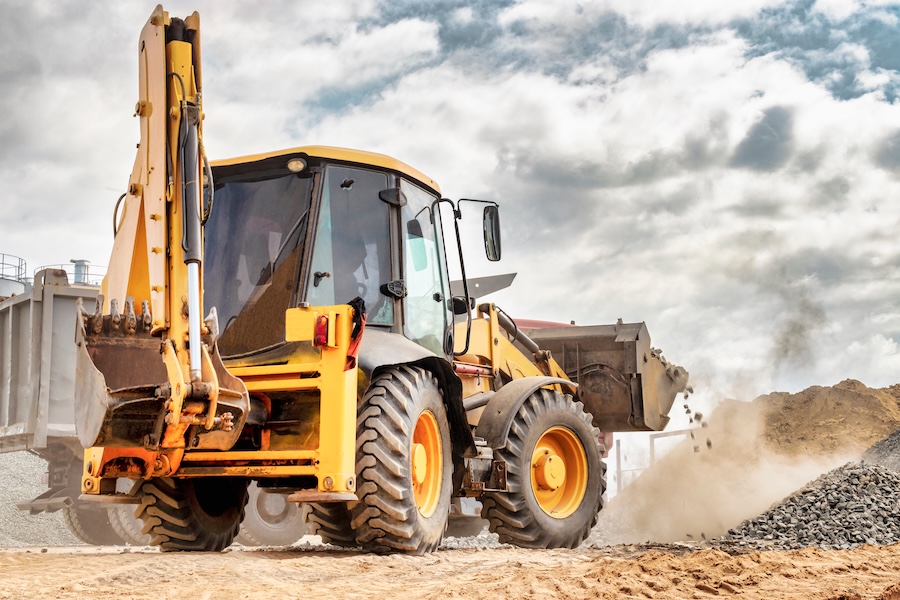
When comparing ownership costs and productivity, the picture is nuanced. Mini-excavators generally move more material per hour when the primary task is digging or trenching. They also tend to burn less fuel during excavation work and are easier and cheaper to transport between sites.
However, backhoe loaders can offer advantages in total job cost on certain projects. A single machine that can dig, load trucks, backfill, and travel between nearby jobs under its own power can reduce the need for multiple machines and operators. For contractors doing utility work, road maintenance, or smaller projects with varied daily tasks, this versatility can improve overall utilization and lower the cost per job.
The best choice often comes down to how the machine will actually be used. High-volume excavation work usually favors specialized compact equipment, while mixed-task days and frequent short moves between sites can still favor the backhoe.
Manufacturers Continue to Invest
Major brands have not walked away from the category. Recent model updates focus on the areas contractors care about most: operator comfort, visibility, hydraulic performance, and easier maintenance.
John Deere introduced significant cab and control upgrades across its P-Tier backhoe line. Caterpillar refreshed its larger models with improved hydraulics and machine control options. JCB launched next-generation 3CX and 4CX models with transmission and cab enhancements. Case added the 580EV electric backhoe to its lineup. These investments signal that manufacturers still see viable demand and are working to keep the machines competitive.
Practical Considerations for Fleet Decisions
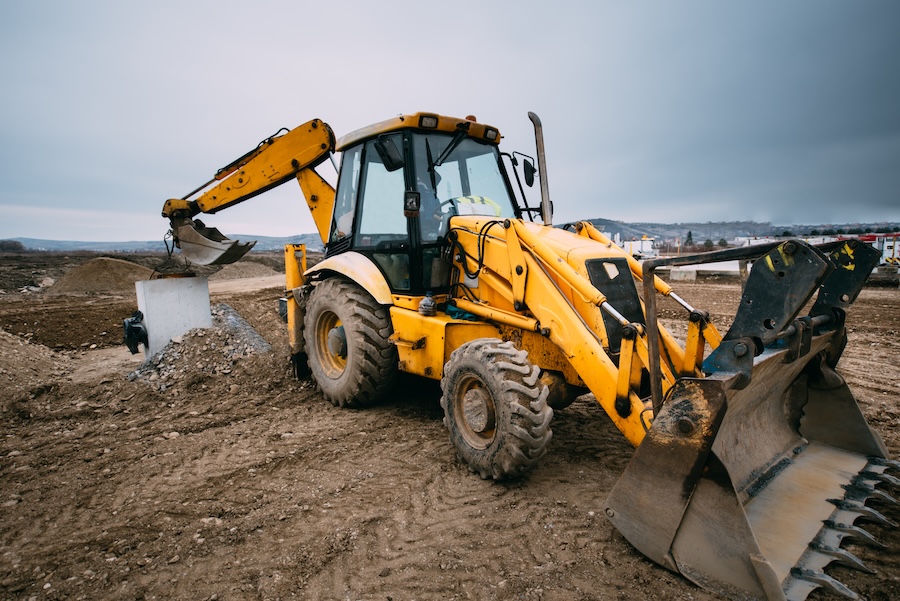
When evaluating whether a backhoe loader fits your operation, the key is matching the machine to your actual work mix rather than following general trends.
Ask these questions:
- How often do crews need to move between multiple jobs in a single day?
- Is road travel without a trailer a meaningful time or cost saver?
- Do typical jobs require frequent switching between digging and loading?
- How important is minimizing the number of machines and operators on smaller projects?
Many successful contractors run mixed fleets—using backhoes for utility and road crews while deploying mini-excavators and compact track loaders for production excavation and site work. The goal is choosing the right tool for the predominant type of work rather than trying to make one machine do everything.
The Bottom Line
The backhoe loader has moved from being the default “Swiss Army knife” on many job sites to occupying a more defined role. In applications where its combination of digging capability, loading performance, and mobility delivers clear efficiency gains, it remains a productive and cost-effective choice. In high-volume excavation or highly specialized tasks, dedicated compact equipment often provides better results.
For contractors, the decision ultimately comes down to analyzing their specific job patterns, transport needs, and labor situation. The category is smaller than it once was, but it is far from irrelevant—and manufacturers are still refining the machines to serve the applications where they perform best.
View the complete article here.

Are backhoe loaders still worth buying in 2026?
Yes, backhoe loaders remain a cost-effective choice for utility work, mixed-task projects, and jobs requiring frequent travel between sites.
Is a backhoe loader or a mini excavator better for digging?
Mini excavators generally dig faster and more efficiently, while backhoe loaders offer greater versatility by combining digging and loading in one machine.