






















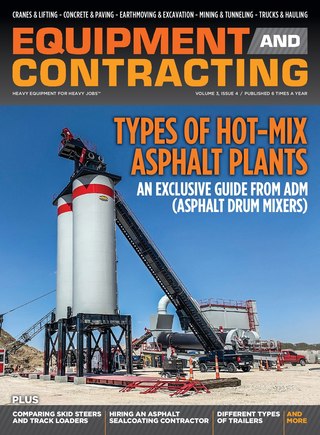








View the complete article here.
For decades, hot mix asphalt (HMA) has been the standard for road construction and pavement rehabilitation. In recent years, however, warm mix asphalt (WMA) has gained significant traction. While both materials serve the same basic purpose, the differences in production temperatures, workability, environmental impact, and long-term performance can influence which option delivers better results on a given project.
Understanding when to use each—or when to make the switch—has become an important decision for asphalt contractors.
What Is Warm Mix Asphalt?
Warm mix asphalt is produced and placed at significantly lower temperatures than traditional hot mix asphalt—typically 30°F to 100°F cooler. This is achieved through the use of additives, foaming processes, or chemical modifiers that improve the coating and workability of the asphalt binder at lower temperatures.
The goal of WMA is to maintain (or even improve) the performance characteristics of hot mix while reducing energy use, emissions, and some of the operational challenges associated with high-temperature paving.
Key Advantages of Warm Mix Asphalt
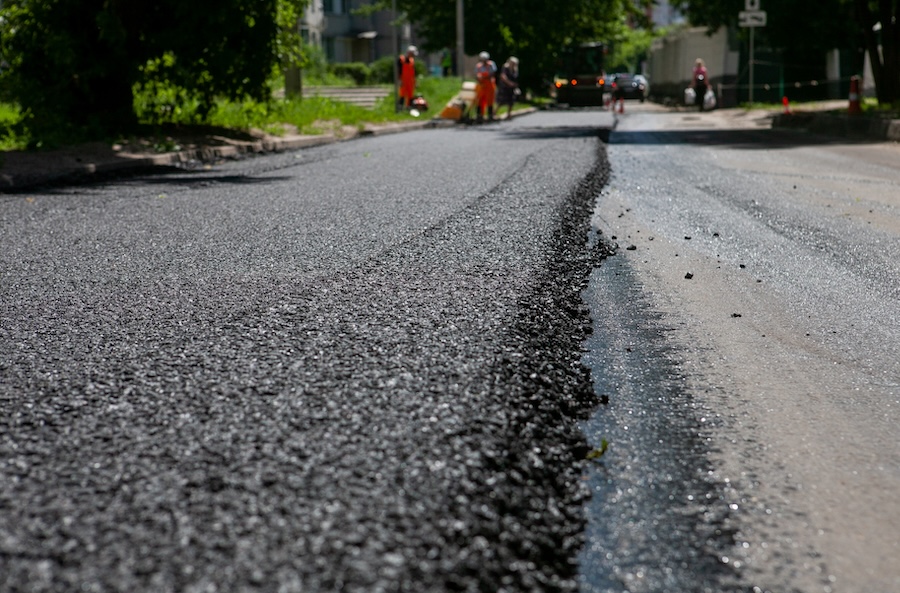
Warm mix asphalt offers several practical benefits that can influence project planning and execution:
- Extended haul distances and workability: Because the mix stays workable longer, contractors can haul material farther without sacrificing compaction quality. This is especially useful on large or rural projects.
- Longer paving seasons: WMA can be placed successfully in cooler temperatures, allowing contractors to extend their working season into early spring and late fall.
- Improved compaction: Many contractors report that warm mix achieves better density with less rolling effort, which can improve productivity and pavement longevity.
- Reduced emissions and fuel use: Lower production temperatures mean less fuel consumption at the plant and fewer emissions on the job site—an increasingly important factor for public projects and sustainability requirements.
- Higher recycled content: WMA generally allows for higher percentages of reclaimed asphalt pavement (RAP) without compromising mix quality.
- Worker safety and comfort: Lower temperatures result in fewer fumes, creating a safer and more comfortable environment for paving crews.
Limitations of Warm Mix Asphalt
Despite its advantages, warm mix asphalt is not always the best choice. Some limitations include:
- Higher material costs: Additives and specialized processes typically increase the cost per ton compared to conventional hot mix.
- Agency acceptance: Not all owners and specifying agencies have fully embraced WMA, particularly on high-traffic highways where long-term performance data is still being evaluated in certain regions.
- Quality control sensitivity: Some WMA technologies require tighter control of mix temperatures and additive dosing. Poor execution can lead to stripping or moisture damage.
- Performance in extreme conditions: In very hot climates or on extremely high-traffic routes, some contractors and agencies still prefer traditional hot mix for maximum rut resistance and durability.
When Hot Mix Asphalt Still Makes Sense
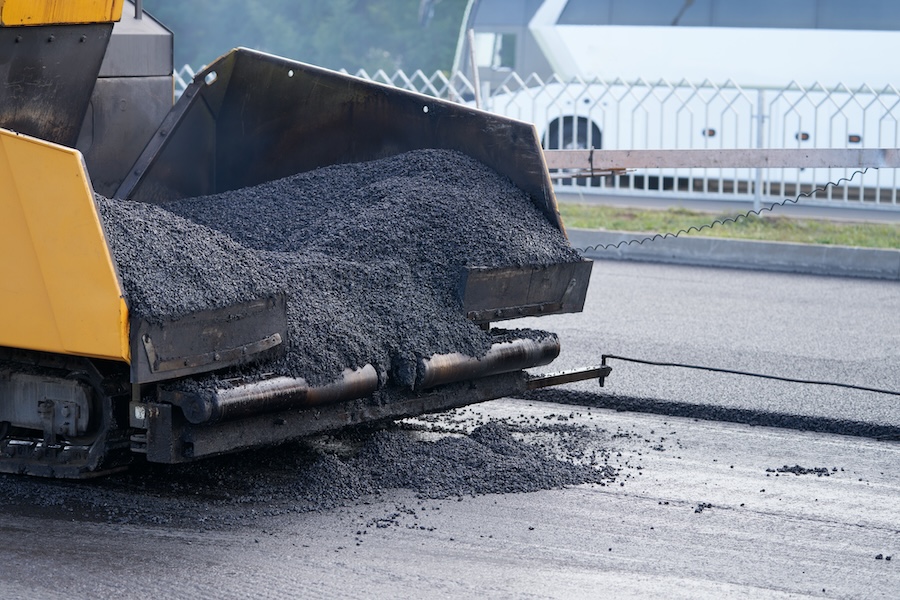
Hot mix asphalt remains the better option in several situations:
- Projects with very high traffic volumes where maximum stiffness and rut resistance are critical.
- Work for agencies that have not yet approved warm mix specifications or that have had negative experiences with certain WMA technologies.
- Situations where material cost is the dominant factor and the project does not benefit from WMA’s other advantages (such as long hauls or cool-weather paving).
- When the paving crew has extensive experience with hot mix and limited experience with warm mix production and placement.
When Contractors Should Consider Switching to WMA
Contractors often see the strongest return on warm mix asphalt when one or more of the following conditions exist:
- The project involves long haul distances from the plant to the job site.
- Paving must occur during cooler months or at night.
- The project has strict environmental or emissions requirements.
- The mix design includes high percentages of RAP.
- The contractor wants to improve crew working conditions or extend the paving season.
- The owner or agency offers incentives for using sustainable paving practices.
Many contractors also find that once their crews become comfortable with warm mix, the improved workability and compaction characteristics can lead to higher daily production rates.
Making the Decision
The choice between warm mix and hot mix should be driven by project-specific factors rather than general trends. Contractors who regularly work on long-haul or cool-weather projects often benefit from transitioning at least part of their operation to warm mix. Those who primarily do high-traffic highway work in favorable weather conditions may see less advantage in making the switch.
A practical approach for many companies is to start with pilot projects using warm mix on lower-risk jobs. This allows crews to gain experience with the material while evaluating real-world differences in cost, productivity, and pavement performance.
Bottom Line
Warm mix asphalt is no longer an experimental product—it is a proven alternative that offers clear advantages in the right situations. However, it is not automatically better than traditional hot mix on every project. Contractors who carefully evaluate haul distances, weather conditions, agency requirements, and total project costs are best positioned to decide when making the switch makes good business sense.
View the complete article here.

What are the main benefits of warm mix asphalt compared to hot mix asphalt?
Warm mix asphalt reduces fuel use and emissions while improving workability, compaction, and paving in cooler weather.
When should contractors choose hot mix asphalt instead of warm mix?
Hot mix asphalt is often the better choice for high-traffic roads, very hot climates, or projects with strict agency requirements.