


































When a lane is failing from the surface down into the base, the default reflex is still mill, haul, dump, import new aggregate, and pave. That sequence works—but every ton trucked off-site burns fuel, schedule, and budget before a single ton of new mix lands. Cold-planing and reclaiming asphalt in place flips the logistics: pulverize the distressed pavement (and often a measured thickness of underlying base), leave a workable recycled material on the roadway, then shape, compact, and surface it. The haul trucks do not disappear entirely, but they stop owning the day.
This guide walks through depth control, reclaim reuse, base preparation after pulverizing, and the moments when full remove-and-replace still wins—so crews can choose the right fix instead of defaulting to the plant for every distressed ton.
Cold-Plane vs Reclaim In Place: Know Which Job You Are On
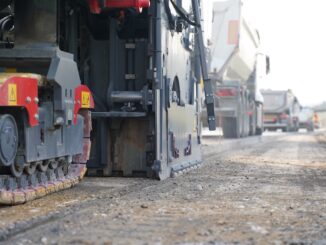
Cold planing (milling) typically removes a controlled thickness of asphalt and loads the reclaimed asphalt pavement (RAP) into trucks for plant recycle or stockpile. In-place reclaiming—especially full-depth reclamation (FDR)—pulverizes the asphalt and a predetermined depth of underlying material, blends it on the roadbed, and leaves a homogeneous base ready for compaction and a new wearing course. Agencies and FHWA guidance commonly describe FDR as treating the full asphalt section plus underlying material to produce a stabilized base, often in the roughly 4- to 12-inch depth band depending on structure and design.
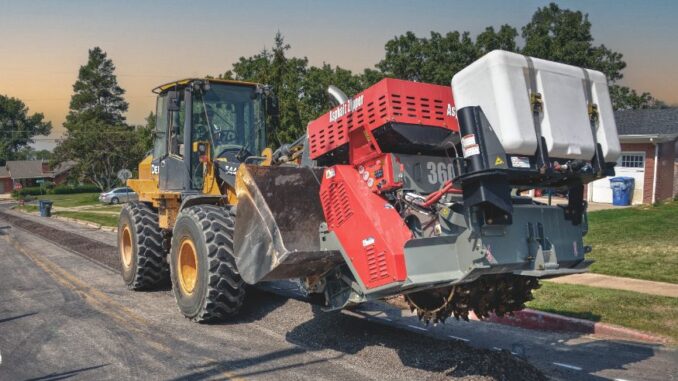
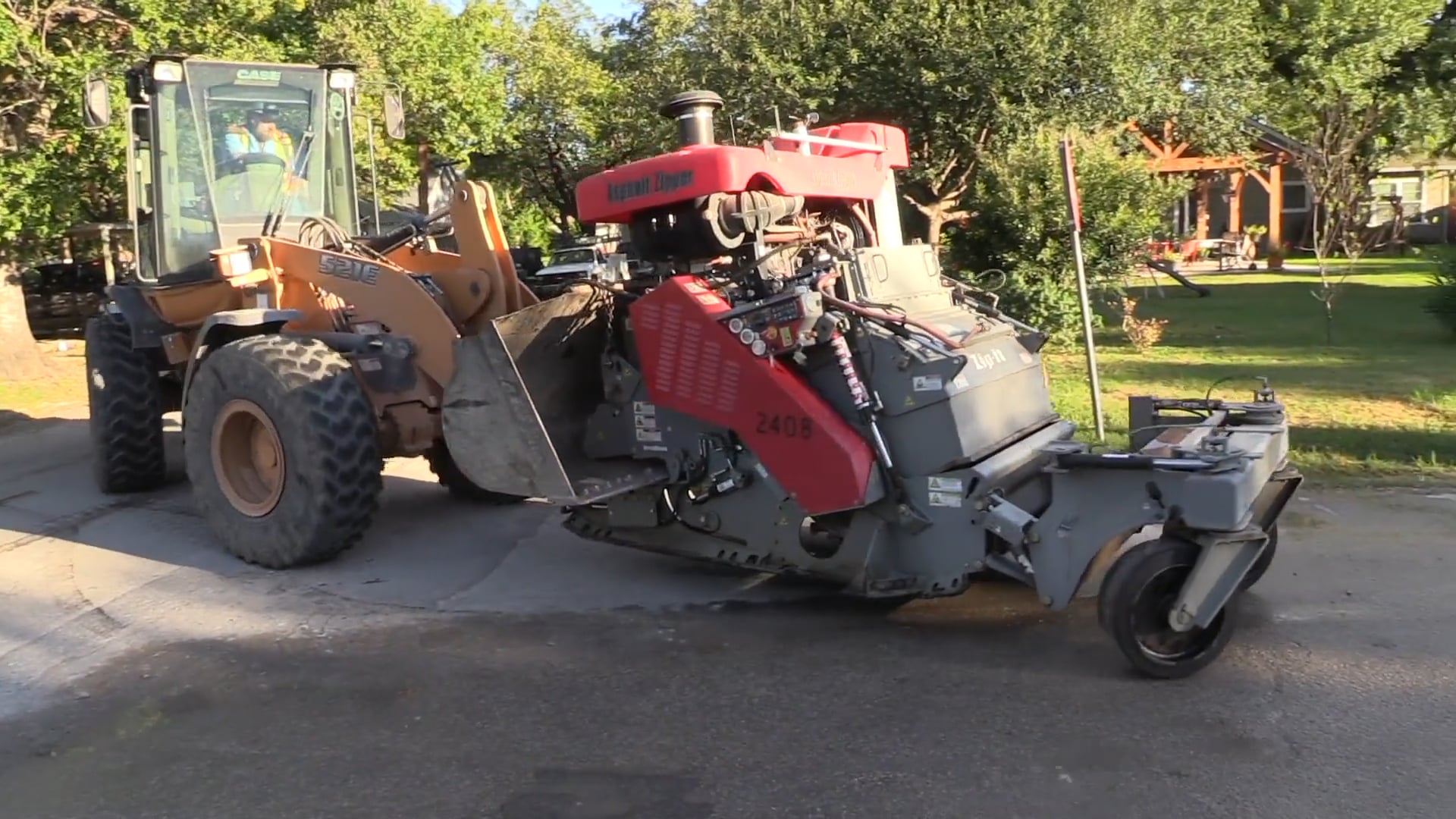
Both start with a rotating cutting drum and depth control. They diverge on destination: mill-and-haul exports the material; reclaim keeps it working under traffic after shaping and surfacing. Attachment-style reclaimers that couple to a loader or backhoe sit in the same family as dedicated reclaimers—the operating discipline (depth, gradation, moisture, compaction) still decides whether the recycled base performs.
Match Cut Depth to the Distressed Lift—Not to Convenience
Guessing depth is how you either leave a rotten lift under a pretty new surface or cut into soft subgrade that cannot carry the reclaim train. Before the first production pass:
- Map distress. Alligator cracking that reaches full depth, rutting tied to base failure, and pumping fines point to structural work—not a thin mill-and-fill.
- Core or dig test pits so you know asphalt thickness, base type, and whether the subgrade is wet, organic, or otherwise unsuitable to leave in the blend.
- Write a target reclaim depth that captures the failed asphalt and enough sound base to build a uniform layer—without mining soft subgrade into the mix.
During a test section, verify actual cut depth against the target. FHWA FDR checklists emphasize confirming the drum can hold tolerance, that teeth are intact, and that longitudinal overlap (often on the order of several inches) prevents unpulverized strips between passes. If grade is locked by curb, utilities, or adjacent pavement, account for the volume gain from pulverization and any stabilizer—pre-milling a skim to create room is a common field move when the section will grow.
Reclaim Reuse: Gradation, Moisture, and When Additives Earn Their Keep
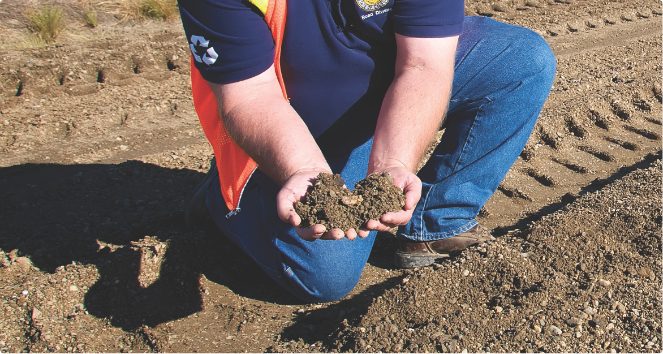
Pulverized asphalt blended with existing base can become high-quality recycled material for the new structure—but only if the gradation is controlled and the layer is compacted near optimum moisture. Rotor speed, forward speed, and tooth condition influence particle size; chasing production while leaving slabs and chunks guarantees soft spots after the roller.
Stabilization choices follow the materials and traffic:
- Mechanical—add aggregate or RAP when the blend needs better particle packing.
- Bituminous—emulsified or foamed asphalt for flexible binding when the design calls for it.
- Chemical—cement, lime, fly ash, or kiln dust when plasticity, moisture sensitivity, or strength targets demand it.
None of those products fix a soft subgrade that should have been undercut. If the reclaim train shows pumping or deformation that moisture and aeration will not cure, stop and repair the subgrade—displace the pulverized material, fix below, then replace and treat. Drainage problems that keep feeding water into the section will outlast any clever additive.
Equipment that pulverizes and leaves material in place—including loader-mounted reclaim attachments such as those offered by Asphalt Zipper—is only as good as the depth plan and compaction that follow. The machine creates the particles; the crew creates the base.
Shape, Compact, and Surface: The Half-Day After the Drum
After pulverizing, the roadway is a loose, higher-volume layer. Grade it to profile before you chase density. Typical sequencing uses breakdown rolling (often pad-foot or sheep’s-foot on thicker reclaim), intermediate shaping with a motor grader, and finish rolling to density and smoothness targets in the specification. Moisture content near optimum is non-negotiable; too dry and you get a soft, open mat, too wet and the section pumps and ruts under the roller.
Curing and traffic control depend on the stabilizer and agency requirements. Emulsion- and cement-stabilized sections need the cure window the design assumes—opening early to haul trucks is a common way to destroy a reclaim that looked perfect at 3 p.m. The wearing course (hot mix, warm mix, chip seal, or other approved surface) is not optional cosmetics; it sheds water and provides the friction and ride the reclaim base cannot supply alone.
When Full Remove-and-Replace Still Wins
In-place reclaim is not a universal solvent. Plan mill-and-haul or excavate-and-replace when:
- Subgrade is the failure—organic soils, severe pumping, or voids that cannot be corrected inside the reclaim depth.
- Contamination—oil spills, chemical saturation, or unsuitable debris that must leave the site.
- Geometry and utilities—tight urban sections where reclaim width, dust, or vibration conflict with constraints the design cannot absorb.
- Thin distress only—surface oxidation or shallow cracking that a mill-and-overlay or preservation treatment will solve without rebuilding the base.
- Specification mandates—some owners still require plant mix for the structural layer regardless of reclaim economics.
Honest estimating compares trucking, disposal, imported base, and downtime against pulverize-in-place production—not wishful “we always reclaim.” A short test section with density and gradation checks beats a full-lane surprise.
Field Checklist Before You Commit the Lane
Walk the job with the operator and superintendent using a short, written plan: target depth and how it will be verified; tooth and drum readiness; water for dust and tool cooling when needed; overlap and pass sequence so longitudinal joints miss wheel paths when possible; moisture and compaction method; stabilizer type and rate if used; cure and surfacing schedule; and a stop-work trigger for soft subgrade. Utility locating and trench plates still apply—reclaiming through an unmarked main is not recycling, it is a claim.
For utility cuts and trench plate recessing, the same depth discipline matters at a smaller scale: clean edges, reusable material kept on site when specs allow, and a compacted backfill/base that does not settle under the first winter.
Final Thoughts
Write the depth, moisture, and surfacing plan where the operator can see it—and stop the train when the subgrade answers differently than the cores predicted. Reclaim rewards discipline more than horsepower.
Cold-planing and reclaiming asphalt in place succeed when depth matches the distressed structure, the pulverized material is graded and compacted like engineered base, and the crew knows when the subgrade—not the asphalt—is the real patient. Hauling every ton to the plant remains the right call for contamination, deep subgrade failure, and thin surface-only distress. Everywhere else, keeping reusable material on the roadbed cuts trucking and rebuilds support where traffic actually loads the pavement. Treat reclaim as a controlled process—cores, test strips, moisture, density—not as a faster way to make dust—and the overlay that follows has a base worth paving on.