


















Spec’ing a water truck body for dust control and compaction watering is less about buying the biggest tank that fits the chassis and more about matching gallons to acres and haul distance, choosing spray hardware that covers roads versus pads, and keeping baffles and PTO choices honest when the tank is half full. A truck that looks busy on the lot can still waste loads, create mud lakes, or scare drivers when water surges on a hard stop. This guide is a contractor- and rental-fleet checklist for water bodies used on construction sites—not a dump-body selection guide.
The focus here is mounted water tanks and ready tank kits used for dust control, haul-road watering, and compaction support. It is not a fire-apparatus or agricultural irrigation design brief. Get tank sizing, spray bars and cannons, baffle and PTO stability, watering rates, and winterization habits right before you argue paint color or beacon preference.
Sizing Tank Capacity to Acres and Haul Distance
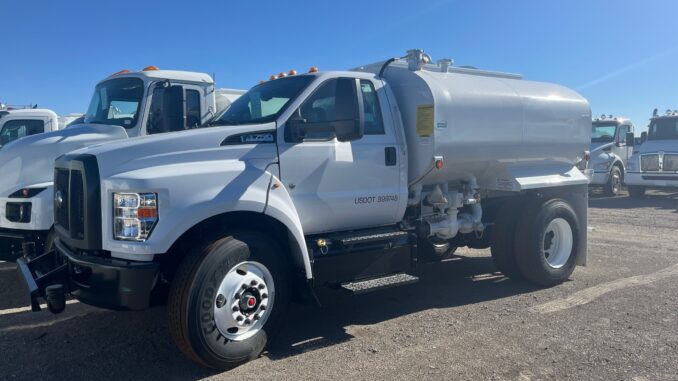
Tank marketing leads with gallons. Jobsites care about how often the truck disappears to refill. Common contractor and rental packages cluster around roughly 2,000-gallon and 4,000-gallon steel tanks mounted on medium- and heavy-duty chassis—capacities that can read less than advertised once baffles, plumbing, and freeboard are accounted for. A 2,000-gallon body on a short municipal pad with a nearby fill hydrant behaves very differently from the same body on a remote earthwork site where the fill is a twenty-minute round trip.
Size from the densest watering day, not the average. Estimate acres of road and pad you must wet per shift, the application rate the superintendent actually wants, and the round-trip time to fill. If one 2,000-gallon load covers only a fraction of the morning dust cycle after haul time, you need a larger tank, a second truck, or a closer fill—not a harder driver. Rental fleets often standardize on popular 2,000-gallon ready kits because they fit a wide chassis range and turn faster between renters; dedicated earthwork fleets with long internal roads may justify 4,000-gallon packages to cut trips.
Chassis GVWR and axle ratings still rule. Water weighs about 8.34 lb per gallon; a nominally full 2,000-gallon tank is on the order of 16,000-plus pounds of water alone before steel, plumbing, and the truck’s own curb weight. Confirm the completed truck stays legal on the axles you will actually use—including when the tank is full and the spray bars are wet. Over-filling past design capacity to “make fewer trips” is how springs and brakes retire early.
Spray Bars, Cannons, and Rear Nozzles for Roads vs Pads
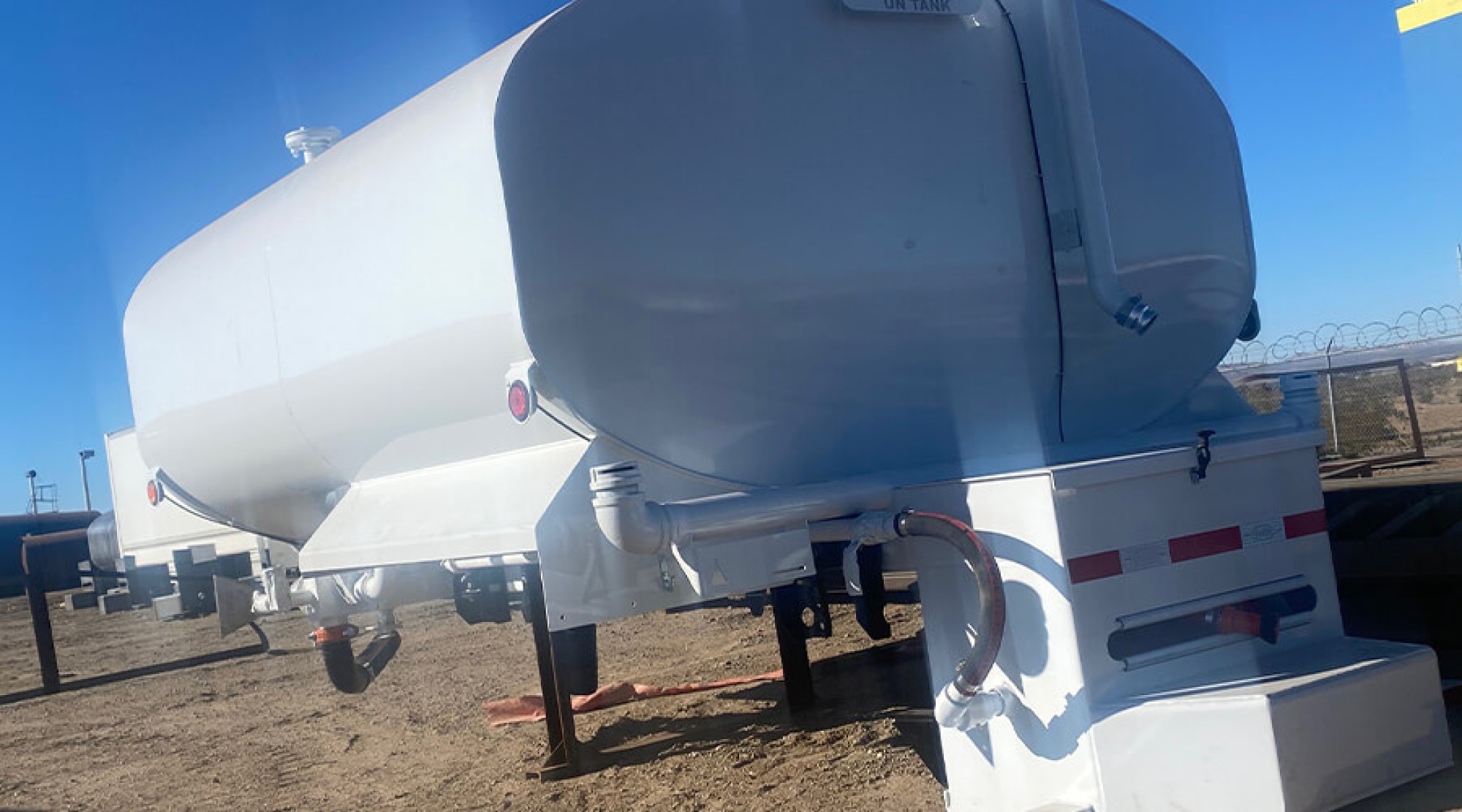
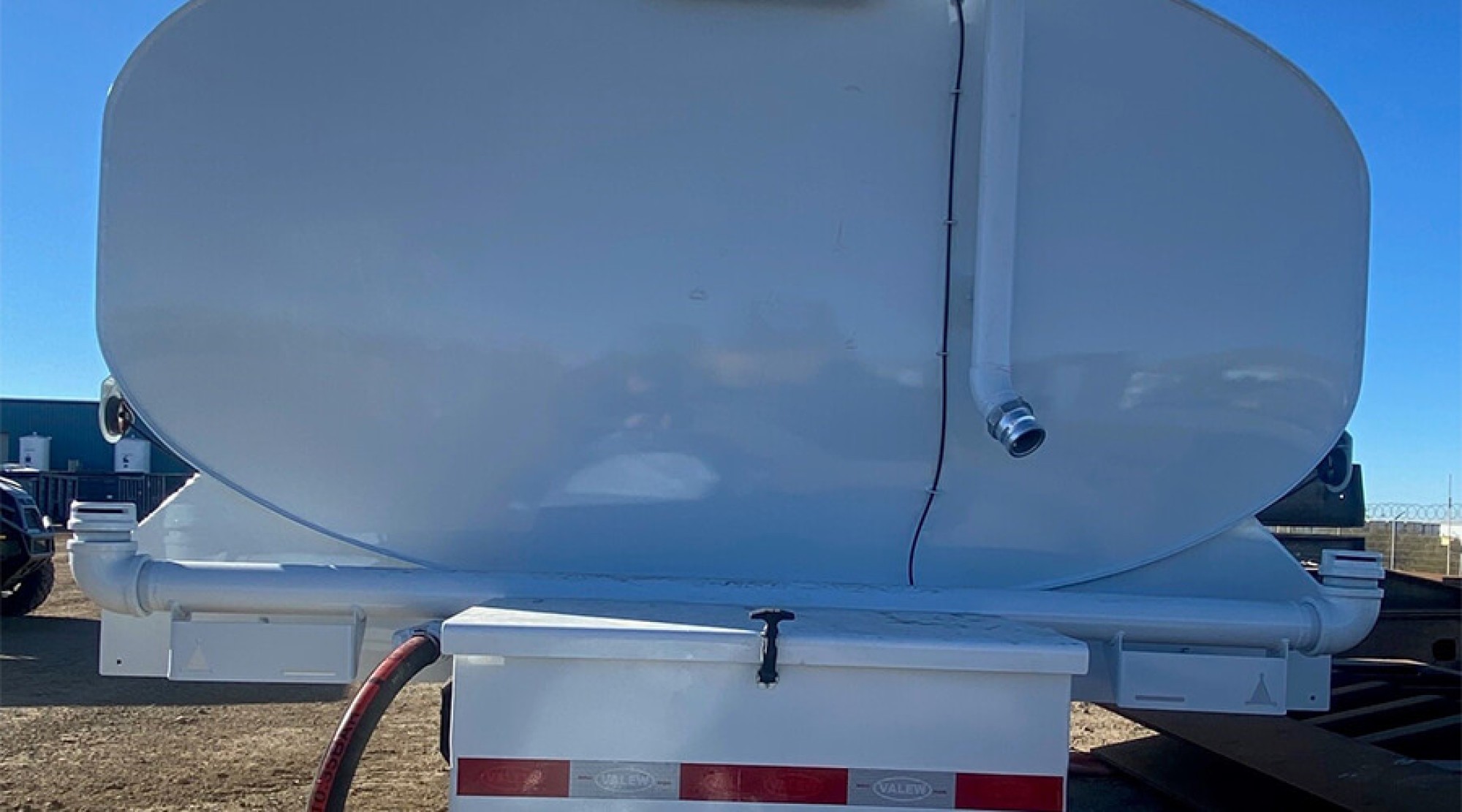
Spray hardware decides whether water lands where the dust is. Typical ready tank packages combine a front spray bar, a rear spray bar with multiple spray heads, and a side spray assembly so drivers can wet a lane edge without climbing out. Hose outlets, hose reels, and plumbing for a water cannon cover spot treatments, trench faces, and stockpile flanks that a bar cannot reach. Independent air-control valves on many packages let the operator open front, rear, and side circuits selectively instead of flooding everything at once.
Match the pattern to the surface. Haul roads want even bar coverage at travel speed without creating a slick that sends the next articulated truck sideways. Pads and fine-grading areas often need slower, heavier applications—or a cannon/hose for edges—without puddling into the lift. Street flushing and wide fan heads belong on the days you are cleaning, not on the days you are trying to hold moisture in a subgrade. Carry spare spray heads and know which orifice you have installed; a plugged head on one side of a bar is how one wheel path stays dusty while the other turns to mud.
Pump choice matters as much as nozzle choice. Hydraulic-driven centrifugal pumps sized to the manifold are common on ready kits; they need a correctly matched PTO and hydraulic circuit, not a leftover pump from another body. If the pump cannot keep pressure at the far nozzle while the truck creeps, the bar pattern collapses and crews compensate by driving slower and dumping more gallons than the rate plan called for.
Baffle and PTO Choices That Keep Trucks Stable When Half-Full
A half-full water tank is a liquid pendulum. Without effective baffling, hard braking and lane changes send water surging forward and sideways—exactly when the driver needs traction and steering the most. Internal baffle systems exist to break that surge into smaller compartments. Modern replaceable composite baffle designs on some manufacturer packages are built as modular units (on the order of tens of gallons each, with counts scaling by tank size) that bolt in for service instead of requiring a full confined-space steel cut-out when a baffle fails. Lighter baffle designs also reclaim payload compared with heavy all-steel internals—useful when every gallon of capacity competes with chassis weight limits.
PTO selection is a stability and reliability issue, not only a pump issue. Hot-shift PTOs matched to the transmission let operators engage the water pump without awkward clutch habits; the wrong PTO for the transmission is how rental fleets inherit early failures and “the pump only works in third” folklore. Keep engagement procedure in the cab card: engage only when appropriate for the transmission, verify indicator lights, and never treat a binding PTO as something to force.
Manufacturers of construction and rental water bodies—including Valew Quality Truck Bodies—publish ready tank kits and mounted packages with manifold systems, baffle options, and spray-bar layouts so buyers can match chassis, gallons, and spray circuits to the dust and compaction plan instead of welding a tank onto a frame and hoping the water stays put.
Watering Rates That Support Compaction Without Creating Mud
Compaction watering is a moisture-conditioning task, not a dust-suppression flood. The goal is to help the lift hit the moisture range the geotech or inspector expects—not to create a slick that the pad-foot or smooth drum cannot climb. Apply in passes that match roller patterns: light, even coverage ahead of compaction, then recheck. If the surface glistens in puddles, you are late and heavy; if dust still plumes behind the roller, you are early and light.
Dust control on haul roads wants a different habit: enough film to knock down fines at travel speed, reapplied on a schedule tied to traffic and wind, not to whoever remembers the water truck. Coordinate with blade and water operators so grading does not immediately scrape off a fresh application. In hot, dry climates, morning and late-afternoon passes often hold better than a single midday flood that evaporates before the next haul cycle.
Train drivers on valve discipline. Opening every circuit at once wastes water and creates mud at the bar while the far lane stays dry. Use side sprays for shoulders, rear bars for the traveled way, and the cannon for stockpiles and corners. Log fill counts per shift against acres covered so superintendents can see whether the tank size and rate plan match reality.
Parts and Winterization Habits for Rental Fleets
Rental and mixed fleets punish water trucks that cannot be winterized quickly between renters. Drain tanks, pumps, manifolds, spray bars, and hose reels on a written checklist—missed low points freeze and crack the castings you cannot buy on Sunday. In freezing markets, antifreeze procedures for pump and manifold circuits belong in the same packet as the PTO instructions. Store with valves positioned so residual water cannot hide in a bar end.
Parts commonality keeps uptime high: standard spray heads, hose fittings, marker lamps, and hydraulic filters should be stocked at the yard that turns the trucks. Ready kits that share manifold and spray hardware across 2,000- and 4,000-gallon bodies simplify training and inventory. Inspect baffles and manway hardware on a schedule; a failed baffle that goes unnoticed becomes a surge complaint and a driver scare on the highway.
Before you lock a water body for dust control and compaction watering, confirm: gallons versus acres and fill distance on the densest day; spray bar, side, hose, and cannon coverage for roads and pads; baffle and PTO choices that keep half-full tanks stable; watering rates that condition lifts without making mud; and drain/winterization steps the crew will actually follow. Spec the truck for the shift you run in July—and for the freeze that shows up in January.
Final Thoughts
A water truck body earns its keep when the right gallons hit the right surface at the right time—without surging on the road or freezing in the manifold overnight. Size tanks from haul distance and densest watering demand, choose spray circuits for roads versus pads, and treat baffles and PTOs as stability equipment, not fine print. Keep rates honest for compaction, knock down dust without building mud, and winterize like the next renter’s uptime depends on it—because it does. Get those habits right and the water truck supports the earthwork plan instead of becoming the reason the pad waits on a refill.