




Choosing a compaction tool by habit—“we always grab the plate”—is how trenches fail density tests and how asphalt patches show up soft after the first rain. Plate compactors, rammers (jumping jacks), and walk-behind rollers all put energy into soil or asphalt, but they do it with different amplitude, contact area, and travel behavior. Pick the wrong tool for the lift thickness or trench width and you bridge over loose material, chew the trench wall, or polish the surface without densifying what sits underneath. This guide is a contractor-side checklist for matching tool to soil, lift, and geometry—not a brand tour of every rental-yard SKU.
The focus here is walk-behind compaction on utility trenches, base lifts, and small asphalt patches. It is not a ride-on roller paving guide. Get tool type, lift thickness, and pass discipline right before you argue gas versus electric preference.
Plate vs Rammer vs Roller: What Each Tool Does Best
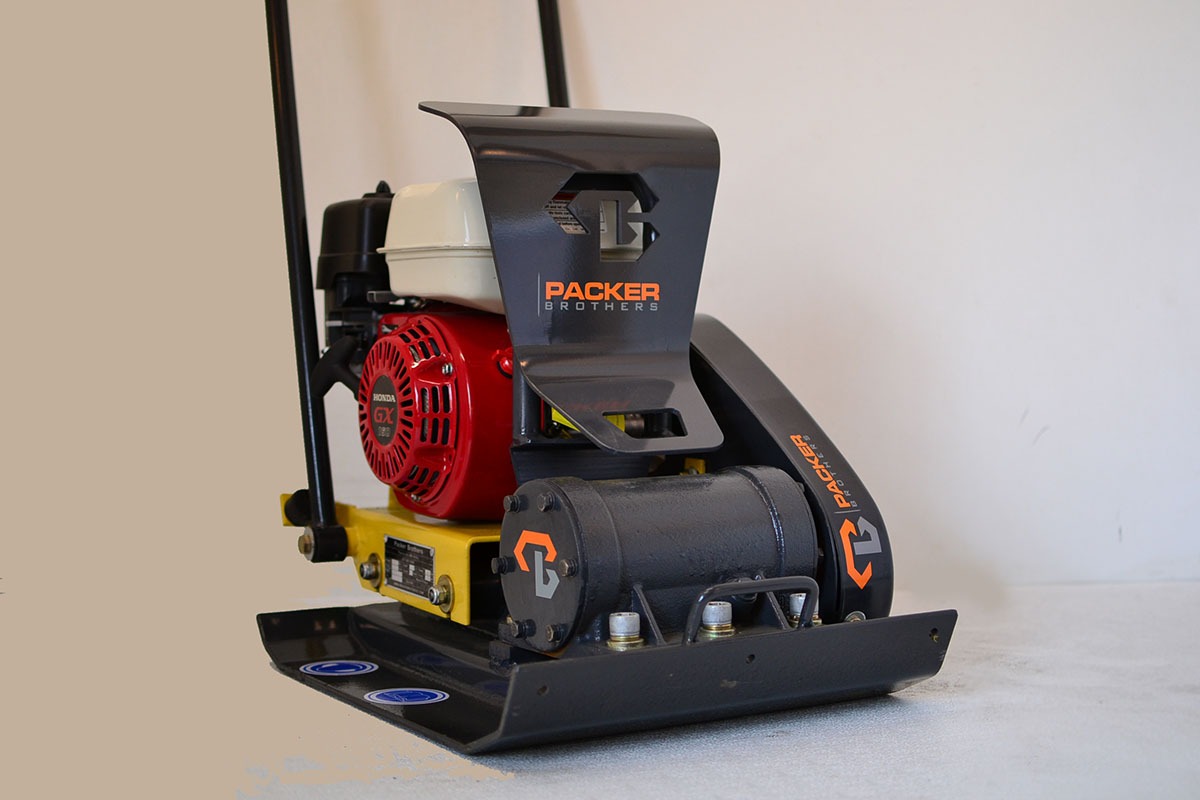
A vibratory plate compactor uses a spinning eccentric on a flat base to deliver high-frequency vibration over a relatively wide footprint. Plates shine on granular soils, crushed stone, and asphalt patches where you need coverage and a smooth finish more than deep punch into a narrow slot. Forward plates are simple and fast on open lifts; reversible plates add a second travel direction so you are not dragging the machine back by hand across a finished pass.
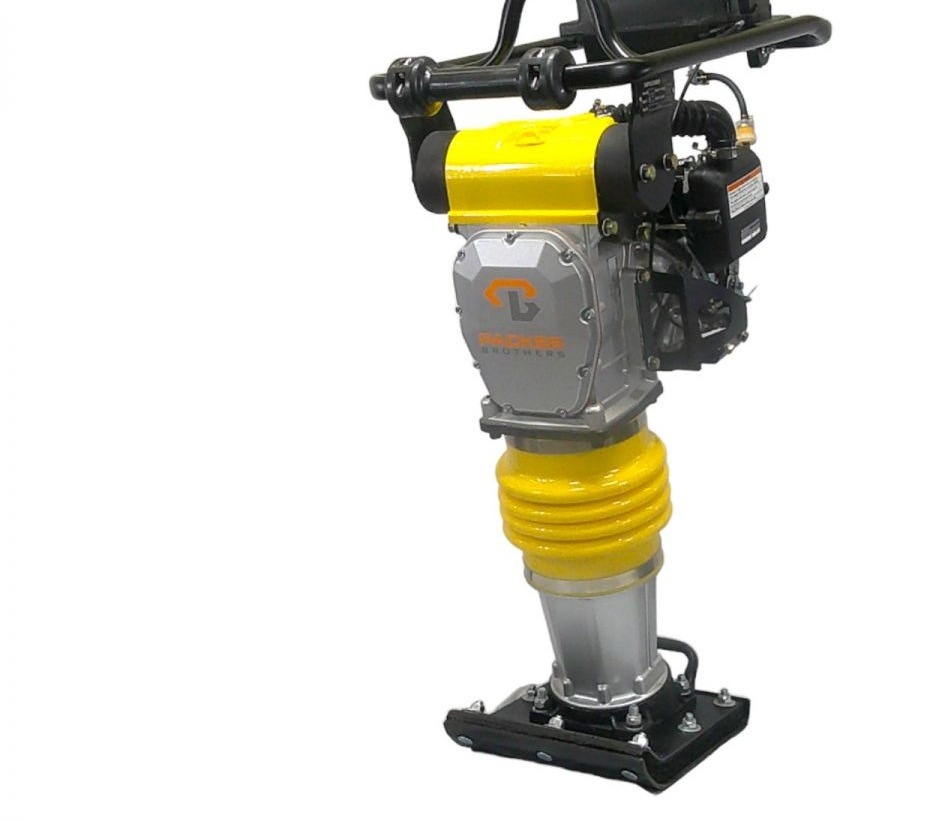
A rammer delivers a high-amplitude impact through a small foot. That impact is why rammers own cohesive soils and narrow trenches: the foot punches lifts that a plate would bridge. The tradeoff is speed and operator fatigue—and a foot that will scar trench walls or adjacent pavement if the operator walks the machine into the edge. Rammers are the wrong default for wide granular pads where a plate or roller would finish faster with less wall damage.
A walk-behind roller puts mass and vibration through one or more drums. Rollers suit wider lifts, granular base, and asphalt where drum contact and water spray (on asphalt-capable units) matter more than a rammer’s punch. Convertible or dual-drum walk-behinds trade transport bulk for production on sidewalks, shoulders, and patch areas too tight for a ride-on. None of the three tools forgives an oversized lift: amplitude and impact depth only reach so far.
Lift Thickness and Pass Count by Soil Type
Lift thickness is where density tests are won or lost. Manufacturers publish recommended maximum lifts for each machine class; those numbers assume moisture near optimum and a competent pass pattern—not a single walk-over on material dumped a foot deep. Granular soils and open-graded stone generally accept thicker lifts under a plate or roller than fat clay accepts under the same plate. Cohesive soils often need thinner lifts and a rammer’s impact if the trench is too narrow for a plate to seat fully.
Pass count is not a superstition—it is how many times the contact surface has to work the lift before density stops climbing. A common field failure is one slow pass with the throttle high, followed by a nuclear gauge that reads low because the lift was too thick. Split the lift, keep moisture honest, and run overlapping passes until the surface response stops changing and the gauge (or proof roll) agrees. On asphalt patches, match roller or plate passes to the mix temperature window; cold mix that has stalled will not densify because you added two more passes.
Write the lift plan before the excavator leaves: soil type, target lift thickness, tool choice, and who owns the moisture decision. Crews that “compact whatever depth the bucket left” are volunteering for rework.
Working in Narrow Trenches Without Bridging or Wall Damage
Narrow trenches expose every mismatch between tool and geometry. A plate that is wider than the clear trench width will hang on the walls and bridge, leaving the center soft. A rammer foot that fits the trench can still rake the wall if the operator leans the machine or walks it along the edge. Shoring and trench boxes further shrink the working width—measure the clear opening, not the excavation cut, before you commit to a plate width.
Bridging also happens vertically. A thick lift of mixed spoils with a crust on top can look finished after a plate pass while the middle stays loose. Thin lifts and a tool that actually engages the full width of the trench beat a heavier machine that only walks the crust. Where utilities leave irregular bottoms, hand work and thinner lifts around the pipe zone matter more than another pass with the wrong foot.
Protect adjacent pavement and curb. Rammer feet and plate edges chew asphalt lips and concrete edges when the trench is cut tight. Soft edge protection, deliberate standoff, and finishing the trench center before kissing the edge reduce callbacks. If the trench is simply too tight for your plate fleet, that is a rammer job—not a reason to force the plate.
Gas, Diesel, and Electric Power Choices for Indoor and Rental Yards
Gas engines dominate outdoor rental fleets because they are familiar and fuel is everywhere. Diesel shows up on larger reversible plates and some rollers where duty cycle and torque matter. Electric and battery options earn their keep indoors, in noise-restricted zones, and on sites where exhaust is unacceptable—basements, enclosed garages, and night work near residences. Electric rammers and plates trade runtime management and cord or battery logistics for zero on-site exhaust.
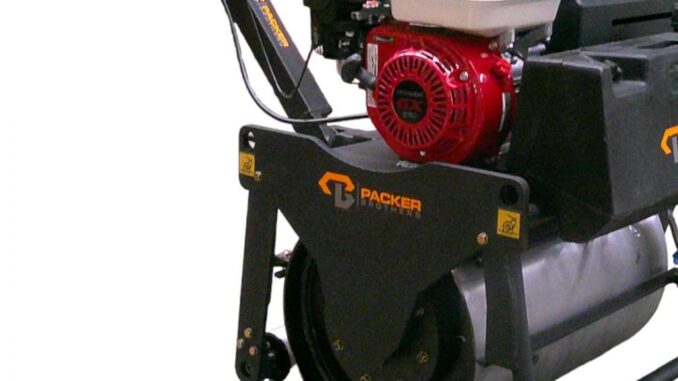
Rental yards and mixed crews should match power to the room, not to the first machine on the trailer. An electric rammer that dies mid-trench because nobody charged the pack overnight is as useless as a gas plate that cannot start in a closed vault. Spec runtime, charge plan, and spare batteries the same way you spec fuel cans. Manufacturers of contractor plates, rammers, and walk-behind rollers—including Packer Brothers—publish gas, diesel, and electric options so buyers can match power to indoor limits and outdoor production instead of guessing from paint color.
Service access matters across all power types. Air filters, eccentric oil, and shoe or drum wear items that are hard to reach will not get checked. Choose machines your shop can maintain on the interval the duty cycle demands.
Daily Maintenance That Keeps Amplitude and Travel Speed Consistent
Compaction performance drifts when the machine is sick. Low eccentric oil, a glazed or damaged shoe, a dead water spray system on an asphalt roller, or a throttle that will not hold speed all show up as “the soil won’t densify” before they show up as a work order. Daily checks should include oil levels (engine and vibrator where separate), shoe or drum condition, fastener torque on handles and guards, and a short functional run that confirms vibration and travel before the machine enters the trench.
Keep shoes and drums matched to the work. A rammer foot worn into a rocker will not deliver a flat impact. A plate with a bent edge will mark asphalt and walk poorly. Roller drums with flat spots or dry bearings waste amplitude as noise and heat. Replace wear items on schedule—not after the density test fails.
Store machines clean enough that the next operator can see leaks and cracks. Mud packed into cooling fins and eccentric housings is how engines overheat and bearings die between Friday and Monday. A five-minute wipe-down and a fuel or battery state check beat a morning surprise on a traffic-control ticket.
Final Thoughts
Plate compactors, rammers, and walk-behind rollers are different tools for different lifts—not interchangeable logos on the same trailer. Match contact type to soil and trench width, keep lifts thin enough for the machine’s energy to reach the bottom, and protect walls and edges while you build density in the center. Power choice and daily maintenance decide whether that match still holds at 3 p.m. Treat tool selection as part of the excavation plan—and density tests become a confirmation instead of a surprise.