
















Mixed-material days expose a weak thumb faster than any brochure photo. One hour you are stacking pipe. The next you are plucking brush, relocating rock, or nesting scrap so the truck can leave on time. The grip angle that worked at 8 a.m. fights you by lunch—unless the thumb can change with the work.
Choosing between a manual excavator thumb and a hydraulic excavator thumb is not a status upgrade. It is a production decision about how often the grip geometry must change, how much clamp force you need through the curl arc, and whether cab control pays for the plumbing and cylinder cost. Get the decision right and the bucket-and-thumb pair behaves like one tool. Get it wrong and operators burn time climbing out to re-pin—or fighting geometry that never tracks the bucket.
What a Thumb Actually Does on an Excavator
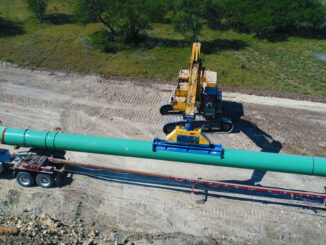
A thumb is an opposing arm that closes toward the bucket (or coupler-mounted bucket) so the machine can clamp, carry, and place material that will not stay in an open bucket. Typical work includes logs and brush, odd-shaped rock, pipe and culvert sections, demo debris, and scrap. Without a thumb, crews improvise with the stick, a second machine, or ground labor—slow and riskier.
Two mechanical ideas matter more than brand names:
- Tip radius and width should match the bucket and stick so the tips meet cleanly without bottoming the cylinder or leaving a gap that drops loads.
- Geometry through curl decides whether the thumb stays useful as the bucket curls and dumps. A thumb that only grips well at one stick angle forces constant rework.
Size the attachment to the excavator’s make, model, operating weight, stick length, and pin geometry. “Universal fit” approximations show up later as clearance fights, weak clamp at the end of travel, or interference with digging.
Manual Thumbs: Fixed Grip Angle, Simple Hardware
A manual thumb is set by hand—usually a pin-and-hole (or similar) lock—before the productive cycle starts. Once locked, the thumb holds a fixed position relative to the stick/bucket setup. There is no cylinder on the thumb, no jump hoses to plumb for thumb motion, and fewer moving parts to maintain.
That simplicity is the point. Manual thumbs fit crews that:
- Move similar material at a similar approach angle for long stretches—pipe racks, repetitive debris sort, light land clearing with consistent log diameters.
- Run machines without a free auxiliary circuit (or prefer not to dedicate one to a thumb).
- Want a lower cost of entry and a weld-on or pin-on install that a qualified shop can finish without hydraulic commissioning.
The tradeoff is obvious on mixed days: every material change that needs a new grip angle means stopping, leaving the cab (or relying on a ground person), repositioning the pin, and restarting. If you re-pin more than a few times per shift, the “cheap” thumb starts costing cycle time—and inviting shortcuts like carrying loads at awkward angles.
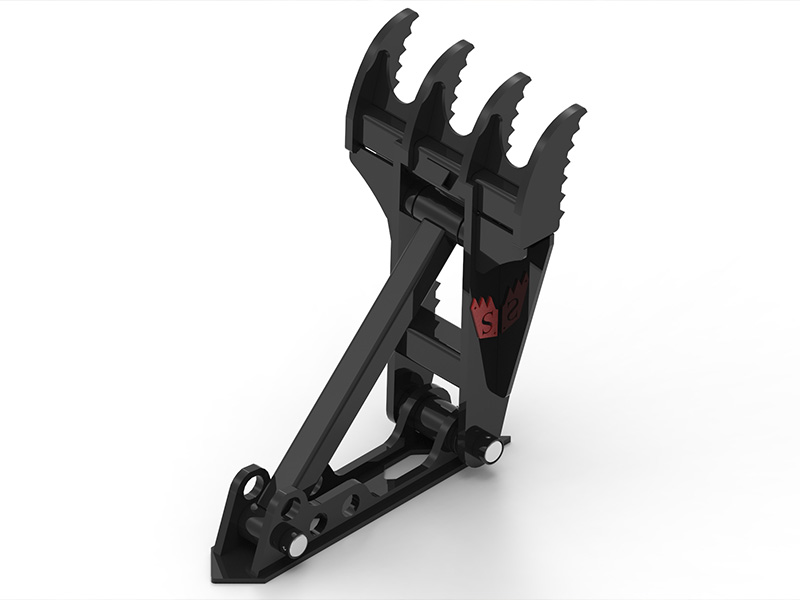
Hydraulic Thumbs: Live Control From the Cab
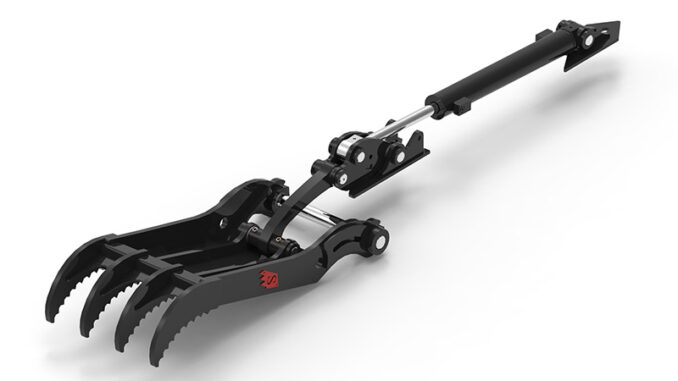
A hydraulic thumb uses a cylinder fed by the excavator’s auxiliary circuit so the operator opens, closes, and repositions the thumb without leaving the seat. Stick-mounted and pin-mounted layouts are common; both put live clamp control in the cab. On demolition, forestry, scrap, and site cleanup where shapes change constantly, that control is the productivity feature—not a luxury option.
Hydraulics also change safety habits. Better clamp control reduces the urge to “trap” loads with reckless stick motion. At the same time, hose routing, relief settings, and failure modes become part of the daily check. A thumb that can slam shut or drift open under load needs disciplined plumbing, rated hoses, and operator training—not just a new joystick function.
Expect to confirm:
- Available aux flow and pressure for the cylinder class.
- Mount style (stick weld-on vs pin-on / coupler-aware setups) and how it plays with your quick coupler.
- Whether jump hoses and fittings are included or supplied separately.
- Fold-away clearance so the thumb does not fight digging when parked open or closed as designed.
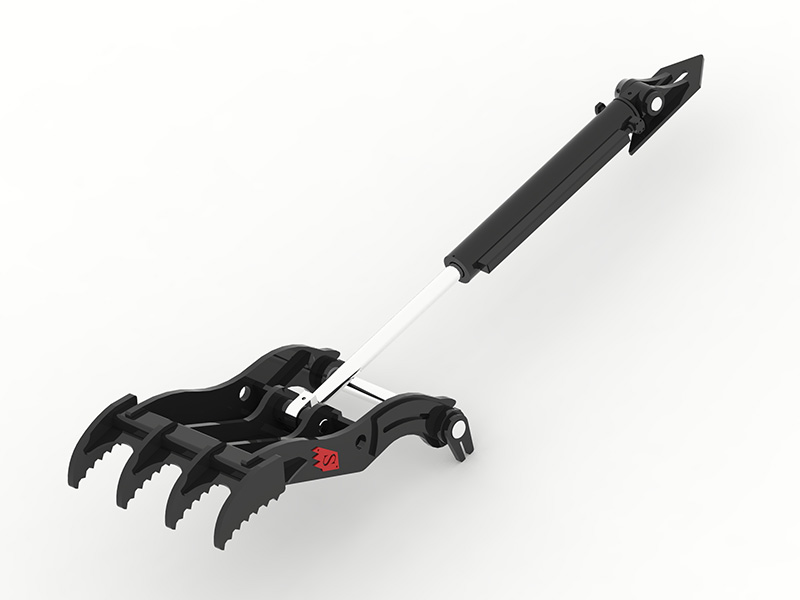
Progressive Curl and Clamp Force: Why Geometry Beats Horsepower Talk
Not all hydraulic thumbs behave the same through the dig cycle. On a simple cylinder-to-arm layout, clamp force and tip path can fall off as the cylinder angle changes near the ends of travel. Operators feel that as “it grabs mid-curl, then goes soft,” or as tips that no longer meet the bucket cleanly when the stick is near dump.
Progressive-link (progressive curl) designs add linkage so the thumb’s arc tracks the bucket curl more consistently across a wider rotation—often approaching a full fold-away / open range in the 180° class depending on configuration. The practical result on mixed material is less fighting the attachment: you curl to the load, clamp, and carry without constantly hunting for the one sweet spot where the thumb and bucket tips cooperate.
When you evaluate clamp force, ask application questions—not just peak cylinder specs:
- Does force stay usable near full open and near full close?
- Do the tips meet the bucket cutting edge / side cutters cleanly through the working arc?
- Can you clamp at awkward approach angles on slopes and in tight pads without losing the load?
Attachment builders such as Solesbee’s commonly custom-fit progressive-link and pin-on thumbs to a specific excavator—geometry and pin match matter as much as the headline “hydraulic vs manual” choice.
When Hydraulics Pay Off—and When They Do Not
Use a simple field test before you buy:
- Count re-pins or workarounds. If a crew with a manual thumb would need multiple position changes per hour on a typical week, hydraulics usually win on time alone.
- Map the material mix. Repetitive same-shape work favors manual. Constantly changing diameters, scrap nests, and odd rock favor hydraulic—especially progressive-link when curl tracking has been a complaint.
- Check the carrier. No spare aux, overloaded electrical/hydraulic options, or a rental machine you will not keep may argue for manual now with a path to upgrade later (some mounts can retain structure if a cylinder is added later—confirm before you weld).
- Price the whole system. Cylinder + hoses + install + downtime + operator learning curve vs saved ground labor and faster truck loading.
Hydraulics pay off when cab control removes repeated stoppages and when consistent clamp through the curl arc protects loads and people. They do not pay off when the machine mostly digs and only occasionally needs a “third hand” at one fixed angle—there, a well-sized manual thumb is honest equipment, not a compromise.
Install, Coupler Discipline, and Jobsite Habits
Whatever you choose, installation quality decides whether the thumb feels factory or like a bolt-on headache:
- Provide accurate stick / pin / bucket / coupler measurements; build-to-fit beats guess-to-fit.
- Keep coupler and thumb geometry compatible—confirm brand and style when the thumb must work with a quick coupler.
- Set hydraulic relief appropriately for the cylinder; over-pressure voids warranties and bends steel.
- Grease pivots on the schedule the manufacturer publishes; dry pins accelerate ovaling and tip misalignment.
- Train operators on hose-failure response, load awareness over people and cabs, and not using the thumb as a hammer or pry bar.
Pair the thumb with the bucket you actually run. A thumb sized to last week’s ditching bucket will disappoint after a coupler swap to a different tip radius.
Bottom Line
Manual thumbs win on simplicity and steady, repetitive grip angles. Hydraulic thumbs win when mixed material demands live control. Progressive-link geometry earns its keep when clamp force and tip tracking must stay honest through the curl—not only at one photogenic angle. Match the thumb to the week’s real work mix, the excavator’s aux and pin geometry, and the coupler you run—then judge payback in cycle time and safer carries, not in brochure adjectives.