



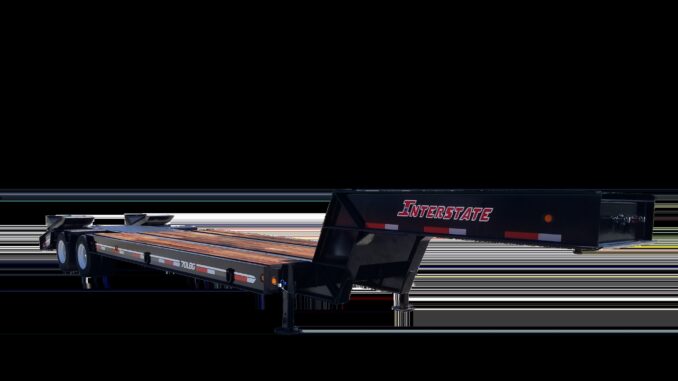
Choosing between a tag-along and a tiltbed for daily equipment moves is less about brand preference and more about load/unload workflow, deck geometry, and honest GVWR math. A trailer that looks right in the lot can still punish skid steers, compact track loaders, and compact excavators if the approach angle is wrong, the axles are light for the densest machine on the roster, or the tie-down plan only works when the bucket is empty. This guide is a contractor-side checklist for matching trailer type to the machines you move every week—not a brochure tour of every deck style on the market.
The focus here is tag-along (ramp) and tiltbed trailers used for routine yard-to-jobsite and jobsite-to-jobsite moves of compact and mid-size equipment. It is not a lowboy or detachable-gooseneck heavy-haul guide. Get deck angle, GVWR and tongue weight, traction on the tilt, and tie-down points right before you argue paint color or hitch preference.
Tag-Along vs Tiltbed: When Each Wins for Daily Moves
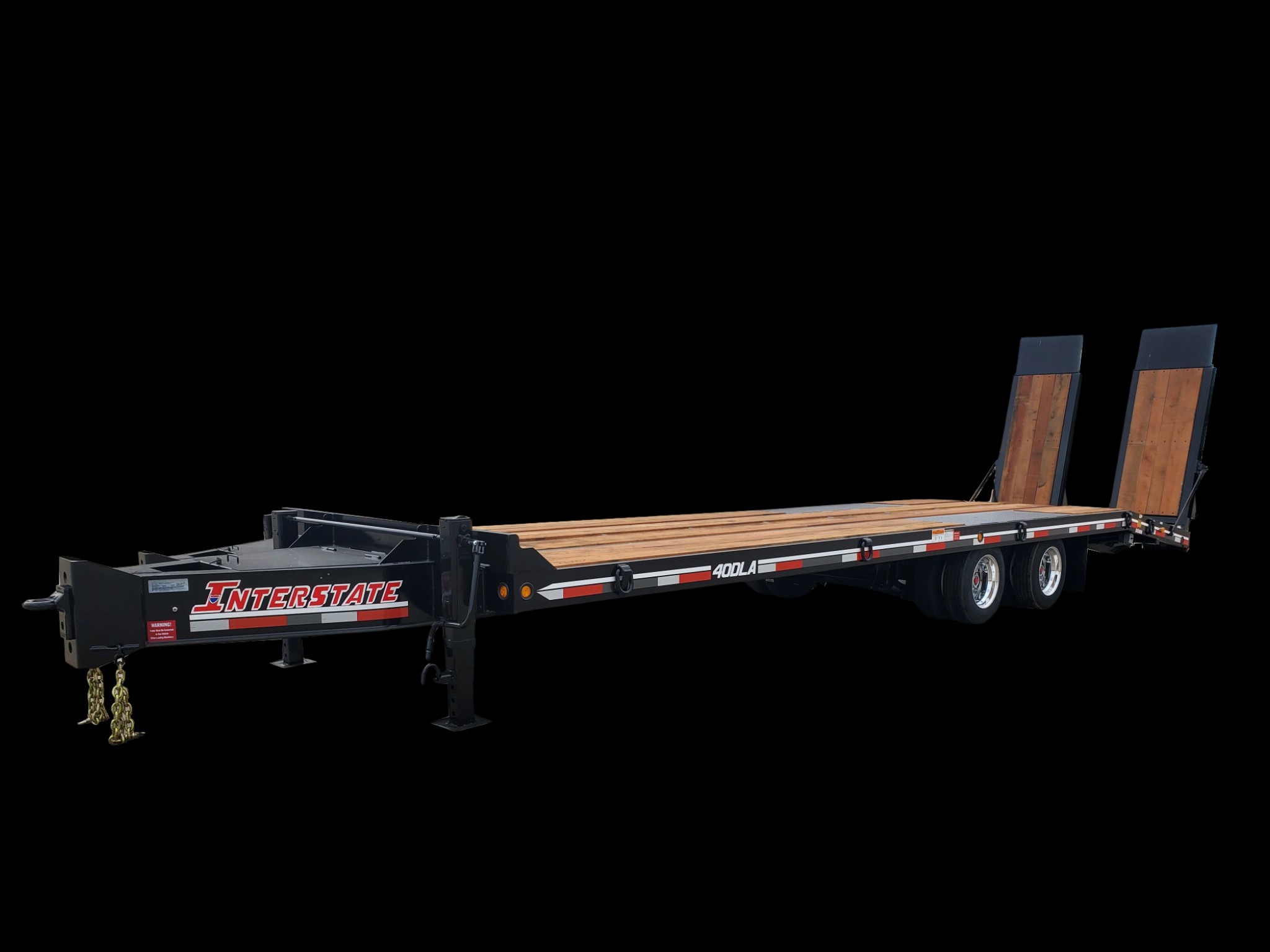
Tag-along trailers keep a fixed deck and use rear ramps (fold-up, slide-out, or hydraulic) to bridge from ground to deck. They win when crews load machines that climb ramps cleanly, when you want a stationary deck for staging attachments beside the machine, and when operators prefer a familiar ramp ritual every morning. Fixed decks also make it easier to leave a machine parked mid-deck while someone walks around it to set chains—useful when the same trailer also carries buckets, breakers, or a second small unit.
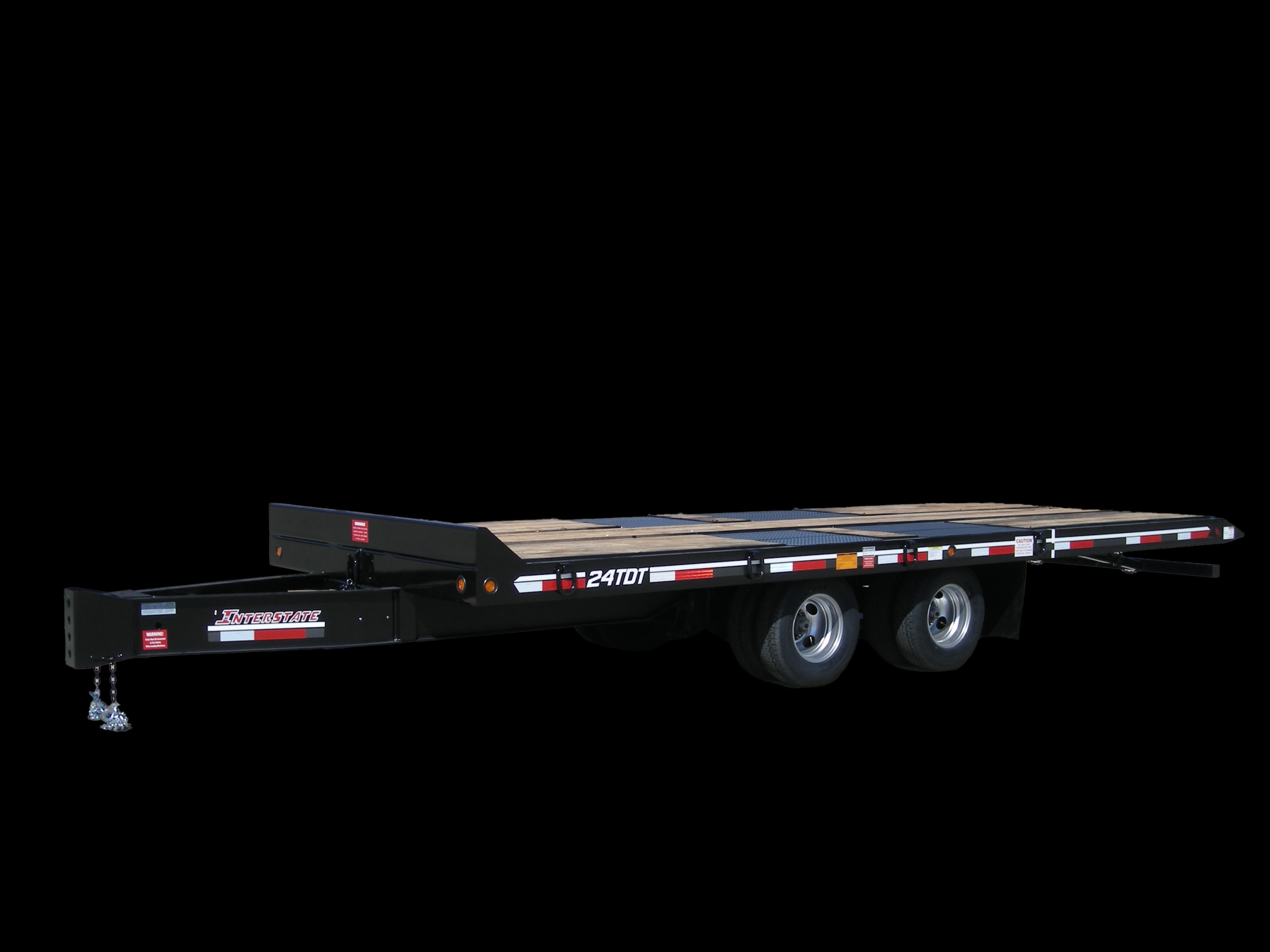
Tiltbeds pivot the deck so the rear meets the ground (or nearly so), creating a continuous loading surface instead of a ramp hinge line. They win for low-clearance machines, machines that hate a steep ramp break-over, and crews that want fewer ramp-handling injuries on muddy pads. Dealer and manufacturer literature commonly cites approach angles in roughly the low-teens of degrees for many contractor tilt packages—far gentler than a short, steep ramp set on a high fixed deck. The tradeoff is that the deck must be clear to tilt, hydraulic or mechanical tilt hardware becomes a maintenance item, and you lose the “park mid-deck and walk around on a fixed surface” habit some crews prefer.
Pick from the weekly machine list, not the one awkward machine you moved last year. If most loads are skid steers and CTLs that climb ramps without drama, a well-spec’d tag-along with honest ramp length and width is often the faster daily loop. If you regularly move low-clearance rollers, certain compact excavators, or paving-adjacent iron that scrapes a ramp hinge, the tiltbed’s continuous deck usually pays for itself in fewer stuck loads and fewer chewed undercarriage guards.
Matching GVWR, Axle Rating, and Tongue Weight to Real Loads
Trailer marketing leads with capacity. Scales and hitch ratings care about pounds on the axles and pounds on the tongue. GVWR minus empty trailer weight (tare) is usable payload—then compare that number to the heaviest machine you move weekly, including residual dirt, full fuel, and any attachment left on the coupler. A “24,000 lb trailer” that weighs several thousand pounds empty does not haul 24,000 lb of iron.
Tag-along lines commonly span light single-axle utility sizes up through dual-tire air-brake packages rated in the tens of thousands of pounds; tiltbed lines similarly run from lighter single-tire units into dual-tire electric- and air-brake models, with heavier tilt packages using dual cylinders and low-profile dual tires. Those published capacities only become honest after you subtract tare and confirm the tow vehicle’s hitch, GAWR, and GCWR can accept the tongue or gooseneck share under that load.
Tongue weight on bumper-pull and pintle setups typically wants to land in a stable share of trailer GVWR—enough to keep the combination tracking, not so much that the tow truck’s rear tires and hitch hardware are overloaded before the trailer axles are. Gooseneck options on heavier tag packages change how weight transfers to the tow vehicle and often stabilize heavier decks; they also change how you stage in tight yards. Write the payload math the same way every time: densest weekly machine plus attachment, versus usable payload after tare, versus hitch and tow-vehicle limits—not versus the biggest number on the brochure.
Safe Load Angles and Traction Aids on Tilt Decks
Tilt decks earn their keep when the rear edge meets firm ground and the machine can crawl up without spinning or digging a hole under the hinge. Soft pads, crowned approaches, and ice turn a gentle tilt angle into a traction problem. Cleated oak, grouser bars on wheel covers, and clean deck surfaces matter as much as the cylinder speed. Mud packed into deck boards is a lubricant; scrape before you expect rubber tracks to bite.
Control the tilt. Dual heavy-duty cushion cylinders and positive deck latches exist so the deck neither free-falls nor creeps while someone is halfway up. Air-operated latches on heavier packages remove a manual step crews skip when they are rushed—and skipped latches are how decks unlock on the highway. Keep the machine centered as it climbs; walking a CTL up one edge of a tilt deck loads one side of the suspension and invites a trip over the side rail if a track breaks loose.
Ramp tag-alongs have their own angle math. Short ramps on a tall deck create a steep break-over that scrapes buckets and undercarriage. Longer ramps, beavertails, and hydraulic ramp assists reduce the climb angle and the manhandling. Match ramp width to track or tire width so the machine is not balancing on a narrow board while the operator fights steering.
Traction aids are not cosmetic. Cleats, rubber mats rated for the deck, and a spotter who keeps the approach clear of spoils all reduce the “gun it and hope” habit that destroys decks and transmissions. If your weekly pad is soft dirt, plan cribbing or mats for the rear of the tilt so the deck edge does not bury itself before the machine is aboard.
Tie-Down Points That Protect Undercarriage and Buckets
Chains and binders only help if the trailer gives you places to attach that do not crush hoses, bend steps, or pull against the weakest part of a coupler. Look for D-rings or stake pockets positioned for the machines you haul—enough per side that you can cross-bind without inventing anchor points from a spare shackle on a light bracket. Heavier equipment packages often publish multiple D-rings per side for a reason: one ring per corner is not a securement plan for a CTL with a heavy grapple still attached.
Protect the undercarriage. Avoid running chains across belly pans, soft guards, and hydraulic tubes. Use branded chain slots and D-rings where the manufacturer intended load paths into the frame. Buckets and attachments should be grounded or cradled so they cannot swing into the deck stakes; a swinging breaker head will find the cheapest thing on the trailer to destroy.
Recheck after the first miles. Tracks settle, rubber compresses, and binders that felt tight in the yard can slap by the first highway ramp. A short stop to re-torque binders is cheaper than a chain dragging on the pavement. Manufacturers of contractor tag-along and tiltbed trailers—including Interstate Trailers—publish capacity classes, deck and ramp options, and lighting packages so buyers can match weekly machine weight and load geometry instead of guessing from side-rail height alone.
Dealer Parts and Lighting Checks That Keep Trailers DOT-Ready
Daily-move trailers live hard: constant coupling, constant lighting cycles, constant mud in the connectors. LED marker and stop/tail packages and a healthy 7-way plug are not optional chrome—they are how you stay visible and legal on the second dusk run of the week. Inspect the plug pins, ground path, and loom chafe on the same interval you check brakes and tires. A trailer that “sometimes” loses the left turn signal will eventually do it in a merge.
Parts availability decides whether a broken latch or a dead tilt cylinder costs an afternoon or a week. Dealer networks that stock common seals, lamps, ramps hardware, and binder gear keep the trailer in the rotation. Before you buy, ask where the nearest parts counter is for the brand you choose—and whether electric versus air brake service matches what your shop already knows how to wrench.
Before you lock a tag-along or tiltbed for daily equipment moves, confirm: densest weekly machine weight versus usable payload after tare; hitch and tow-vehicle limits under that load; ramp or tilt geometry that clears the lowest machine without drama; D-rings and chain paths that protect undercarriage; and lighting/brake service you can actually get locally. Spec the trailer for the move you make every Monday—not the one photo of a machine that barely fit once.
Final Thoughts
A tag-along or tiltbed earns its keep when load angle, legal weight, and securement stay aligned with the machines you move every week. Choose tag-along when fixed-deck staging and ramp climbs fit the fleet; choose tiltbed when continuous low-angle loading protects low-clearance iron and crew backs. Do the GVWR-minus-tare math on the densest load, keep decks and ramps clean enough to bite, and treat lights and latches as daily tools—not annual surprises. Get those habits right and the trailer stays a daily mover instead of a yard ornament waiting on parts.