






































Wire ropes and load chains are central to every crane fleet’s lifting performance. These components carry high tensile loads, operate around sheaves and drums, and remain exposed to weather, heat and constant vibration. Reliable lubrication is essential because friction and contamination directly influence rope fatigue, chain stretch and long term operating cost. Modern lubrication methods now make it possible to reduce cleanup, extend service intervals and improve the overall condition of lifting systems. When fleets shift to cleaner and more efficient formulations, maintenance teams spend less time dealing with buildup and more time keeping cranes available for work. Many operations now look for environmentally safe lubricants that reduce mess while supporting consistent load handling.
Role of Lubrication in Crane Rope Performance
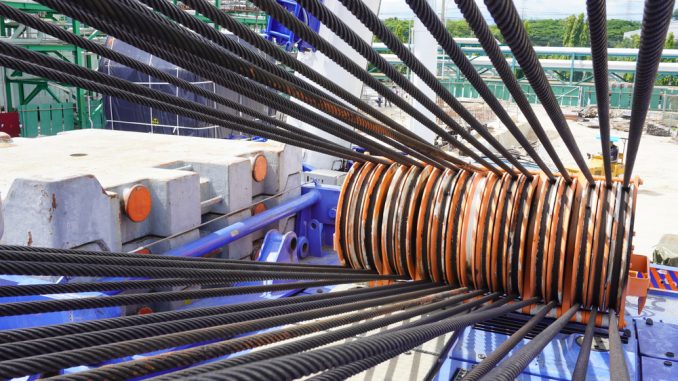
Wire ropes operate under repeated bending stress as they travel over sheaves and drums. Every cycle pushes lubricant outward, leaving strands vulnerable to metal contact. In service, ropes also collect dust, grit and moisture, which increases abrasion and corrosion if lubrication is not replenished properly. A clean running lubricant keeps strands separated, protects the inner core from rust, and helps ropes unwind and rewind smoothly. Chains benefit from similar protection because each link pivots under load, and any dry surfaces increase stretch and premature wear. Lubrication creates a stable film along contact points and helps maintain predictable lifting performance across a range of temperatures and jobsite conditions.
How Contamination Shortens Rope and Chain Life
Contaminants are a primary cause of accelerated wear in lifting systems. When dust and moisture combine, debris becomes embedded between strands or along chain plates. This debris acts like grinding compound and increases internal friction. Constant vibration and cyclic loading amplify this effect, creating strand notching and internal wire breakage that can spread unnoticed. Corrosion further weakens strands by reducing metal thickness inside the rope. Lubricants designed for clean application help displace moisture and reduce adhesion of dirt particles. This reduces the amount of material that must be removed during inspections and improves the accuracy of visual assessments.

Advances in Clean Running Lubrication
Significant progress has been made in developing lubricants that perform effectively while generating less residue on ropes and lifting components. Clean running formulations stay within the rope body rather than collecting on the exterior. They offer strong penetration, which is critical because most rope failures begin inside the strands where visual inspection is limited. Many modern lubricants also reduce dripping and overspray, which lowers cleanup time on booms, decks and work platforms. Biodegradable oils and greases have improved thermal stability, which helps maintain viscosity across seasonal temperature swings. Consistent viscosity ensures predictable film strength during heavy lifts.
Selecting Lubricants for Crane Rope and Chain Systems
A suitable lubricant must perform several tasks at once. It must penetrate into the inner rope structure, resist washout from rain or saltwater, maintain adhesion under high load and limit buildup that traps debris. Chains require a lubricant that can reach pivot points while maintaining enough body to stay in place during continuous motion. Matching viscosity to the specific rope diameter and crane duty cycle improves distribution because smaller ropes often require lower viscosity to reach inner strands. Larger ropes benefit from slightly thicker films that maintain support along the outer wires. Lubricants used in marine or coastal environments must offer strong corrosion protection to counter constant moisture exposure.
Supporting Long Term Crane Fleet Reliability
Clean running lubrication practices improve the stability of long term operations by reducing many hidden costs associated with rope fatigue and unscheduled maintenance. Less residue means faster inspections and lower risk of misinterpreting surface buildup as strand failure. Chains remain better aligned and experience less stiffening that can lead to jump or skip events during lifting cycles. Reduced cleanup time also improves overall operating efficiency. As fleets adopt more advanced lubrication strategies, many discover that the shift improves total cost of ownership through longer component life and fewer unplanned rope changes.
Integrating Clean Lubricants into Maintenance Programs
Well structured maintenance programs rely on predictable lubrication intervals. Operators must ensure that rope and chain lubrication corresponds to the crane’s specific workload and environmental exposure. Applying lubricant during controlled rotation of the rope helps ensure deep penetration and even distribution. Chains benefit from application during slow movement so that pivot points receive full coverage. Using clean running products reduces the need to remove excess residue, allowing crews to complete tasks more quickly. Clear documentation of lubrication cycles, environmental exposure and lifting intensity helps maintenance teams track performance trends over time and adjust intervals as required.

Reducing Environmental Footprint in Crane Operations
Crane fleets operating near water, sensitive terrain or confined industrial spaces increasingly adopt biodegradable formulations to support compliance and reduce remediation risk. Clean running oils and greases help minimize the spread of lubricant residue beyond the lifting system and reduce the chance of contamination on equipment surfaces. Many biodegradable options offer technical performance comparable to mineral based products, which makes the transition straightforward for fleet managers seeking consistent lift performance while meeting environmental goals. Moving toward cleaner products also reduces long term environmental impact associated with disposal and runoff.
Extending Life Through Better Application Practices
Even the best lubricant cannot perform effectively without proper application. Ropes should be cleaned of loose debris before lubrication so that the product can penetrate efficiently. Chains benefit from the removal of compacted dirt between plates. Proper storage of ropes and lifting components also reduces unnecessary exposure to moisture. When operators combine clean running lubricants with correct handling and inspection practices, both ropes and chains achieve longer service life. Maintenance staff also gain better insight into rope health because surfaces remain easier to inspect.
Final Considerations for Crane Fleet Managers
Wire rope and chain lubrication is central to safe lifting performance and long term cost control. As cleaner and more advanced formulations become available, fleet managers can significantly reduce cleanup while improving durability. Products that offer strong penetration, corrosion protection and reduced residue help cranes operate more consistently and remain within service specifications. Fleets seeking better long term reliability often evaluate lubricants that maintain stability across temperature changes and heavy loading. Many also shift toward high performance grease that supports rope sheaves, chain connections and exposed lifting hardware without producing excess buildup.
Why is proper lubrication critical for crane wire ropes and load chains?
Lubrication reduces friction, corrosion, and internal wear, extending service life and maintaining safe lifting performance.
What are the benefits of clean running lubricants for crane fleets?
They penetrate internal strands while minimizing residue, making inspections easier and reducing maintenance and cleanup time.
