








































Selecting the right equipment for concrete cutting plays a critical role in jobsite productivity, accuracy, and long-term operating costs. Walk-behind concrete saws are widely used across construction, roadwork, and repair applications because they provide controlled, consistent cuts on flat surfaces. From expansion joints to full-depth slab removal, the right machine setup can significantly impact both speed and quality of work. Many contractors begin by comparing different types of contractor-grade concrete cutting equipment to understand which configuration best suits their project requirements.
Understanding Walk-Behind Concrete Saws
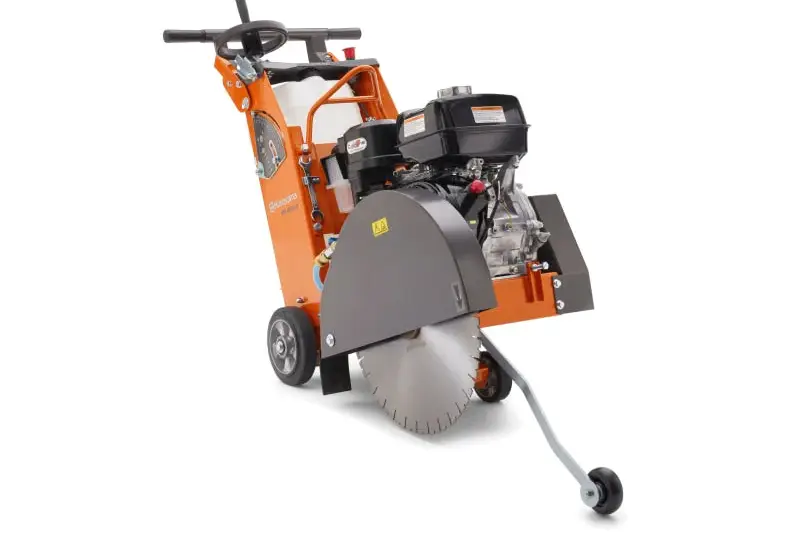
Walk-behind concrete saws are designed for precision cutting on horizontal surfaces such as pavements, slabs, and bridge decks. These machines use rotating diamond blades to cut through concrete and asphalt while maintaining consistent depth and alignment.
Unlike handheld saws, walk-behind models provide greater stability and control, making them ideal for long, straight cuts. They are commonly used for applications like trenching, joint cutting, and removing damaged sections of concrete. Their design allows operators to maintain accuracy across extended distances without compromising performance.
Power Source Considerations
One of the first decisions when selecting a concrete saw is choosing the right power source. Gas-powered saws are commonly used in outdoor environments where mobility and higher power output are required. These machines can operate without external power sources, making them suitable for roadwork and large-scale infrastructure projects.
Electric saws are typically used in enclosed or indoor environments where emissions and noise must be minimized. They offer consistent performance and reduced maintenance requirements, but depend on access to a stable power supply.
Choosing between these options depends largely on jobsite conditions, project size, and environmental considerations.
Blade Size and Cutting Depth
Blade diameter directly determines how deep a concrete saw can cut. Smaller blades, generally in the 6 to 14 inch range, are used for shallow cuts such as early-entry sawing or decorative work. Larger blades, often ranging from 16 to 20 inches or more, are used for deeper cuts in thicker concrete slabs.
Using the correct blade size is essential for maintaining efficiency. Oversized blades on smaller jobs can reduce control, while undersized blades may require multiple passes, increasing labor time and wear on the equipment.
Material composition also plays a role in blade selection. Harder aggregates and reinforced concrete can affect cutting speed and blade life, requiring careful matching between blade type and application.
Cutting Applications and Timing
Concrete cutting techniques vary depending on whether the material is freshly placed or fully cured. Green concrete cutting is typically performed within hours after finishing to control cracking and create clean joints. This process requires specialized saws designed to minimize surface damage.
Cured concrete cutting requires more powerful machines capable of handling higher resistance and deeper cuts. These applications are common in infrastructure repair, demolition, and utility work.
Understanding the timing of cuts helps contractors avoid issues such as random cracking, surface chipping, and inefficient cutting performance.
Jobsite Productivity and Efficiency
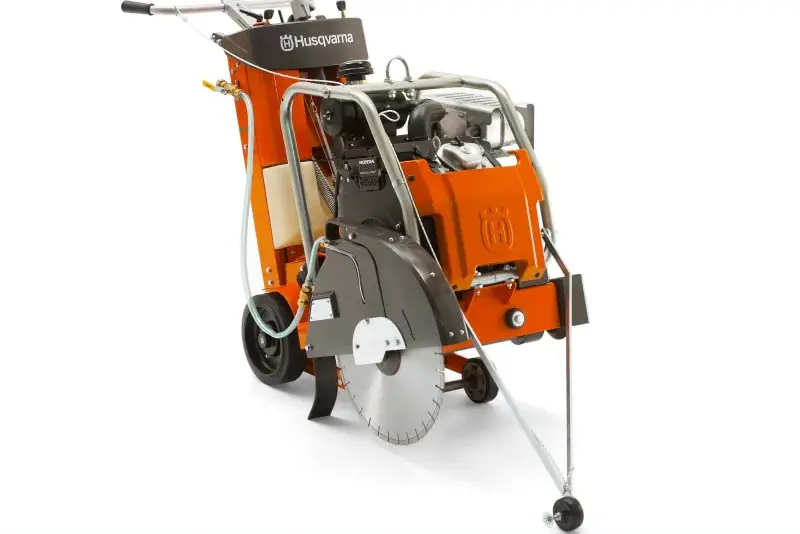
Productivity on a jobsite is heavily influenced by the features of the equipment being used. Walk-behind saws with stable frames, precise depth control, and reduced vibration allow operators to maintain accuracy over longer periods.
Water delivery systems are another critical feature, as they help control dust and cool the blade during operation. Proper cooling improves cutting performance and extends blade life, reducing replacement costs.
Operator comfort also contributes to efficiency. Ergonomic handles, balanced weight distribution, and intuitive controls help reduce fatigue and improve consistency in cutting operations.
Maintenance and Long Term Performance
Regular maintenance is essential to ensure reliable performance and extend the lifespan of concrete saws. Routine checks should include inspecting belts, cleaning air filters, and verifying that blade guards and cooling systems are functioning properly.
Proper lubrication of moving components and the use of clean fuel in gas-powered units can prevent unnecessary wear. Addressing small issues early can reduce downtime and avoid costly repairs over time.
Consistent maintenance practices not only improve performance but also contribute to safer operation on the jobsite.
Choosing the Right Equipment for Your Project
Selecting the right walk-behind concrete saw requires careful evaluation of project needs, material conditions, and operational constraints. By understanding key factors such as power source, blade size, and cutting application, contractors can make informed decisions that improve both efficiency and cutting accuracy.
Taking the time to match equipment to specific jobsite requirements ensures better performance, reduced downtime, and more consistent project outcomes.