


















Tires are often treated as a simple replacement item on earthmoving jobs, yet they directly influence fuel usage, downtime, and overall machine performance. For contractors managing tight margins, the real cost of tires is not the purchase price but how they perform over time. Understanding how tire selection affects cost per hour can reveal hidden inefficiencies and unlock meaningful savings across a project lifecycle.
Understanding Cost Per Hour in Earthmoving Operations
Cost per hour is a practical way to evaluate equipment expenses beyond upfront pricing. It combines the total cost of a tire with how long it lasts and how it impacts machine productivity. In construction environments, this includes the purchase price, expected lifespan, maintenance needs, and the effect on fuel consumption and uptime.
When operators choose the right earthmoving tire solutions for construction equipment, they are not just selecting a component but influencing how efficiently a machine performs over hundreds or thousands of operating hours. A tire that lasts longer and reduces downtime often delivers a lower cost per hour, even if the initial investment is higher.
Key Factors That Influence Tire Cost Per Hour
Several measurable factors determine how much a tire truly costs over time. Wear rate is one of the most critical. Tires operating on abrasive surfaces such as rock or demolition debris will degrade faster than those used on softer soils. Load capacity also plays a role, as consistently overloading equipment accelerates wear and increases the risk of failure.
Fuel efficiency is another often overlooked variable. Research and field data from equipment manufacturers show that rolling resistance can affect fuel consumption, especially in large earthmoving machines. Tires designed to reduce resistance can contribute to lower fuel usage over extended operations.
Downtime is equally important. A single tire failure can halt operations, delay project timelines, and increase labor costs. In high-demand environments, even short interruptions can significantly raise the effective cost per hour.
Common Mistakes That Increase Operating Costs
One of the most frequent mistakes contractors make is selecting tires based solely on upfront price. Lower-cost options may appear economical initially but often wear out faster or perform poorly under specific jobsite conditions. This leads to more frequent replacements and increased downtime.
Another issue is mismatching tires to terrain. Using general-purpose tires in highly specialized environments such as rocky excavation sites or waste facilities can accelerate damage. Improper inflation practices also contribute to uneven wear and reduced lifespan, which directly increases operating costs.
Ignoring maintenance routines further compounds the problem. Regular inspections, pressure checks, and rotation practices are essential to extending tire life and maintaining consistent performance.
Tire Type and Its Impact on Performance
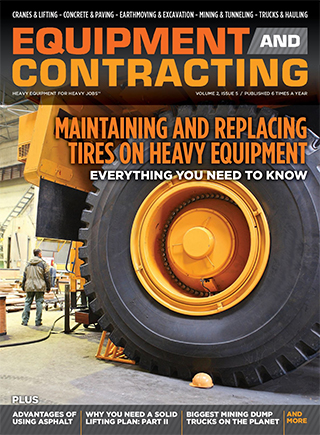
Different tire types are engineered for different applications, and selecting the appropriate type can significantly affect cost per hour. Radial tires, for example, are known to offer better traction and fuel efficiency in many earthmoving applications due to their flexible sidewalls and improved ground contact. Bias tires, on the other hand, may provide stronger sidewall resistance in harsh conditions but can generate more heat during operation.
Solid tires are often used in environments where punctures are a constant risk, such as recycling or demolition sites. While they eliminate downtime caused by flats, they can introduce trade-offs in ride comfort and heat buildup. Rubber tracks, commonly used on compact equipment, distribute weight more evenly and reduce ground pressure, which can improve performance on soft or uneven terrain.
Each option comes with advantages and limitations, and the best choice depends on how closely the tire matches the jobsite requirements.
Jobsite Conditions and Their Role in Tire Longevity
The environment in which equipment operates has a direct impact on tire performance. Abrasive surfaces such as crushed rock or concrete can rapidly wear down tread, while soft or muddy conditions may increase slippage and reduce efficiency. Temperature variations also affect tire behavior, as excessive heat buildup can shorten lifespan and increase the likelihood of failure.
Load cycles and travel distances further influence wear patterns. Machines that frequently carry heavy loads over long distances will experience different stress levels compared to equipment used for short, repetitive tasks. Understanding these variables helps contractors select tires that align with real operating conditions rather than relying on generic specifications.
Strategies to Reduce Tire Cost Per Hour
Reducing cost per hour starts with aligning tire selection to the specific demands of the job. Choosing tires designed for the operating environment improves durability and performance, which directly lowers replacement frequency.
Regular maintenance is equally important. Monitoring inflation pressure, inspecting for damage, and rotating tires when necessary can significantly extend service life. Operators also play a role, as driving habits such as aggressive acceleration or sharp turning can accelerate wear.
Data tracking is becoming more common in modern fleets. Monitoring tire performance over time allows contractors to identify patterns, optimize usage, and make more informed purchasing decisions. Access to heavy equipment tire applications and performance insights can support better planning and reduce unexpected costs across projects.
Smarter Tire Decisions for Better Margins
Tire selection is not just a maintenance decision but a strategic one that affects every aspect of earthmoving operations. From fuel efficiency to downtime and overall productivity, the right choice can significantly lower cost per hour and improve project profitability. By focusing on performance over price and aligning tire selection with real jobsite conditions, contractors can gain a measurable advantage in both efficiency and long-term cost control.