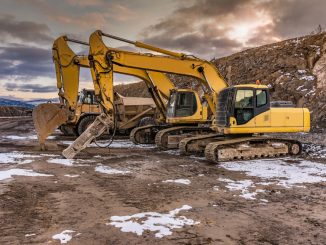

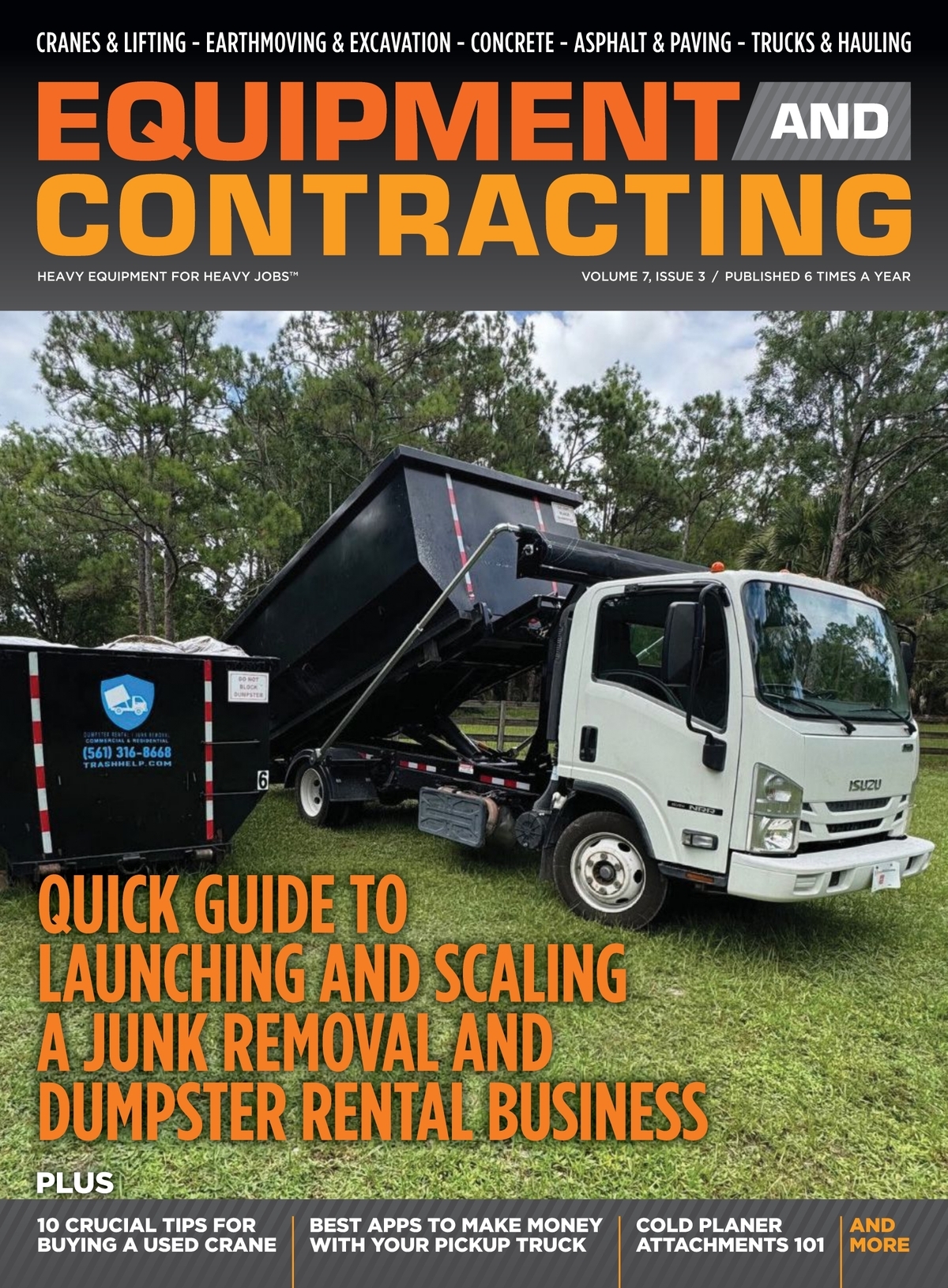
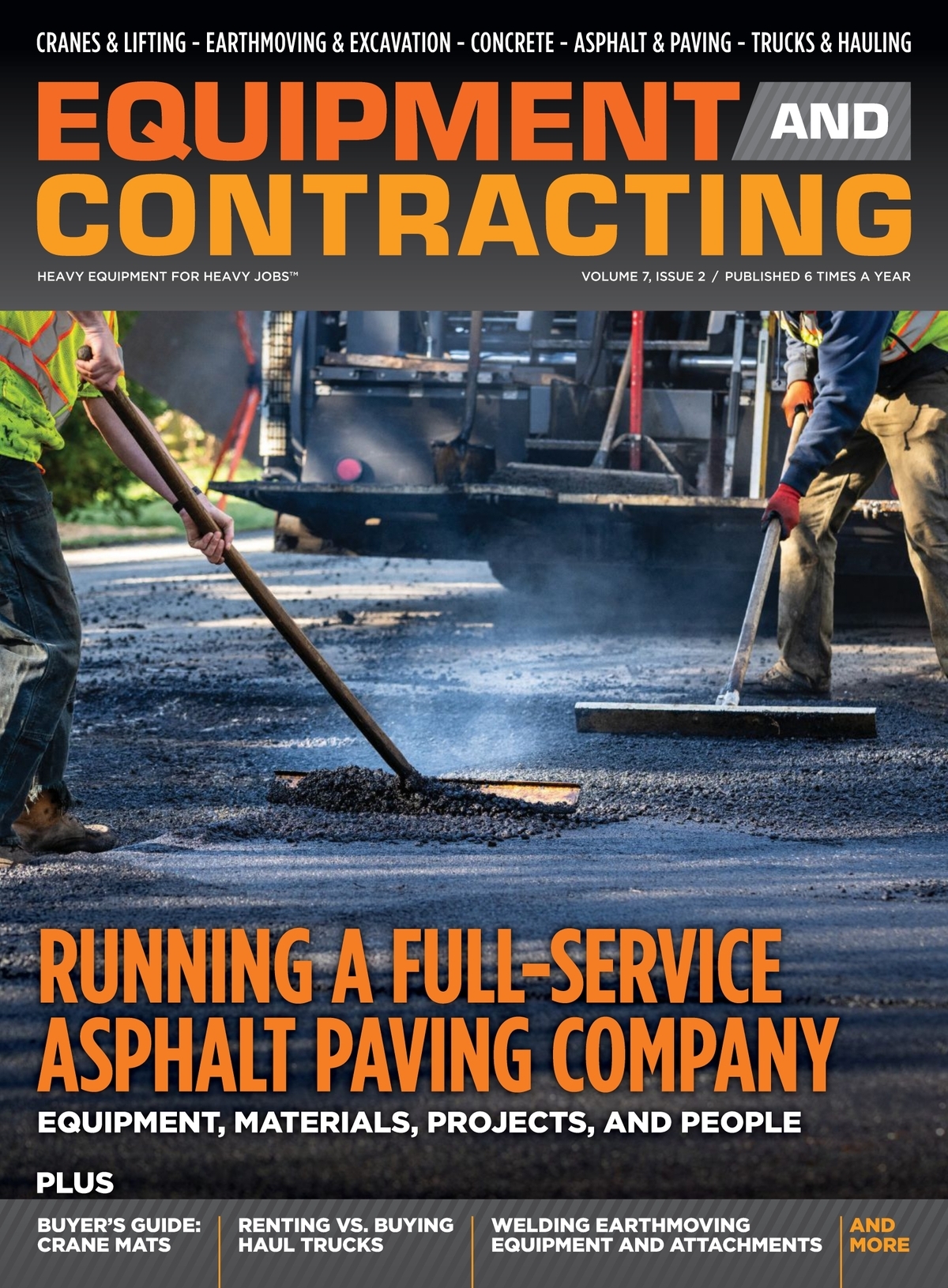
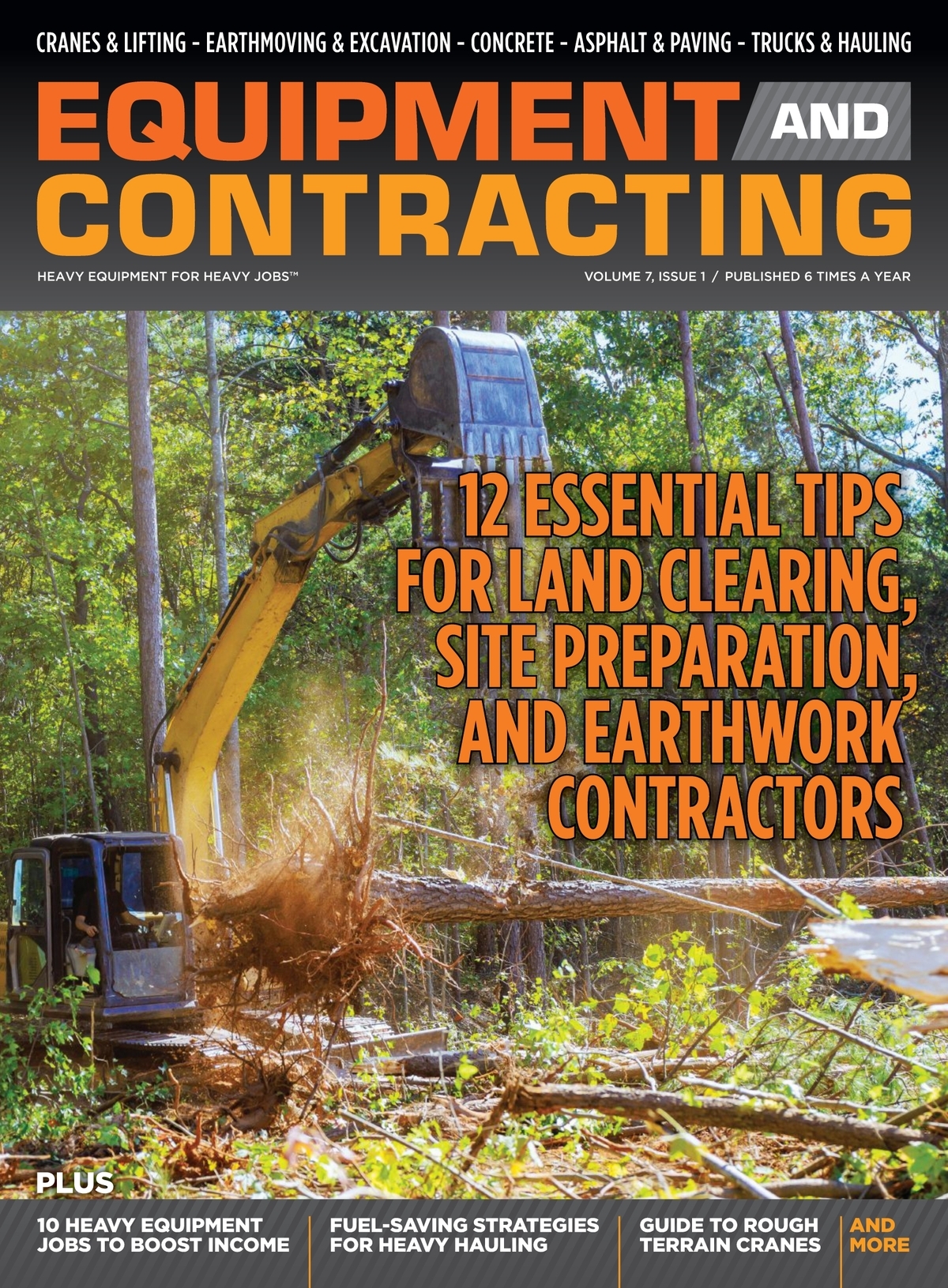
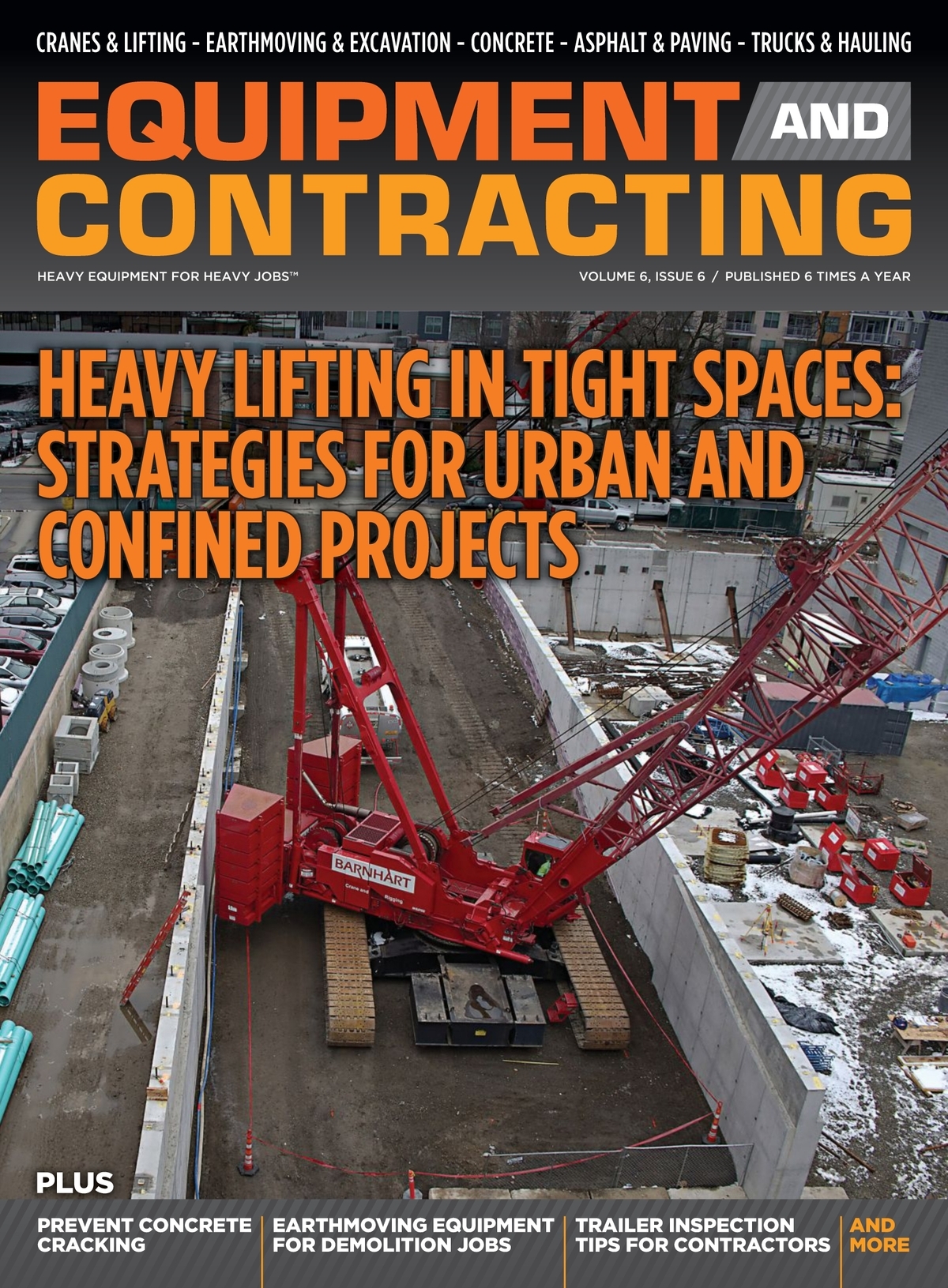






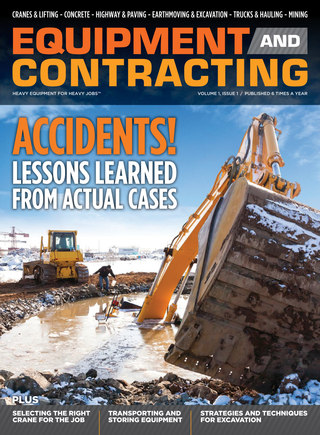

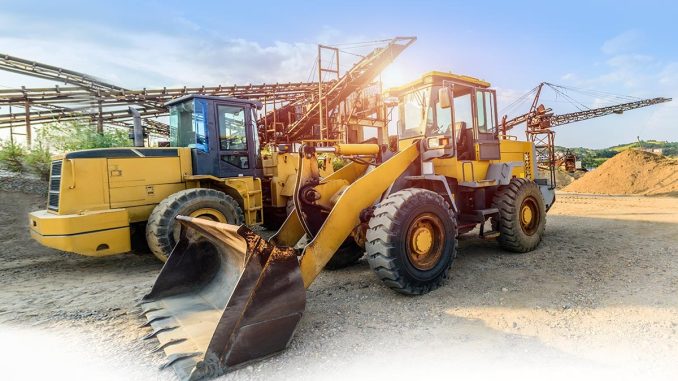
Purchasing surplus equipment has become a practical way for contractors, fleet managers, and industrial buyers to reduce costs while accessing reliable machinery. Surplus assets often come from companies that have upgraded fleets, completed large projects, or reorganized their operations. This creates real opportunities for buyers to secure quality equipment at competitive prices. Many organizations list these assets through an industrial surplus marketplace that simplifies discovery and provides valuable transparency across categories and conditions.
Understanding Surplus Equipment
What Surplus Equipment Typically Includes
Surplus equipment usually includes machines that are no longer required for active operations but remain in working condition. Excavators, loaders, generators, trucks, cranes, and support tools frequently appear in surplus channels. Most assets are sold because a project has ended or a company has standardized its fleet, not because the equipment has failed. Buyers can often find items that were previously maintained under corporate service schedules, which allows for better confidence in their long term performance.
How Surplus Differs From Used Equipment
While both categories involve pre owned machinery, surplus equipment tends to originate from structured asset management programs rather than informal individual sales. This often results in more organized documentation, clearer maintenance histories, and broader category selection. Surplus assets are also commonly sold through verified channels that allow buyers to evaluate multiple listings from different sellers in the same place.
Evaluating Condition and Documentation
Why Service Records Matter
Reliable documentation is one of the strongest indicators of equipment value. Service logs, inspection reports, and component replacement histories help buyers understand how the asset was managed throughout its lifecycle. When evaluating a machine, consistent maintenance records can reduce uncertainty and support more accurate estimates of remaining service life.
Conducting Visual and Mechanical Reviews
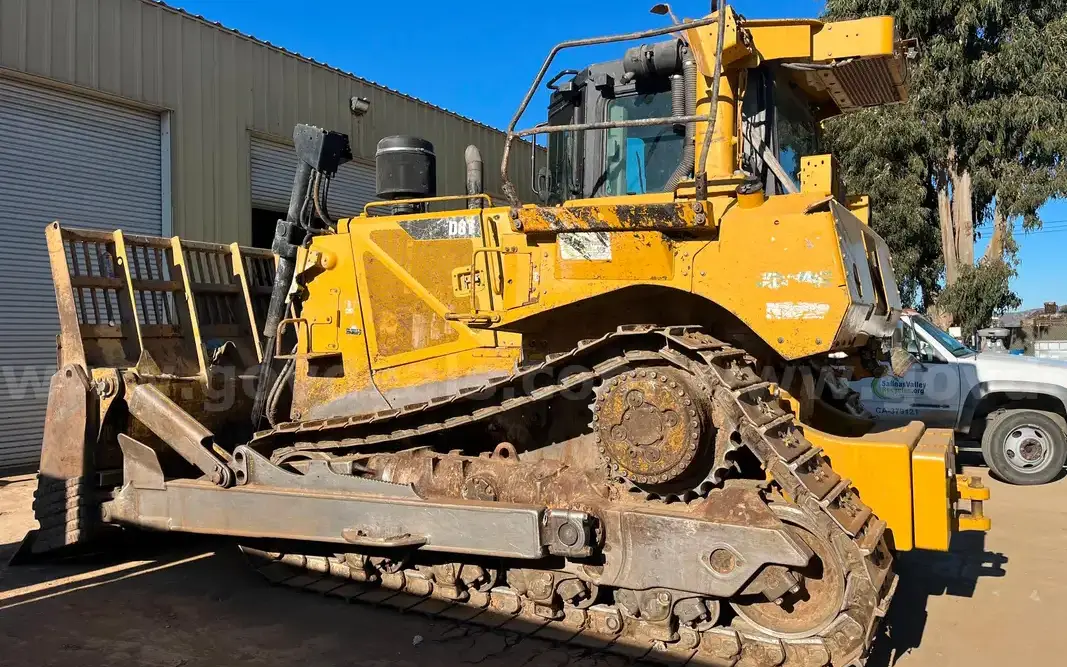
A thorough evaluation is essential before placing a bid or making a purchase. Buyers should examine wear points, check fluid levels, inspect hydraulic systems, and review the frame and undercarriage when applicable. Many sellers now provide third party inspection reports that detail machine operation, structural condition, and cosmetic appearance. These reports allow buyers to make informed decisions without traveling to the equipment site, which is particularly useful for remote and international purchases.
Pricing, Value, and Market Timing
Understanding Market Benchmarks
Surplus equipment pricing is strongly influenced by market demand, age, brand reputation, and condition. Buyers who monitor regional construction trends and seasonal project cycles tend to secure better deals. For example, heavy equipment demand typically rises before major public infrastructure seasons, which may affect pricing. Reviewing comparable listings across multiple channels helps determine what a reasonable bid or offer should be.
Total Cost Considerations
Beyond the purchase price, buyers should calculate transportation, installation, and any refurbishment costs. Some equipment may require inspections or certifications before entering service. Knowing these additional expenses upfront allows for more accurate budgeting and avoids unexpected financial strain once the asset arrives on site.
Benefits of Buying Surplus Equipment
Lower Capital Investment
Surplus equipment allows companies to expand fleets, replace aging machines, or take on new project types without the capital burden of buying new units. This can be especially useful for small to medium sized contractors who want to increase capacity with limited financial risk.
Faster Availability
New equipment can require long lead times, especially during supply chain disruptions. Surplus machines are often ready for immediate pickup or shipping. For contractors facing tight schedules or unexpected project requirements, fast access to equipment becomes a major advantage.
Broader Selection Across Categories
Surplus channels frequently offer items that are not always available through traditional dealers, including specialized attachments, older models that remain in high demand, and equipment configured for specific project environments. This variety helps buyers find exactly what they need rather than compromising on model or capability.
Navigating Digital Buying Platforms
Benefits of Online Marketplaces
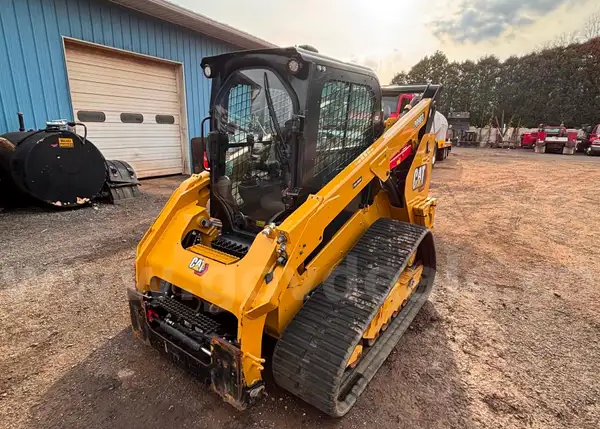
Modern platforms have changed the way surplus equipment is sourced. Buyers can compare listings, filter by category and location, review documentation, and participate in secure bidding processes from a single dashboard. Many platforms provide condition reports, seller history, and transparent pricing data, which increases trust and reduces the uncertainty commonly associated with pre owned machinery.
Understanding Auction Formats
Most digital platforms use timed auctions, reserve price formats, or direct purchase listings. Timed auctions allow competitive bidding within set windows, while reserve formats require a minimum price to activate a sale. Direct purchase listings offer fixed pricing for buyers who prefer a quicker transaction. Platforms built around online surplus auctions provide structured environments that are familiar to both individual buyers and institutional sellers.
Ensuring a Smooth Purchase Experience
Planning for Logistics and Transport
Transporting heavy equipment demands proper planning. Buyers should confirm dimensions, weight, loading requirements, and site accessibility before booking freight. Many surplus sellers offer assistance or third party contacts to make this process easier. Verifying shipping arrangements early prevents delays once the purchase is complete.
Completing Payment and Transfer
Reputable marketplaces provide secure payment systems that protect both parties. Buyers should keep copies of invoices, transfer documents, and inspection results for future reference. Clear communication with the seller ensures that all documentation arrives with the equipment, which supports future resale and maintenance records.
Buying surplus equipment offers a cost effective way to strengthen fleets, secure specialized machinery, and meet project demands without taking on the high financial load of new purchases. With careful evaluation, clear documentation, and strategic bidding, buyers can acquire dependable assets that perform well for years. Digital marketplaces make this process more accessible by connecting buyers to verified sellers and a broad range of equipment categories. Surplus remains a practical and efficient path to expanding operational capability while keeping budgets under control.
Surplus equipment comes from completed projects or fleet upgrades and is sold at lower cost despite being well maintained and operational.
They should review service records, inspection reports, and total ownership costs before bidding or buying. What is surplus equipment and why is it often cheaper than new machinery?
How can buyers reduce risk when purchasing surplus equipment online?