








View the complete article here.
Construction projects are becoming more challenging as contractors work in dense urban environments, active industrial facilities, and interior renovation sites with limited access. Traditional lifting equipment often struggles in these conditions because of its size, setup requirements, and operating radius. This has increased demand for compact lifting equipment that can safely maneuver through narrow pathways, indoor environments, and restricted job sites while still handling demanding lifting tasks.
Why Confined Space Lifting is Challenging
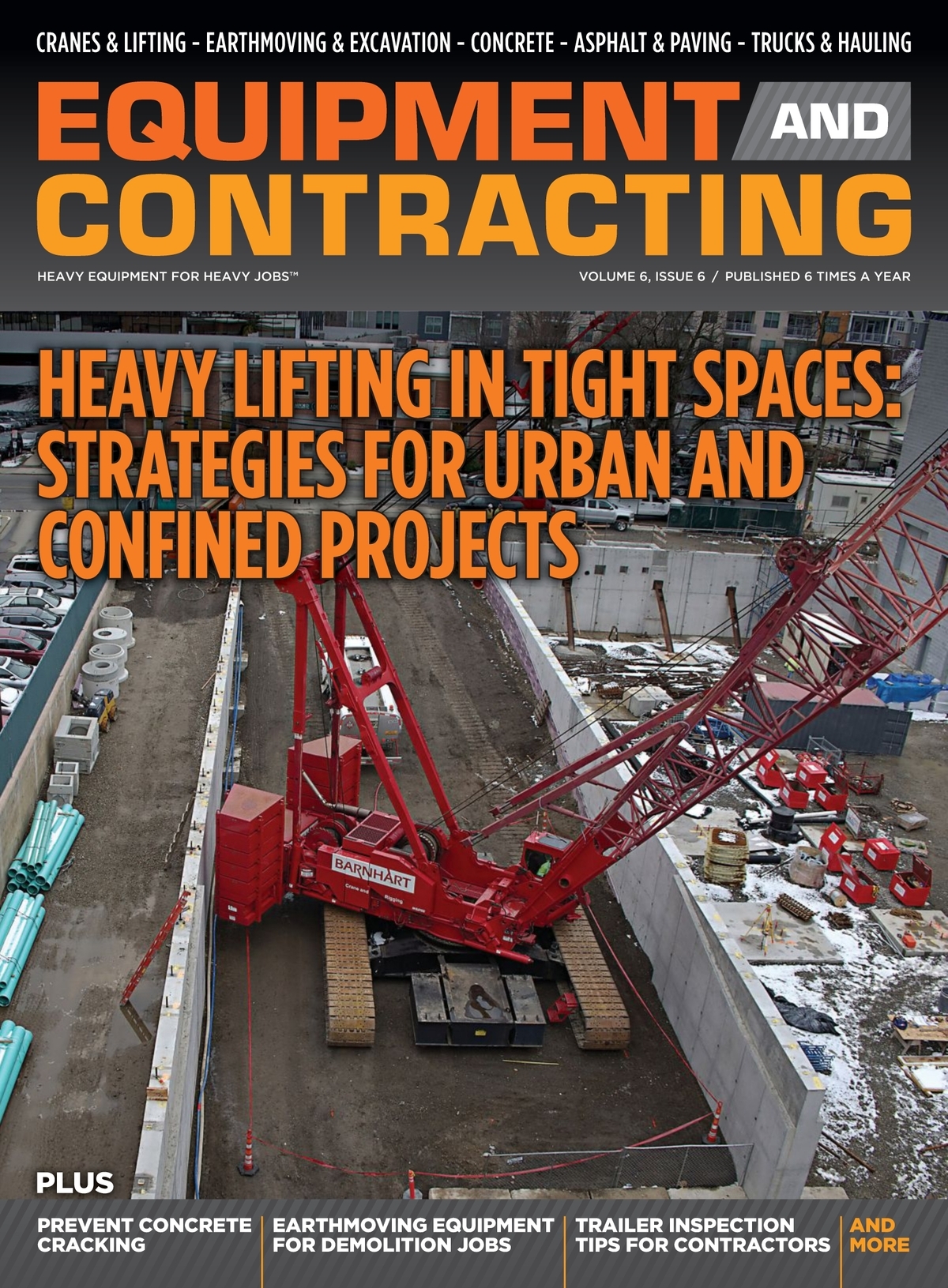
Confined spaces create unique problems for contractors because equipment movement becomes limited and setup areas are reduced. In many projects, cranes must operate near existing structures, active production lines, finished flooring, or occupied buildings. Larger cranes may require extensive site preparation, road closures, or additional support equipment that can increase project costs and delays.
Indoor projects add another layer of difficulty. Warehouses, manufacturing facilities, shopping centers, and multi story renovations often have height restrictions and limited entry points. Contractors may need equipment that can pass through standard doorways or elevators while still providing enough lifting capacity for mechanical units, steel components, glass panels, or structural materials.
This is one reason many contractors are turning to compact lifting equipment that is designed for restricted access projects where conventional cranes cannot operate efficiently.
What Makes Spider Cranes Different
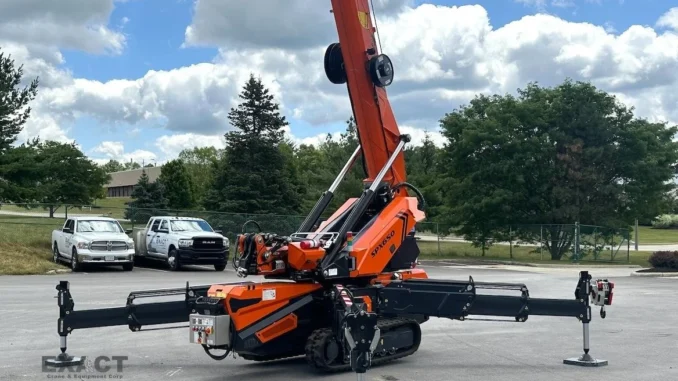
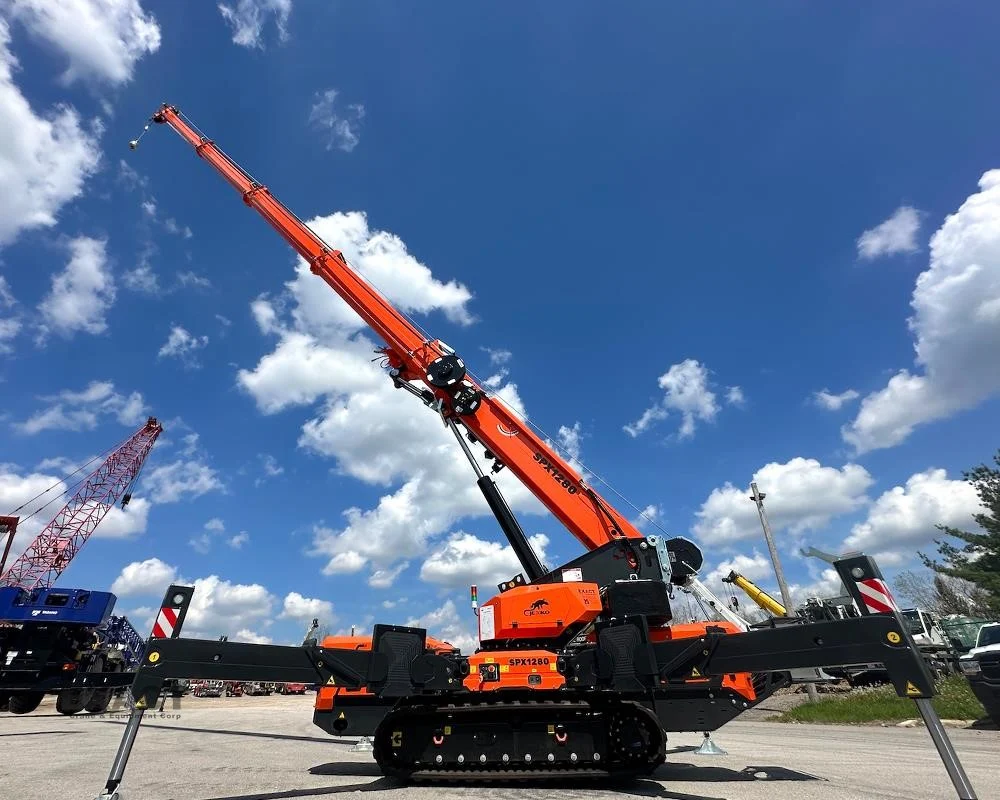
Spider cranes are designed specifically for lifting operations in confined or difficult to access areas. Their compact dimensions allow them to travel through narrow openings while their stabilizing outriggers create a secure lifting platform once the crane is in position. Many models use rubber crawler tracks, which improve mobility on uneven terrain and reduce surface damage compared to heavier lifting equipment.
Some spider cranes are narrow enough to fit through standard doorways while still offering significant lifting capacity relative to their size. Manufacturers and equipment providers commonly use these cranes for indoor lifting, rooftop projects, glazing work, industrial maintenance, and machinery relocation.
Another important advantage is setup flexibility. Spider cranes can often operate in spaces where truck mounted cranes or larger crawler cranes cannot deploy outriggers safely. Their compact footprint allows operators to work closer to structures and materials, which improves precision during lifts.
How Spider Cranes Improve Indoor Construction
Indoor lifting projects require precise positioning and careful movement around existing structures. Contractors working inside factories, commercial buildings, or renovation sites often need equipment that minimizes disruption while maintaining lifting performance.
Spider cranes are commonly used for installing HVAC units, moving industrial machinery, and handling glass panels inside buildings. Electric and battery powered models are also becoming more popular because they can operate indoors with reduced emissions and lower noise levels compared to diesel powered equipment.
Because these cranes are compact and lightweight, contractors can sometimes transport them between floors using freight elevators or construction lifts depending on the equipment size and building capacity. This allows crews to complete lifting operations in locations that would otherwise require extensive dismantling or external crane access.
In crowded construction zones, operators also benefit from remote control functionality available on many mini crane models. Precision controls can help crews position loads more accurately while maintaining visibility in restricted areas.
Applications Across Multiple Industries
Spider cranes are used across a wide range of industries because confined access challenges exist far beyond commercial construction projects. Industrial maintenance contractors frequently use compact cranes to relocate equipment inside manufacturing plants or processing facilities where production areas have limited space.
Glass and curtain wall installation is another major application. Contractors often need to maneuver large glass panels through restricted urban sites or interior atriums where traditional cranes cannot reach safely. Compact cranes allow crews to position materials with greater control in these sensitive environments.
Historic restoration projects also benefit from smaller lifting equipment. Older buildings may have narrow access points, fragile flooring systems, or preservation requirements that limit the use of heavier cranes. Spider cranes provide lifting capability while reducing the impact on surrounding structures.
Rooftop lifting operations are another growing use case. Mechanical contractors frequently need to place HVAC systems or maintenance equipment on rooftops where weight restrictions and limited access make larger cranes impractical.
As more projects move into urban environments with tighter job site conditions, contractors continue searching for mini crane that improve access without sacrificing lifting performance.
Safety Advantages in Restricted Areas
Safety becomes even more important when crews work in confined spaces. Limited movement areas increase the risk of collisions, unstable positioning, and visibility challenges during lifting operations. Compact cranes help reduce some of these risks because they are specifically designed for controlled lifting in restricted environments.
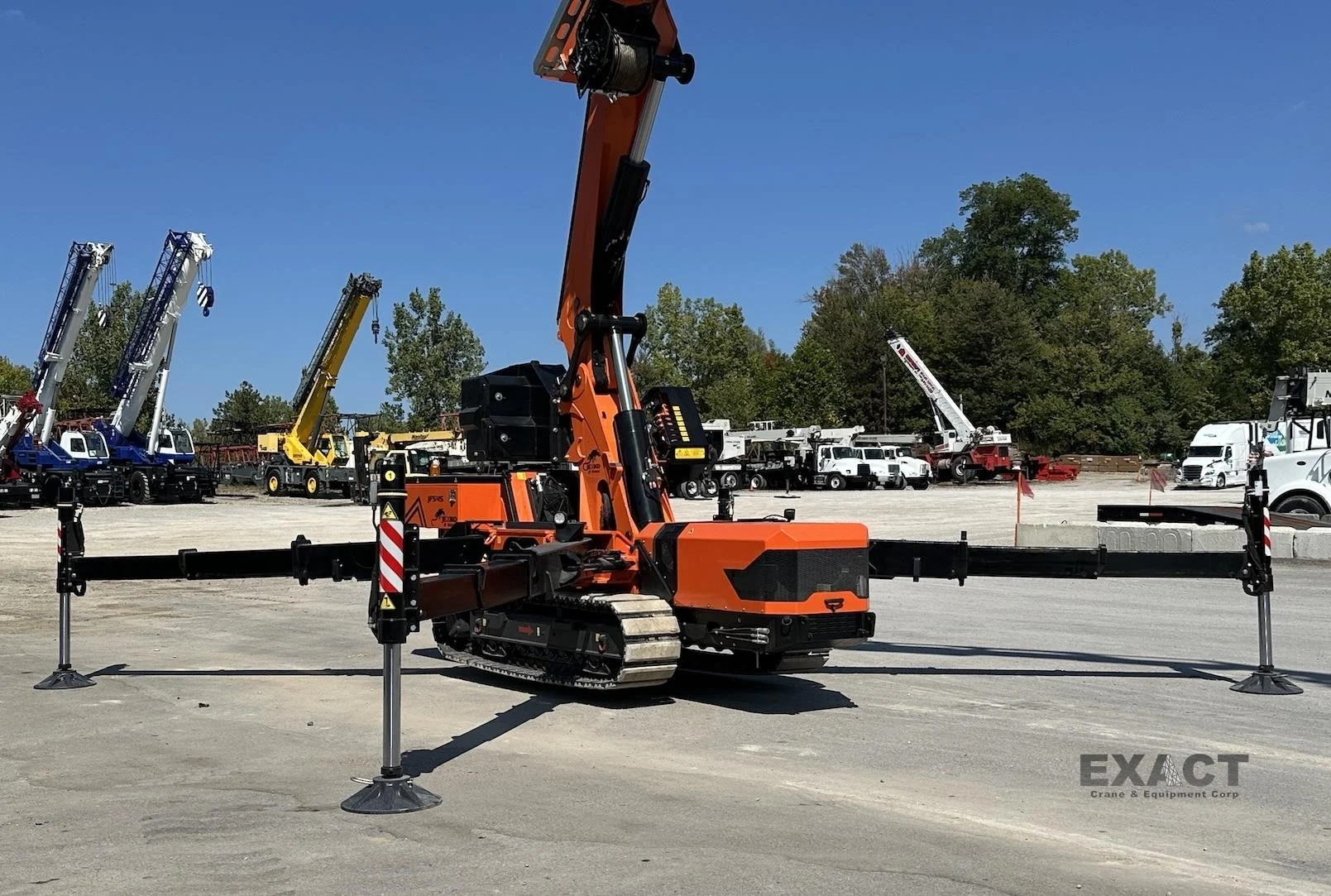
Many spider cranes feature advanced stabilization systems, adjustable outriggers, and overload protection technology that improve operational safety. Their smaller footprint can also reduce congestion on crowded job sites, helping crews maintain safer working conditions around active lifting operations.
Operator visibility is another advantage. Remote control systems and precise positioning controls allow operators to maintain better sightlines during lifts, especially when working around existing structures or inside buildings.
Proper planning and operator training remain critical for any lifting operation, but equipment designed specifically for confined access work can help contractors complete difficult projects more efficiently while maintaining safety standards.
The Growing Demand for Compact Lifting Equipment
The demand for spider cranes and other compact lifting solutions is expected to continue growing as construction projects become more space constrained. Urban redevelopment, industrial modernization, and interior renovation work all require lifting equipment that can adapt to difficult access conditions without slowing down project schedules.
Contractors are increasingly looking for equipment that combines mobility, lifting performance, and flexibility in a smaller footprint. Spider cranes continue to fill that role because they allow crews to complete lifts in places where traditional cranes may not be practical.
As job sites become tighter and project timelines become more demanding, compact lifting equipment will likely play an even larger role in helping contractors work safely and efficiently in confined spaces.
View the complete article here.

What is a spider crane used for in construction?
A spider crane is used for lifting heavy materials in confined spaces where traditional cranes cannot safely access or operate.
Why are spider cranes ideal for indoor lifting projects?
Spider cranes offer compact dimensions, precise controls, and low-emission options that make them well suited for indoor construction and renovation work.