














Selecting the right boom sections is a critical decision in heavy contracting projects, directly affecting lift capacity, safety margins, and operational efficiency. Boom configuration determines how well a crane can adapt to changing jobsite conditions, from tight urban footprints to expansive infrastructure builds. Contractors who understand how boom length and capacity interact with load charts, ground conditions, and lift geometry are better positioned to avoid costly delays, equipment strain, and safety risks while maximizing productivity.
Understanding Boom Sections in Heavy Contracting
What Boom Sections do on Modern Cranes
Boom sections extend the working reach of a crane while influencing its load capacity and stability. Telescoping and lattice boom systems allow operators to adjust reach depending on lift requirements, but each additional section changes the crane’s center of gravity and rated capacity. Manufacturers publish detailed load charts that specify allowable loads at different boom lengths, angles, and radii, making boom selection a data driven process rather than a guess.
Why Boom Selection Impacts Performance
Improper boom section selection can lead to underutilized equipment or, worse, unsafe lifting conditions. Excessive boom length reduces lifting capacity and may require additional counterweight or ground preparation. Choosing the appropriate boom configuration ensures the crane operates within rated limits while maintaining efficiency throughout the project lifecycle. Many contractors rely on experienced crane service providers and crane equipment solutions to assess boom configurations that align with jobsite demands and lift plans.
Matching Boom Length to Jobsite Conditions
Evaluating Lift Radius and Reach Requirements
Lift radius is one of the most influential factors in boom selection. A longer boom increases reach but reduces allowable load, while a shorter boom increases lifting capacity but limits coverage. Jobsite planning should begin with identifying the maximum and minimum radii required for all planned lifts. This includes accounting for obstructions, swing paths, and pick and set locations that may require additional clearance.
Working in Confined or Congested Jobsites
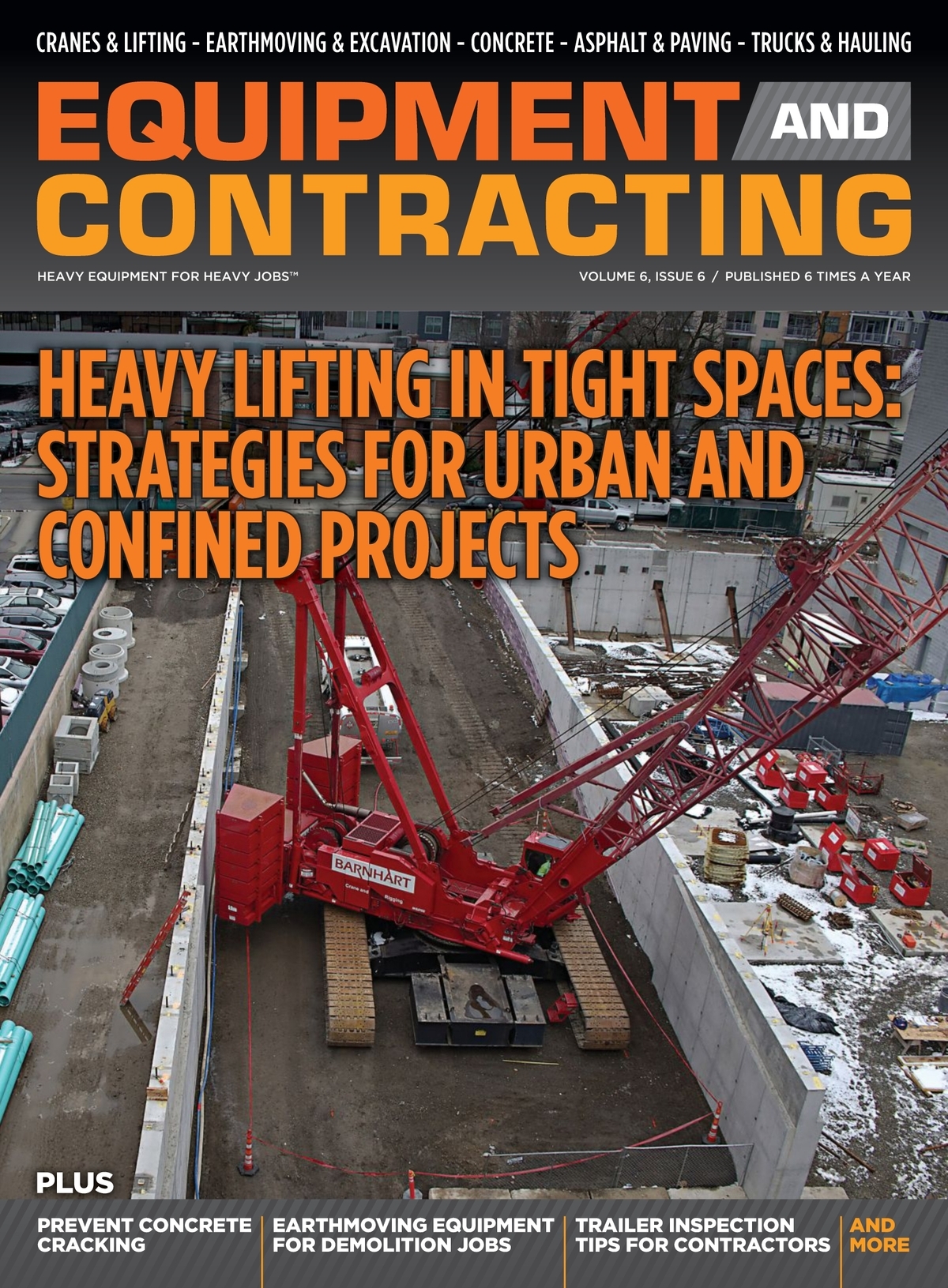
Urban construction and industrial retrofit projects often limit crane positioning options. In these scenarios, contractors may be tempted to extend boom length to compensate for restricted placement. However, longer boom sections amplify deflection and reduce lifting capacity. Selecting the shortest possible boom that meets reach requirements improves control and minimizes structural stress, which is especially important when lifting sensitive or high value components.

Capacity Considerations and Load Charts
How Boom Length Affects Rated Capacity
Every crane load chart reflects the relationship between boom length, radius, and capacity. As boom length increases, the crane’s rated capacity decreases due to leverage forces acting on the structure. Ignoring this relationship can lead to lifts that appear feasible but exceed allowable limits once dynamic factors such as wind or load swing are considered.
Interpreting Load Charts Correctly
Accurate load chart interpretation requires understanding whether values are based on structural limits or tipping limits. Contractors must also consider deductions for rigging, hook blocks, and auxiliary equipment. Consulting crane manufacturers and trusted crane service and support resources helps ensure that boom section decisions align with published ratings and industry standards.
Ground Conditions and Structural Stability
The Role of Ground Bearing Pressure
Boom selection affects ground bearing pressure by altering load distribution through the crane’s carrier or crawler system. Longer boom sections often require additional counterweight, increasing total machine weight. Ground conditions must be evaluated to ensure they can support the combined load without excessive settlement or instability.
Coordinating Boom Selection with Site Preparation
Proper site preparation works hand in hand with boom configuration. Mats, cribbing, and engineered pads may be required to safely support cranes operating with extended boom sections. Selecting an appropriate boom length early in the planning phase allows contractors to design ground improvements that support safe and efficient operations.
Balancing Flexibility and Efficiency
Avoiding Overconfiguration
Overconfiguring a crane with excessive boom sections can lead to inefficiencies, including slower cycle times and increased fuel consumption. It may also require additional assembly time, impacting project schedules. Selecting boom sections that closely match lift requirements helps balance flexibility with operational efficiency.
Planning for Multiple Lift Scenarios
Heavy contracting projects often involve varied lift requirements over time. Contractors should consider whether a single boom configuration can accommodate multiple lifts or if reconfiguration will be necessary. Strategic planning reduces downtime and ensures the crane remains productive as project needs evolve. Access to comprehensive crane equipment resources can support informed decisions during this planning stage.

Safety and Compliance Factors
Managing Deflection and Load Control
Longer boom sections increase deflection under load, which can affect precision placement and load stability. Excessive deflection may also increase wear on boom components. Selecting the appropriate boom length improves control and reduces the risk of sudden movements that could endanger personnel or equipment.
Aligning Boom Selection with Industry Standards
Boom configuration decisions must comply with applicable safety standards and manufacturer guidelines. Regulatory bodies and industry organizations emphasize adherence to rated capacities and approved configurations. Using manufacturer approved boom sections and consulting experienced crane specialists helps ensure compliance while protecting long term equipment integrity.
Reducing Downtime Through Proper Planning
Minimizing Reconfiguration Delays
Frequent boom reconfiguration can disrupt project timelines and increase labor costs. Thoughtful planning that anticipates lift requirements reduces the need for adjustments mid project. This proactive approach keeps equipment operational and minimizes idle time.
Long Term Equipment Health
Operating a crane within optimal boom configurations reduces stress on structural components, hydraulic systems, and wear surfaces. Over time, this contributes to lower maintenance costs and extended service life. Contractors who prioritize correct boom selection often see improved reliability and fewer unexpected repairs.
Final Considerations for Heavy Contracting Projects
Selecting the right boom sections is a balance of reach, capacity, safety, and efficiency. Contractors who invest time in understanding load charts, ground conditions, and lift geometry are better equipped to match boom length and capacity to real world jobsite demands. Leveraging experienced crane service providers and trusted crane equipment expertise ensures boom configurations support both immediate project goals and long term operational success.