








Choosing between rubber tracks and tires is one of the most important decisions contractors make when operating compact and mid-sized construction equipment. While both options are widely used across job sites, their impact on productivity, efficiency, and operating costs varies depending on terrain and application. Understanding when to use each system can help contractors reduce delays, improve machine performance, and maximize output across different working conditions.
Understanding the Core Differences
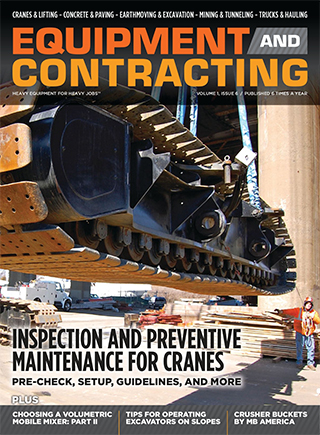
Rubber tracks and tires are designed to perform under different conditions. Tracks distribute machine weight across a larger surface area, which reduces ground pressure and improves stability. This allows equipment to operate more effectively on soft or uneven terrain such as mud, sand, or loose soil.
Tires, on the other hand, concentrate weight over a smaller contact area. This results in higher ground pressure but allows for faster travel speeds and better maneuverability on hard, stable surfaces. The choice between the two often comes down to how well each system aligns with the demands of the job site.
Traction and Ground Pressure Considerations
Traction plays a critical role in determining how efficiently a machine can perform its tasks. Rubber tracks provide superior traction in low-friction environments by maintaining continuous contact with the ground. This reduces slippage and allows machines to maintain consistent performance even in challenging conditions.
Lower ground pressure also helps prevent soil compaction, which is particularly important in landscaping, grading, and environmentally sensitive projects. Tires, while offering less traction in soft terrain, perform well on compacted surfaces where stability and speed are more important than flotation.
Contractors evaluating rubber track solutions for compact construction equipment often consider how ground conditions impact productivity and whether reduced slippage can improve cycle times.
Speed, Maneuverability, and Efficiency
Tires generally allow machines to move faster across job sites, especially on paved or compacted surfaces. This can improve efficiency in applications where equipment needs to travel frequently between locations. Their ability to turn more easily also enhances maneuverability in tight spaces.
Rubber tracks, while slower, provide greater stability during operation. This can improve precision during tasks such as grading or material handling. In environments where control and traction are more important than speed, tracks often deliver better overall performance.
Impact on Machine Wear and Maintenance
The choice between tracks and tires also affects maintenance requirements and long-term equipment wear. Rubber tracks tend to wear faster when used on hard or abrasive surfaces such as asphalt or concrete. Continuous operation in these conditions can reduce their lifespan and increase replacement costs.
Tires are generally more durable on hard surfaces and require less frequent replacement in these environments. However, they are more susceptible to punctures and damage when operating in rough or debris-filled conditions. Maintenance practices such as proper inflation and regular inspections are essential to maximizing tire lifespan.
Productivity Differences Across Jobsite Conditions
Jobsite conditions ultimately determine which option delivers better productivity. In soft or uneven terrain, rubber tracks reduce slippage and allow machines to maintain consistent movement. This can shorten cycle times and improve overall efficiency.
On hard surfaces, tires often outperform tracks due to their speed and lower rolling resistance. Machines can complete tasks more quickly and consume less fuel during travel. In mixed environments, productivity gains depend on how frequently equipment transitions between different surface types.
Cost Considerations and Long-Term Value
Upfront costs for rubber tracks are typically higher than standard tires, and replacement costs can also be significant depending on usage. However, in the right conditions, tracks can improve productivity enough to offset these expenses. Reduced slippage and better stability can lead to faster task completion and fewer operational delays.
Tires generally offer a lower initial investment and can provide longer service life on suitable surfaces. However, in environments where traction is limited, reduced efficiency may increase overall operating costs. Evaluating total cost requires considering not only purchase price but also performance, maintenance, and productivity outcomes.
When to Use Tracks, Tires, or Both
There is no universal solution that fits every job site. Rubber tracks are best suited for soft, wet, or uneven terrain where traction and stability are critical. Tires remain the preferred choice for hard surfaces, high-speed applications, and environments where maneuverability is essential.
Many contractors adopt a mixed fleet approach, using both tracked and wheeled machines depending on project requirements. This allows them to optimize performance across different conditions and maintain consistent productivity regardless of terrain.
Access to compact equipment mobility solutions for construction sites can help contractors evaluate which option aligns best with their operational needs and long-term goals.
Choosing Based on Jobsite Reality
The decision between rubber tracks and tires should always be based on real jobsite conditions rather than assumptions. Factors such as terrain type, workload, travel distance, and project timelines all influence which option delivers the best results. By aligning equipment choice with these variables, contractors can improve efficiency, reduce wear, and achieve better overall productivity across their operations.