



View the complete article here.
Construction sites are dynamic work environments where heavy materials and components are constantly being moved and placed. Ensuring rigging gear best practices for safe lifting protects workers from serious hazards and supports project timelines by preventing avoidable accidents. Occupational safety codes and industry guidance provide clear requirements for inspection, load handling, and qualified personnel to improve outcomes on site. Following established protocols allows construction teams to manage risk effectively while complying with regulatory standards.
Rigging Inspection with Qualified Personnel
Importance of Pre Use and Periodic Inspections
One of the fundamental practices in safe rigging is performing rigging gear inspection before every use and at regular intervals. OSHA regulations state that rigging equipment for material handling must be inspected prior to use on each shift and as necessary during use to ensure that the gear is safe. These inspections are designed to catch damage, wear, or deformities that might compromise the integrity of slings, chains, ropes, hooks, and other rigging components. Having clear inspection criteria prevents equipment failure that could cause loads to drop unexpectedly.
Qualified personnel trained in rigging gear inspection are essential because they can identify subtle signs of stress and damage that might be overlooked by untrained workers. Industry best practices reinforce that visual checks by operators are complemented by more detailed periodic inspections conducted by trained, competent inspectors. Awareness of standards and correct interpretation of rigging condition ensure that defective gear is taken out of service immediately and replaced or repaired.
Identification Tags and Documentation
All rigging equipment must carry permanently affixed identification that includes safe working load limits. Legible tags help teams verify that components are appropriate for the intended load and comply with manufacturer specifications before the lift begins. When markings are missing or illegible, the equipment should be considered unsafe for use.
Documentation of inspection results, justifications for equipment removal, and certifications of qualified inspectors strengthen safety programs by creating traceable records. Keeping detailed logs of maintenance and periodic reviews supports ongoing compliance and helps organizations track trends that may require changes in practice or further training.
Proper Load Handling and Rigging Techniques
Understanding Load Capacity and Center of Gravity
Knowing the safe working load and the weight of a load is critical to rigging success and worker safety. Rigging gear must never be loaded beyond its rated capacity as determined by manufacturer guidance and regulatory standards. Exceeding load limits increases stress on the rigging system and raises the risk of equipment deformation or breakage during lifting.
Alongside weight considerations, identifying the center of gravity of a load helps ensure that it remains stable throughout the lift. A balanced lift reduces the likelihood of load swing and sudden shifts that can lead to accidents, injuries, or property damage. Understanding how to distribute load forces and maintain stability is a core rigging skill trained through industry programs and reinforced on site.
Using Appropriate Rigging Hardware and Setups
Selecting the correct type of sling, shackle, or rope for the specific lifting task is another essential best practice. Different hardware is engineered for specific loads and angles, and using the wrong component can introduce unsafe stress into the system. Proper rigging gear selection includes understanding how to orient joints, hooks, and attachments so that load forces are aligned with rated strength directions.
Industry guidance also highlights that homemade rigging solutions or knots in ropes significantly reduce load capacity and should be avoided because they compromise safety. Ensuring that all gear is manufactured to purpose and certified helps teams achieve consistent and reliable performance.
Communication Protocols on The Jobsite
Visual Signals and Radio Communication
Safe rigging operations involve multiple personnel including riggers, crane operators, ground guides, and site supervisors. Establishing and maintaining effective communication between these individuals reduces the risk of misunderstood instructions that could lead to mistakes. Verified methods for communication include standardized hand signals and two way radios which help ensure that everyone shares the same understanding of the lift sequence and timing.
Clear and unambiguous communication is particularly important when visibility is limited or when critical adjustments are being made on site. Assigning specific roles for signaling and directing lifts helps ensure a synchronized approach to rigging operations.
Spotters and Crew Awareness
Using spotters during lifts adds an additional safety layer by increasing spatial awareness around rigging activities. Spotters monitor the movement of loads, confirm clearances, and can immediately alert operators if an unsafe condition arises. Keeping all workers informed about planned moves and maintaining open communication channels supports proactive safety behaviors that prevent incidents before they occur.
Worksite Safety Culture and Training
Training For Competency and Ongoing Education
Competent personnel who understand rigging principles significantly improve safety outcomes. Construction sites should invest in formal training and certification programs that equip riggers with knowledge of load charts, hookup methods, hazard recognition, and emergency procedures. These programs reinforce not only technical skills but also safety ethics, helping crews make informed decisions throughout the course of a project.
Ongoing education ensures that team members remain current with updates to standards and emerging safety practices. Training refreshers and hands-on exercises help maintain a high level of readiness and confidence among rigging teams.
Risk Assessment and Hazard Prevention
Before any rigging operation begins, a comprehensive risk assessment helps identify potential hazards and control measures. Considering environmental conditions like wind or rain, proximity to power lines, ground stability, and worker positioning allows site leaders to mitigate risks effectively. Risk assessment is not a one time activity but should be reviewed periodically as conditions change during a project.
Creating a culture where workers feel empowered to stop unsafe operations and raise concerns without hesitation promotes a safer work environment. Encouraging feedback and continuous improvement contributes to a safety culture where everyone takes responsibility for minimizing risk.
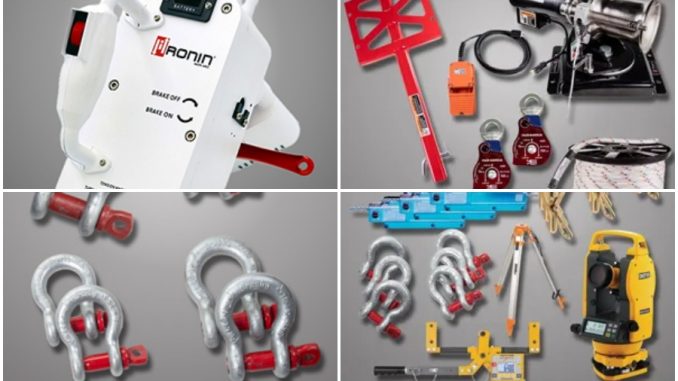
Using certified rigging inspection tools and reliable lifting gear components from trusted suppliers improves safety and performance on construction sites. You can enhance rigging operations and reduce downtime by sourcing high quality rigging gear and lifting equipment that meet industry standards and manufacturer specifications.
Safe lifting on construction sites starts with a disciplined approach to rigging gear best practices. Pre use inspection routines, competent personnel, proper load handling techniques, effective communication, and a proactive training culture are all essential components of a successful safety program. Adhering to regulatory guidelines, such as those established by OSHA for rigging equipment and material handling, helps construction teams prevent accidents, protect workers, and avoid costly delays. By embracing established safety standards and continuously evaluating practices on site, construction crews can reduce risk and ensure that every lift is performed with precision and care.