





























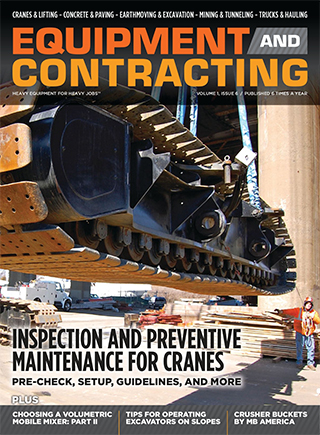







Overhead cranes are critical assets in heavy contracting projects, moving large materials efficiently across job sites and production facilities. Any unexpected crane failure can halt operations, delay timelines, and result in costly repairs. Routine inspections and preventive maintenance are essential to ensure safety, maintain productivity, and comply with regulatory requirements. Understanding inspection procedures, documenting findings, and implementing timely repairs reduces downtime while protecting workers and equipment. Contractors who prioritize crane inspections can optimize operational efficiency and minimize risks on complex projects.
Integrating scheduled crane inspection services for industrial projects into your maintenance program helps prevent operational disruptions and keeps compliance records current. These services include structural checks, hoist and trolley assessments, and mechanical and electrical system evaluations to maintain safe and reliable crane performance.
Importance of Overhead Crane Inspections
Ensuring Worker Safety and Equipment Reliability
Safety is the primary reason for regular crane inspections. Overhead cranes handle heavy loads that can pose significant hazards if equipment fails. Inspections detect issues such as frayed wire ropes, worn gears, malfunctioning brakes, or structural fatigue before they result in accidents. Consistently inspecting cranes ensures operators and personnel remain safe while preventing unexpected equipment breakdowns.
Reliability is closely tied to safety, as even minor defects can escalate into operational failures. Scheduled inspections reduce the risk of downtime and keep construction timelines on track. By identifying potential problems early, contractors maintain trust in their equipment and workforce efficiency.
Regulatory Compliance and Industry Standards
Compliance with OSHA and industry-specific standards is a legal and operational requirement. Overhead cranes must meet federal and local safety regulations, which dictate inspection frequency, documentation, and maintenance actions. For heavily used cranes, monthly or quarterly inspections may be necessary in addition to annual assessments. Keeping detailed inspection records demonstrates adherence to standards, supports audits, and reduces liability in case of incidents.
Adopting established industry inspection protocols, such as those recommended by the Crane Manufacturers Association of America (CMAA), ensures consistent safety practices across projects. Compliance with both OSHA and CMAA standards reinforces organizational commitment to safe and effective operations.
Key Components of Overhead Crane Inspections
Structural Evaluation
The structural framework of a crane must be examined for cracks, corrosion, or deformation. Components such as bridge beams, end trucks, and rails are subject to heavy stresses during normal operation. Inspecting these areas prevents catastrophic failures and ensures load-bearing capacity remains within manufacturer specifications.
Visual checks combined with non-destructive testing methods, such as ultrasonic or magnetic particle inspection, help identify hidden defects. Maintaining structural integrity is essential for operational safety and long-term equipment performance.
Mechanical And Electrical System Assessment
Mechanical components like hoists, trolley systems, brakes, and gears must be carefully examined. Inspectors look for wear, lubrication deficiencies, and alignment issues that can impair performance. Electrical systems including control panels, limit switches, and wiring are checked for proper operation and signs of deterioration. Faulty electrical components may cause operational delays or unsafe movement, making their evaluation a critical part of the inspection.
Proper preventive maintenance, including lubrication and timely replacement of worn parts, extends equipment life and minimizes the chance of sudden failures. Electrical checks ensure that operator controls and safety interlocks function reliably under load conditions.
Load Testing and Operational Verification
Load testing verifies that the crane can safely lift its rated capacity without issues. This test is performed using calibrated weights under controlled conditions to evaluate mechanical, structural, and electrical performance. Operational verification also includes testing emergency stops, limit switches, and crane motion accuracy. By performing these tests, contractors confirm that cranes are ready for full-scale operation and meet safety requirements.
Frequent operational checks combined with routine inspections create a comprehensive approach that mitigates risks associated with heavy lifts. They also help teams catch minor defects before they escalate into costly repairs or downtime.
Inspection Documentation and Reporting
Record Keeping for Compliance
Maintaining accurate records of inspections, maintenance, and repairs is a regulatory necessity. Documentation should include dates, findings, corrective actions, and inspector details. Well-maintained records demonstrate compliance with OSHA, CMAA, and local regulations, and provide traceable evidence for audits or safety reviews.
Effective record keeping also allows project managers to identify recurring issues and track the lifespan of critical components. This information helps plan preventive maintenance schedules and allocate resources efficiently.
Communication and Corrective Action
Inspection reports should be communicated promptly to operations and maintenance teams. Identified issues must be addressed according to their severity to prevent operational delays or safety incidents. Critical defects require immediate attention while minor issues are scheduled for corrective maintenance without compromising ongoing work.
Integrating these procedures ensures that crane operators and site supervisors are aware of equipment conditions and can plan lifts safely. Timely corrective action reduces downtime and contributes to long-term reliability.
Preventing Downtime Through Proactive Maintenance
Scheduled Preventive Maintenance
Routine maintenance is essential to keep cranes in peak operating condition. Lubrication, component replacement, and functional tests performed at regular intervals prevent failures before they occur. A proactive maintenance program extends the life of mechanical and electrical systems, reducing unexpected shutdowns.
Maintenance schedules tailored to usage patterns, load frequency, and environmental conditions maximize equipment uptime. Contractors who implement comprehensive preventive programs experience fewer project delays and lower repair costs.
Operator Training and Daily Checks
Daily pre-operation checks by trained operators complement formal inspections. Operators verify hook condition, limit switches, emergency stops, and rope or chain integrity before each use. This immediate awareness of potential issues prevents minor problems from becoming serious operational hazards.
Well-trained operators understand the importance of reporting defects promptly and following safety protocols. Combined with scheduled inspections, these practices form a layered approach to reliability and downtime prevention.
Overhead crane inspections are critical for preventing downtime and ensuring compliance on heavy contracting projects. Evaluating structural, mechanical, and electrical components, conducting load tests, and maintaining detailed records support safe and reliable crane operations. Proactive preventive maintenance and operator engagement reduce unplanned shutdowns and protect both workers and equipment. By prioritizing comprehensive inspection programs, contractors can maintain productivity, meet regulatory requirements, and extend the lifespan of their crane assets.
Contractors seeking industrial crane inspection and repair solutions that improve reliability and reduce downtime can benefit from professional inspection services that provide thorough assessments and maintenance support.