























View the complete article here.
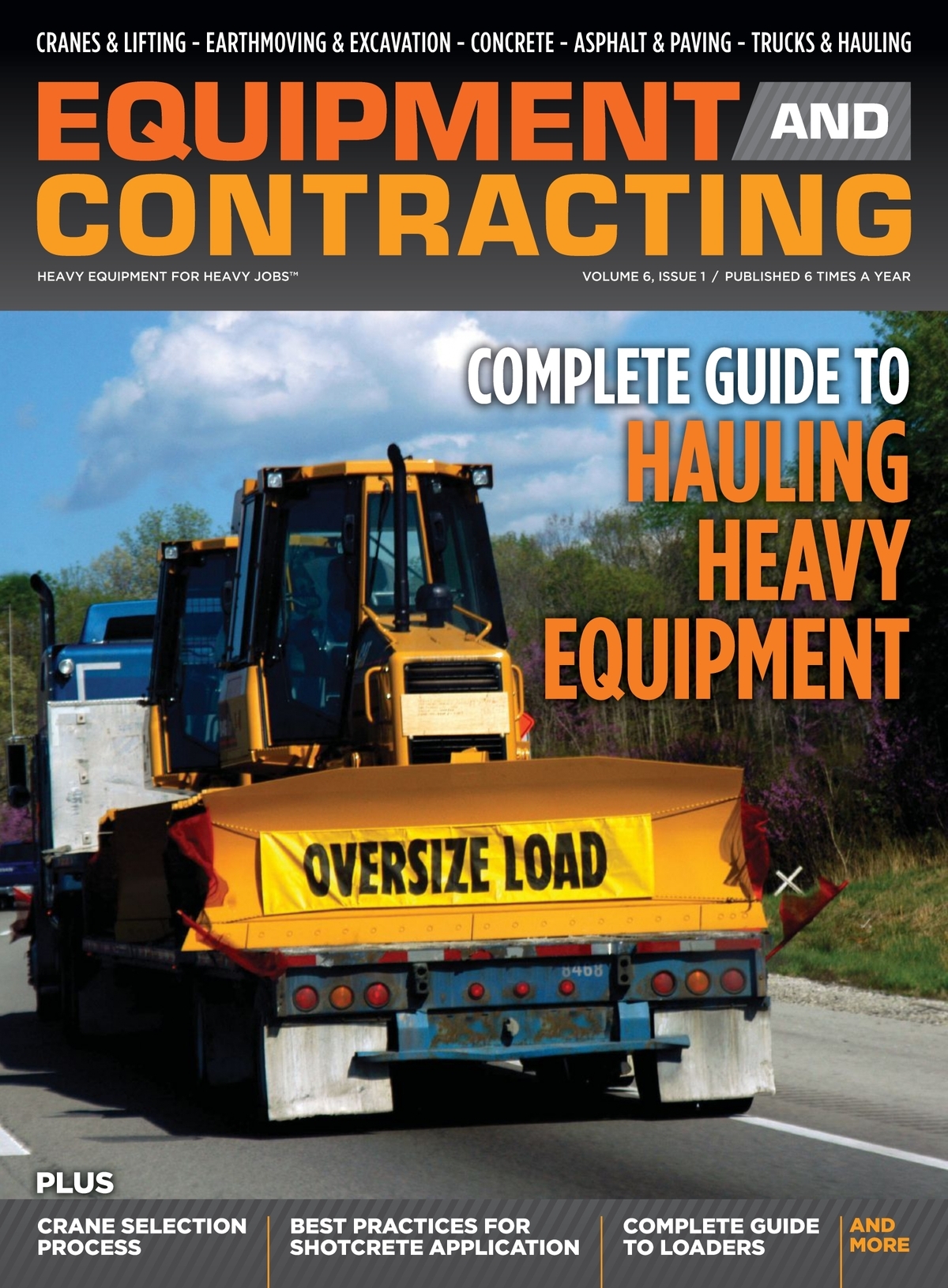
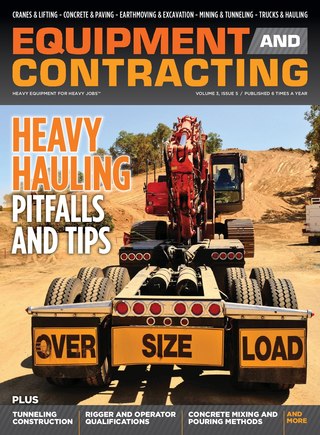
Hauling is one of the most expensive and least visible cost drivers on construction projects. Material movement, equipment transport, and internal jobsite hauling quietly influence daily burn rates, schedule reliability, and overall project margins. When hauling is treated as an organized operation rather than a background activity, contractors gain far greater control over cost, productivity, and risk. Organized hauling does not require new equipment or radical changes, but it does require intentional planning, coordination, and oversight from the earliest stages of a project.
Understanding Hauling as a Cost Driver
Hauling costs extend well beyond fuel and truck hours. Every haul cycle affects labor utilization, equipment idle time, site congestion, and wear on machines. When hauling routes are unclear or poorly maintained, trucks slow down, loaders wait, and operators spend more time idling than producing. Organized hauling helps contractors identify these hidden inefficiencies and bring structure to how materials and equipment move through a site.
Well managed hauling operations often rely on defined haul routes, predictable cycle times, and clear coordination between loading and unloading points. Contractors who implement structured hauling practices tend to reduce variability in daily production, which makes cost forecasting and progress tracking far more reliable. In many cases, contractors turn to external support or professional hauling coordination to help establish these systems early in the project lifecycle.
Planning Haul Routes Before Mobilization
Why Early Route Planning Matters
Haul routes are often treated as temporary decisions made after equipment arrives on site. This approach leads to frequent rerouting, damaged ground surfaces, and unplanned downtime. Organized hauling begins with route planning during preconstruction, when site layouts, soil conditions, and equipment weights can be evaluated without pressure from active production.
Planned haul routes account for turning radii, grade changes, ground bearing capacity, and interaction with other site traffic. When these routes are clearly defined and prepared in advance, trucks maintain consistent speeds and operators face fewer delays. Early route planning also reduces the likelihood of last minute changes that drive up costs through rework and schedule extensions.
Ground Conditions and Load Distribution
Ground conditions play a central role in hauling efficiency. Soft soils, wet areas, and unprotected surfaces increase rolling resistance and slow haul cycles. Repeated hauling over unstable ground leads to rutting, which further reduces speed and increases maintenance requirements. Organized hauling includes proactive ground preparation and ongoing route maintenance to keep haul paths stable and predictable.

Coordinating Equipment and Labor Around Hauling
Aligning Trucks, Loaders, and Operators
Hauling efficiency depends on coordination. When trucks arrive too early, they idle. When they arrive too late, loaders sit unused. Organized hauling focuses on synchronizing equipment and labor so that loading, transport, and unloading occur in a steady rhythm.
This coordination often requires centralized oversight rather than leaving decisions to individual operators. Dispatch schedules, radio protocols, and clear staging areas help maintain flow and reduce congestion. Over time, consistent coordination lowers fuel consumption, limits idle time, and extends equipment life.
Managing Internal Traffic Flow
On active construction sites, hauling vehicles share space with cranes, excavators, delivery trucks, and pedestrian traffic. Poor traffic flow increases the risk of accidents and forces trucks to slow or stop frequently. Organized hauling incorporates traffic management strategies that separate haul routes from other activities whenever possible.
Clear signage, designated crossing points, and controlled access zones improve both safety and efficiency. For contractors, fewer interruptions mean more predictable production rates and better control over daily costs.
Reducing Wear and Maintenance Costs
Equipment Longevity Through Organized Hauling
Hauling on poorly prepared routes accelerates wear on tires, suspensions, undercarriages, and drivetrains. Rough surfaces and uneven grades increase mechanical stress, leading to higher maintenance costs and unexpected breakdowns. Organized hauling reduces these issues by maintaining smoother routes and limiting unnecessary travel.
Consistent haul paths also make it easier to monitor equipment performance and identify issues early. Over the life of a project, reduced maintenance downtime translates directly into cost savings and improved equipment availability.
Fuel Efficiency and Idle Reduction
Fuel is one of the largest variable costs in hauling operations. Disorganized hauling increases fuel consumption through excessive idling, inefficient routing, and repeated stops. Organized hauling emphasizes steady movement, shorter cycle times, and fewer interruptions, all of which contribute to lower fuel burn.
By tracking haul cycles and adjusting routes or schedules as conditions change, contractors can maintain fuel efficiency even as projects evolve. These incremental savings add up quickly on large or long duration projects.

Improving Schedule Reliability
Predictable Hauling Supports Production Targets
Hauling delays often cascade into broader schedule impacts. When materials arrive late, crews wait. When equipment is delayed, downstream tasks slip. Organized hauling creates predictable movement patterns that support reliable production planning.
Contractors who manage hauling as a core operation rather than a support function are better equipped to meet milestones and avoid schedule driven cost increases. Predictable hauling also simplifies coordination with subcontractors and suppliers, reducing friction across the project.
Weather and Ongoing Route Management
Weather conditions change ground performance and hauling efficiency throughout a project. Organized hauling includes regular route inspections and adjustments to address rain, freezing conditions, or soil saturation. Proactive maintenance keeps haul routes functional and prevents sudden shutdowns that disrupt schedules.
This ongoing management approach ensures that hauling operations remain stable even as external conditions shift, protecting both timelines and budgets.
Why Organized Hauling Improves Cost Visibility
Cost control depends on visibility. When hauling is unstructured, costs blend into general production expenses and become difficult to track. Organized hauling creates measurable performance indicators such as cycle times, truck utilization rates, and fuel consumption patterns.
These metrics allow contractors to identify inefficiencies early and make informed adjustments. Greater visibility also supports clearer communication with project owners, who increasingly expect transparency around cost drivers and productivity.
In many cases, contractors partner with hauling management services to maintain this level of oversight without diverting internal resources. External management support helps standardize hauling practices while allowing project teams to focus on core construction activities.
Organized Hauling as a Competitive Advantage
Organized hauling is not just about moving material efficiently. It is about protecting margins, maintaining schedules, and delivering predictable outcomes. Contractors who treat hauling as a managed operation rather than an afterthought consistently outperform those who do not.
As projects grow more complex and margins tighten, hauling organization becomes a critical differentiator. Structured planning, coordinated execution, and ongoing management give contractors the control they need to deliver projects on time and within budget, even under challenging conditions.
View the complete article here.
Why is organized hauling important on construction sites?
Organized hauling reduces downtime, fuel use, and equipment wear while improving schedule reliability and cost control.
How can contractors maintain hauling efficiency in changing weather or ground conditions?
Regular haul road inspections and proactive route adjustments keep operations stable despite weather or soil changes.