








































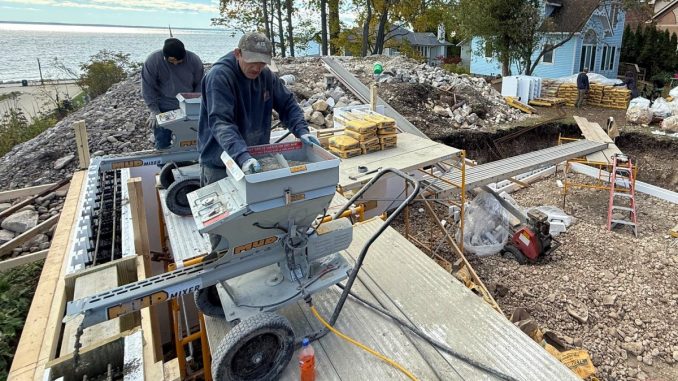
Contractors across residential, commercial, and infrastructure projects are rethinking how concrete is produced on site. For decades, ready-mix trucks were the default option for any job involving concrete, regardless of size or access. That model is now being challenged by rising material costs, delivery delays, labor shortages, and increasing jobsite access restrictions. As a result, many crews are turning to on-site concrete mixing systems that allow them to produce fresh material exactly where and when it is needed.
This shift is not about replacing ready-mix entirely, but about solving the growing inefficiencies tied to small-volume and hard-to-access pours. From remote construction zones to urban renovation projects, mobile solutions are helping contractors regain control over scheduling, material usage, and labor productivity.
The Limits of Traditional Ready-Mix for Small Jobs
Ready-mix is optimized for large-volume pours and open access sites, but many modern construction projects do not fit that profile. Small foundation repairs, fence footings, sidewalk replacements, deck supports, and interior slab work often require only a fraction of a truckload. Yet most ready-mix suppliers still impose minimum order requirements, short delivery windows, and standby fees if crews are not ready when the truck arrives.
These constraints create scheduling pressure and financial risk. Contractors must rush site preparation to avoid idle truck charges, while also paying for excess concrete that may never be used. In rural or island locations, delivery logistics can be even more complicated, with limited access roads, ferry restrictions, or terrain that cannot support heavy trucks. These conditions make traditional batching inefficient and, in some cases, impossible.
How On-Site Mixing Changes Jobsite Logistics
Eliminating Delivery Dependencies
On-site concrete production removes the need to coordinate truck schedules, which are often affected by traffic, weather, and plant capacity. Crews can begin pouring as soon as the site is ready, rather than waiting for a narrow delivery window. This flexibility is especially valuable for small teams working on multiple short-duration projects in a single day.
With mobile concrete batching equipment, material can be produced continuously, allowing workers to pour at their own pace. This eliminates the pressure of unloading an entire truckload before the concrete begins to set, reducing stress and improving placement quality.
Reducing Waste and Overordering
Concrete waste is a significant cost factor in construction. When contractors order more than needed to avoid running short, unused material often ends up being discarded. On-site mixing allows crews to prepare only what is required, bag by bag, minimizing leftover material and disposal costs.
This approach also reduces washout issues. Ready-mix trucks must clean their drums after each delivery, generating slurry that requires proper containment and disposal. Producing concrete on site eliminates this step, simplifying environmental compliance and site cleanup.

Supporting Remote and Restricted Access Sites
Working Where Trucks Cannot Reach
Urban construction, historic renovations, basement pours, and elevated decks often involve access points that are too narrow or structurally limited for heavy vehicles. In remote regions, rough terrain or weight-restricted bridges can prevent ready-mix trucks from reaching the site at all.
Portable mixing solutions are designed to navigate tight spaces and uneven ground. Their smaller footprint and maneuverability allow them to operate in locations where traditional delivery methods fail. This capability expands the range of projects contractors can accept without increasing logistical complexity.
Power and Water Compatibility
Most modern portable mixers are engineered to operate using standard electrical outlets and common water sources. This compatibility allows them to function on residential properties, commercial renovations, and temporary job sites without requiring specialized infrastructure. Contractors can set up quickly and begin production within minutes, reducing downtime between tasks.
Labor Efficiency and Crew Optimization
Producing More With Fewer Workers
Labor shortages continue to impact the construction industry, making efficiency more critical than ever. On-site mixing systems are designed to support continuous material flow, allowing one operator to produce concrete while others focus on placement and finishing.
This workflow reduces the need for large crews dedicated solely to mixing and transporting material by hand. Over time, the savings in labor hours can significantly offset equipment investment, especially for contractors who handle frequent small pours.
Improving Worksite Safety
Traditional manual mixing involves repetitive lifting, bending, and exposure to dust. By centralizing production into a single controlled system, crews reduce physical strain and improve overall jobsite safety. Cleaner work areas and fewer manual handling steps also lower the risk of accidents and material spills.
Precision Placement and Material Control
Managing Flow and Accuracy
Accurate placement is essential for structural integrity and surface quality. Portable mixers equipped with controlled discharge systems allow operators to direct material exactly where it is needed. This level of control is particularly useful for footings, narrow forms, and repair work where precision matters.
Adjustable flow mechanisms help prevent overpouring and splashing, which can damage surrounding surfaces and increase cleanup time. These features improve efficiency while maintaining professional results.
Adapting to Multiple Mix Types
Modern on-site systems are compatible with a wide range of bagged materials, including standard concrete, mortar, grout, and specialty mixes. This versatility allows contractors to handle diverse projects without changing equipment or sourcing multiple suppliers.

Cost Considerations and Return on Investment
Avoiding Minimum Load Fees
Many ready-mix suppliers charge premium rates for short loads, making small pours disproportionately expensive. On-site mixing eliminates these minimums, allowing contractors to control costs on a per-bag basis. Over time, the savings from avoided fees and reduced waste can be substantial.
Lower Transportation and Standby Costs
Without the need for truck deliveries, contractors avoid fuel surcharges, waiting time penalties, and access-related delays. This streamlined process reduces project overhead and improves scheduling reliability.
Environmental and Sustainability Benefits
Lower Emissions From Reduced Truck Traffic
Concrete delivery trucks are heavy, fuel-intensive vehicles. By reducing the number of trips required for small jobs, on-site production helps lower transportation-related emissions. This aligns with growing sustainability goals across the construction sector.
Efficient Material Usage
Producing only what is needed minimizes waste and supports responsible material management. Fewer discarded loads mean less landfill impact and reduced demand on raw material resources.
The Future of Small-Scale Concrete Production
As construction projects become more diverse and site conditions more complex, flexibility is becoming a competitive advantage. Contractors who can adapt quickly, reduce waste, and operate efficiently in challenging environments are better positioned for long-term success.
The growing adoption of jobsite concrete mixers reflects this shift. These systems offer a practical alternative for small and remote pours, giving crews greater control over time, cost, and quality. As technology continues to evolve, on-site mixing is likely to become a standard tool rather than a niche solution.
Why are contractors switching from ready-mix trucks to on-site concrete mixing for small jobs?
On-site mixing eliminates delivery delays, minimum load fees, and waste while giving crews full control over timing and material usage.
Where do on-site concrete mixing systems work better than ready-mix trucks?
They perform best on small, remote, or restricted-access sites like basements, urban renovations, islands, and tight residential projects.