









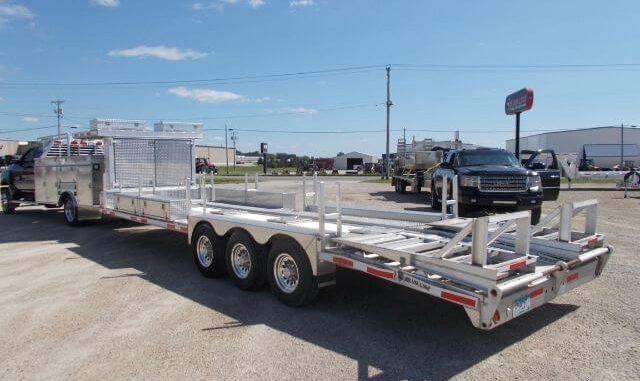
Lightweight aluminum gooseneck trailers have moved from niche equipment to a serious profit lever for contractors who run long distances between yards and jobsites. In long haul environments where fuel, payload efficiency, maintenance downtime, and compliance all intersect, shaving thousands of pounds off the trailer structure directly improves revenue per mile. When operators treat weight as a financial variable instead of just a spec sheet number, aluminum gooseneck configurations often deliver faster payback than heavier steel alternatives.
Why Trailer Weight Drives Profit on Long Hauls
Every mile traveled with unnecessary trailer mass costs fuel. Diesel powered tow vehicles work harder when pulling heavier structures, especially across rolling terrain or highway speeds. Industry fuel studies consistently show that gross combination weight has a measurable impact on miles per gallon, and when annual mileage is high, even fractional efficiency gains compound into major savings.
A lighter trailer also expands usable payload before reaching GVWR limits. Contractors moving compact equipment, attachments, pallets, or jobsite materials can legally carry more revenue generating load with each trip. Over months of hauling, the extra capacity often reduces the number of runs required to complete the same scope of work, directly cutting labor hours and equipment wear.
Aluminum vs Steel in Real Operational Terms
Reduced Empty Weight
Aluminum trailers commonly weigh 30 to 40 percent less than comparable steel builds depending on deck size and reinforcement layout. That difference translates to thousands of pounds removed from every empty return trip. Long haul operators feel this benefit immediately because deadhead miles shrink in cost.
Corrosion Resistance
Marine air, road salts, humidity, and standing moisture accelerate steel corrosion. Aluminum naturally forms a protective oxide layer that slows structural degradation. Contractors running coastal or northern routes often experience longer service life and lower refurbishment costs when rust is minimized.
Lower Maintenance Burden
Because aluminum does not rust through like steel, repainting cycles, structural repairs, and patch welding are less frequent. Long haul ROI is heavily influenced by uptime. Equipment that stays on the road longer and in the shop less keeps revenue flowing.

Payload Efficiency Equals Revenue Efficiency
Long distance hauling punishes inefficiency. A lighter gooseneck increases the payload window without requiring a larger tow vehicle. That means contractors can move heavier machines such as skid steers, mini excavators, compact dozers, or bundled materials while staying within legal thresholds.
This is particularly valuable for crews servicing multiple projects across wide geographic areas. Instead of dispatching two trucks or staging intermediate drops, a properly rated lightweight trailer consolidates loads. Fewer trips reduce driver fatigue, insurance exposure, scheduling complexity, and fuel consumption.
Fuel Savings Over Time
Fuel is the silent killer of long haul margins. While the per trip difference between aluminum and steel may seem small, annual math tells a different story. A contractor running 40,000 to 60,000 towing miles per year can see thousands of dollars in savings from weight reduction alone.
Less rolling resistance also reduces strain on transmissions, brakes, and tires. Lower wear extends replacement intervals and reduces the total lifecycle cost of the tow vehicle itself. ROI should be measured across the full hauling ecosystem, not just the trailer.
Durability in High Mileage Environments
Structural Flexibility
Aluminum frames flex differently under load compared to steel, often dispersing stress instead of concentrating it at weld points. For long haul use where vibration is constant, this can reduce fatigue related cracking when engineered properly.
Long Term Resale Value
Because aluminum trailers typically show less rust and cosmetic degradation, resale values remain higher. Contractors cycling equipment every few years recover a larger portion of their initial investment.
Consistent Performance
Aluminum decks maintain structural integrity longer in moisture heavy environments. Steel units exposed to corrosion frequently require patching that reduces overall strength and appearance.
Compliance Advantages for Interstate Work
Weight compliance is critical for contractors hauling across state lines. A lighter trailer gives operators more buffer before exceeding axle or bridge formula limits. This reduces the risk of fines, delays, forced unloading, or permit complications.
DOT enforcement is increasingly strict on combined weights. Aluminum goosenecks allow contractors to stay compliant while still maximizing usable cargo. That legal cushion often saves far more money than the initial cost difference between materials.

Faster ROI Through Operational Savings
When calculating payback, contractors should combine fuel savings, maintenance reduction, additional payload capacity, extended vehicle life, and higher resale value. Long haul scenarios magnify all of these.
What looks like a premium purchase frequently becomes a cost cutting asset within the first 12 to 24 months for high mileage operators. Contractors who haul weekly or daily typically see the strongest returns.
Buying Considerations That Protect ROI
Weight savings only pay off when matched with proper load ratings and build quality. Contractors should evaluate axle capacity, deck thickness, reinforcement zones, tie down placement, braking systems, and frame engineering.
The best ROI trailers are not simply lighter. They are purpose built to maintain strength while eliminating unnecessary mass. Overloading any lightweight structure cancels financial benefits and shortens lifespan.
The Bottom Line for Long Haul Contractors
Lightweight aluminum gooseneck trailers are not just a materials upgrade. They are a margin improvement tool. Reduced fuel burn, higher payload efficiency, corrosion resistance, lower maintenance, and compliance flexibility all combine to accelerate financial returns.
For contractors who spend thousands of miles every year pulling equipment between projects, trailer weight directly controls profitability. Choosing aluminum in long haul operations often turns transportation from a cost center into a strategic advantage.
Why are aluminum gooseneck trailers more profitable than steel for long hauls?
Aluminum trailers reduce weight, improve fuel efficiency, increase payload capacity, and lower maintenance costs, boosting long-term ROI.
What factors should contractors consider when buying a lightweight aluminum trailer?
Contractors should check load ratings, frame strength, axle capacity, deck reinforcement, tie-down placement, and braking systems to ensure durability and compliance.