



























Crane attachments such as jibs, hooks, and spreaders play a crucial role in enhancing lift capacity and precision on construction and heavy contracting projects. These attachments allow operators to handle complex lifts, reach difficult locations, and manage loads more safely and efficiently. Selecting the right attachment for a specific task not only improves performance but also reduces the risk of accidents and equipment strain. Contractors and equipment managers who understand attachment types, load capacities, and operational considerations can optimize crane performance and achieve smoother project execution.
Integrating specialized crane attachment solutions for construction projects can significantly expand a crane’s operational capabilities while maintaining safety and compliance. These solutions include modular jibs for extended reach, reinforced hooks for secure lifting, and spreader bars for balanced weight distribution.
Understanding Crane Jibs
Extending Reach and Improving Accessibility
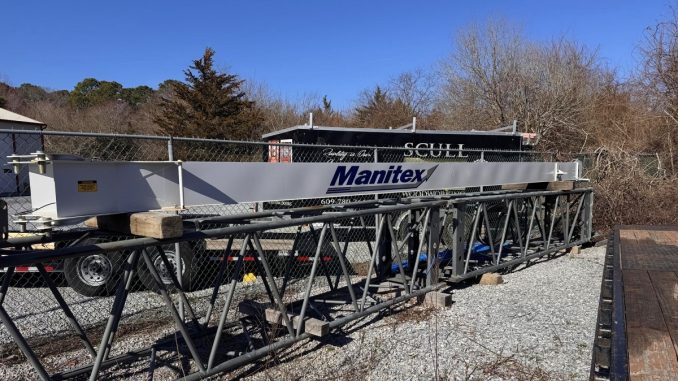
Crane jibs are extensions that attach to the main boom of a crane, allowing operators to lift loads further away from the base or to reach over obstacles. They are particularly valuable on sites where space is limited or the crane cannot be positioned close to the load. Using jibs properly ensures that loads remain stable during extended reach operations, reducing the need for repositioning and saving time.
Modern jibs are engineered to handle varying load capacities and can be modular for quick assembly or disassembly. This flexibility allows construction teams to customize crane setups for specific tasks while maintaining operational efficiency.
Load Capacity and Stability Considerations
While jibs increase reach, they also affect a crane’s load capacity and center of gravity. Operators must consult manufacturer guidelines and load charts to determine the maximum safe lifting capacity when a jib is attached. Overloading or improper setup can compromise stability and increase the risk of tipping or structural failure.
Ensuring proper installation, secure connections, and regular inspection of jib components maintains safety and supports reliable lifting performance. Adequate training for operators on jib use is essential to maximize benefits without introducing hazards.
The Role of Hooks in Lift Operations
Secure Load Engagement
Hooks are essential crane attachments designed to hold loads securely during lifting operations. They must be rated for the load weight and properly sized to prevent slippage or imbalance. Hooks can include safety latches to prevent accidental disengagement, improving overall operational safety.
Selecting the right hook involves considering the load type, attachment method, and lifting angle. Regular inspections for wear, deformation, and cracking ensure that hooks continue to operate safely under heavy use.
Maintenance and Inspection Protocols
Routine inspection and maintenance of hooks are critical to preventing failures on the job site. Visual checks for cracks, bends, or surface wear, along with periodic non-destructive testing, help identify issues before they compromise load security. Cleaning and lubricating moving components maintains smooth operation and prolongs service life.
Documenting hook inspections as part of a crane maintenance log supports compliance with safety regulations and enhances operational reliability. Proper care ensures that the crane attachment performs consistently throughout its lifespan.
Enhancing Load Distribution with Spreaders
Minimizing Load Stress
Spreader bars, also called lifting beams, are crane attachments that distribute weight across multiple lifting points. This helps reduce stress on individual attachment points and prevents load deformation. Using spreaders is especially important when lifting long, fragile, or unevenly weighted materials, ensuring the integrity of the load during movement.
Spreader bars are available in fixed and adjustable designs to accommodate different lifting configurations. Proper selection based on load size, weight, and attachment points enhances safety and efficiency.
Improving Lift Precision
By evenly distributing weight, spreader bars contribute to more precise load positioning. Operators can maneuver materials into place with greater accuracy, reducing the risk of collision or damage to surrounding structures. Precision lifting is particularly critical in projects involving heavy steel beams, concrete panels, or mechanical equipment installations.
Correct use of spreaders not only improves safety but also reduces the likelihood of material rework, saving time and labor costs.

Safety and Operational Best Practices
Operator Training and Certification
Effective use of crane attachments requires knowledgeable operators who understand load charts, attachment limits, and safe handling procedures. Training programs often cover jib setup, hook selection, and spreader use, emphasizing both safety and efficiency. Certified operators are better equipped to plan lifts, anticipate potential hazards, and adjust techniques as needed.
Consistent operator training helps prevent accidents and ensures compliance with OSHA regulations and industry safety standards. Competent handling of crane attachments enhances both productivity and reliability on the job site.
Inspection and Preventive Maintenance
Regular inspection of all crane attachments is essential to maintain safe lifting operations. Jibs, hooks, and spreaders must be checked for wear, deformation, and structural integrity. Preventive maintenance, including lubrication, tightening of fasteners, and replacement of worn components, reduces the likelihood of equipment failure.
Establishing an inspection schedule based on usage frequency and load intensity ensures that attachments remain in optimal condition. Proactive maintenance protects workers, equipment, and materials while minimizing operational downtime.
Selecting Attachments for Project Needs
Matching Attachments to Load Types
Choosing the appropriate attachment depends on load characteristics, lifting height, and reach requirements. Jibs are suitable for extended reach and overhead obstacles, hooks provide secure engagement for single-point lifts, and spreaders distribute weight for fragile or long items. Understanding the interaction between attachment type and load ensures efficient and safe operations.
Consulting manufacturer specifications and load charts for each attachment type helps match equipment to job site needs. Selecting the right combination minimizes risk and optimizes lift performance.
Equipment Integration and Compatibility
Attachments must be compatible with the crane model and lifting configuration. Incompatible components can reduce capacity, compromise stability, and increase the likelihood of mechanical failure. Ensuring correct installation and proper fit supports smooth, safe, and precise lifting.
Integrating crane attachments into existing equipment workflows enhances versatility, allowing a single crane to perform multiple lifting tasks efficiently. This improves project timelines and overall productivity.
Jibs, hooks, and spreaders are essential crane attachments that significantly boost lift capacity and precision in construction and heavy contracting projects. Understanding their proper use, load limitations, and maintenance requirements improves safety, operational efficiency, and material handling accuracy. By investing in specialized crane attachment solutions for complex lifting operations, contractors can optimize crane performance, reduce downtime, and maintain regulatory compliance.