

























Heavy equipment operators know that every hour of downtime carries a direct cost in lost production, delayed projects, and idle crews. Lubricants form a thin protective film between moving parts, control friction and heat, and carry away contaminants. When that film breaks down under high loads, extreme temperatures, or long operating hours, wear accelerates and components fail. High-performance lubricants help protect critical equipment components under demanding operating conditions. For contractors working on marine construction projects, bridges over waterways, and other environmentally sensitive sites, lubricant selection must also account for applicable environmental requirements.
Environmentally acceptable lubricants (EALs) are formulated to meet defined environmental performance criteria while providing the lubrication properties required by the equipment. Where lubricant leaks or discharges could affect surrounding waterways, selecting a suitable EAL can help contractors address environmental obligations without overlooking equipment reliability.
Understanding High-Performance and Environmentally Acceptable Lubricants
Synthetic lubricants are formulated using engineered base oils and additive systems to deliver specific performance characteristics, including oxidation resistance, viscosity stability, and wear protection. Environmentally acceptable lubricants must also meet defined environmental criteria, including biodegradability, aquatic toxicity, and bioaccumulation requirements. Not all synthetic lubricants qualify as EALs, and environmental acceptability does not automatically establish suitability for every equipment application.
Molecular Structure and Oxidation Resistance
Oxidation is a primary reason lubricants thicken, form sludge, and lose their protective ability. Laboratory tests such as the rotating pressure vessel oxidation test show that well-formulated synthetic oils typically resist oxidation longer than mineral oils under the same conditions. This stability helps the oil maintain its viscosity and additive package for more operating hours. In practice, the result is fewer instances of oil-related deposits that restrict flow or damage seals and bearings.
Viscosity Performance Across Temperatures
Many synthetic lubricants are formulated to maintain more consistent viscosity across changing temperatures than conventional mineral oils. However, viscosity performance varies by base oil chemistry and product formulation. A higher viscosity index means the oil changes less in thickness as temperature rises or falls. Lubricants with suitable low-temperature properties can flow more readily during cold starts, while appropriate viscosity at operating temperatures helps maintain protective films between moving components. Actual performance depends on the lubricant formulation, equipment requirements, and operating conditions.
For contractors working in environmentally sensitive areas, lubricant selection involves more than viscosity and operating temperature. The following comparison highlights the environmental and performance considerations involved in selecting conventional lubricants and environmentally acceptable lubricants.
Property |
Conventional Mineral-Oil Lubricants |
Environmentally Acceptable Lubricants (EALs) |
|---|---|---|
Biodegradability |
Generally slower biodegradation |
Must meet applicable biodegradability criteria |
Aquatic toxicity |
Varies by formulation |
Must meet defined aquatic toxicity criteria |
Bioaccumulation |
Depends on formulation |
Must meet applicable bioaccumulation criteria |
Wear protection |
Depends on formulation and additives |
High-performance formulations can provide strong wear protection |
Typical applications |
General construction and industrial equipment |
Marine construction, bridges over waterways, and environmentally sensitive locations |
Environmental acceptability does not automatically guarantee superior mechanical performance. Contractors must evaluate lubricant specifications, equipment compatibility, and operating conditions alongside environmental requirements. Properly formulated EALs can provide the protection required for demanding equipment applications while meeting defined environmental criteria.
Lubricant Maintenance and Reduced Equipment Downtime
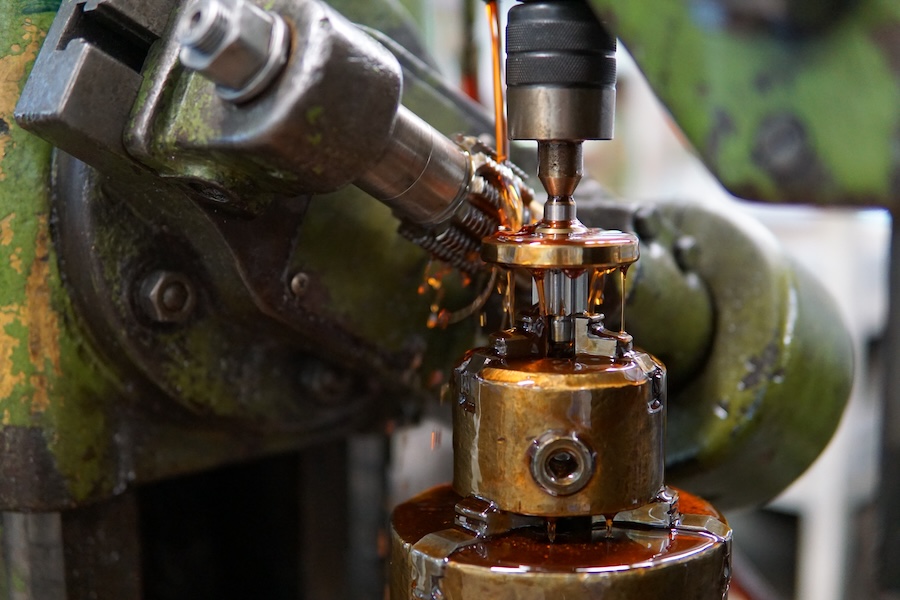
Proper lubricant selection and maintenance practices help reduce equipment downtime by protecting critical components and identifying potential problems before failures occur. Service intervals should be based on manufacturer recommendations, operating conditions, and oil analysis rather than assumptions about lubricant type alone.
Comparing Service Intervals
Lubricant service intervals depend on equipment design, operating conditions, oil formulation, and manufacturer recommendations. While some high-performance synthetic lubricants can support extended maintenance intervals, these benefits must be confirmed through appropriate testing and oil analysis. For contractors working near waterways, selecting a suitable lubricant also involves meeting environmental requirements without sacrificing the performance needed to protect critical components.
The Role of Oil Analysis
Extended intervals are safe only when oil condition is tracked. Analysis of viscosity, total base number, wear metals, and oxidation products confirms that the oil still protects components. Operators who combine high-quality synthetic lubricants with condition monitoring can move from fixed time-based changes to condition-based decisions, further reducing unnecessary downtime while protecting equipment.
Superior Wear Protection for Critical Components
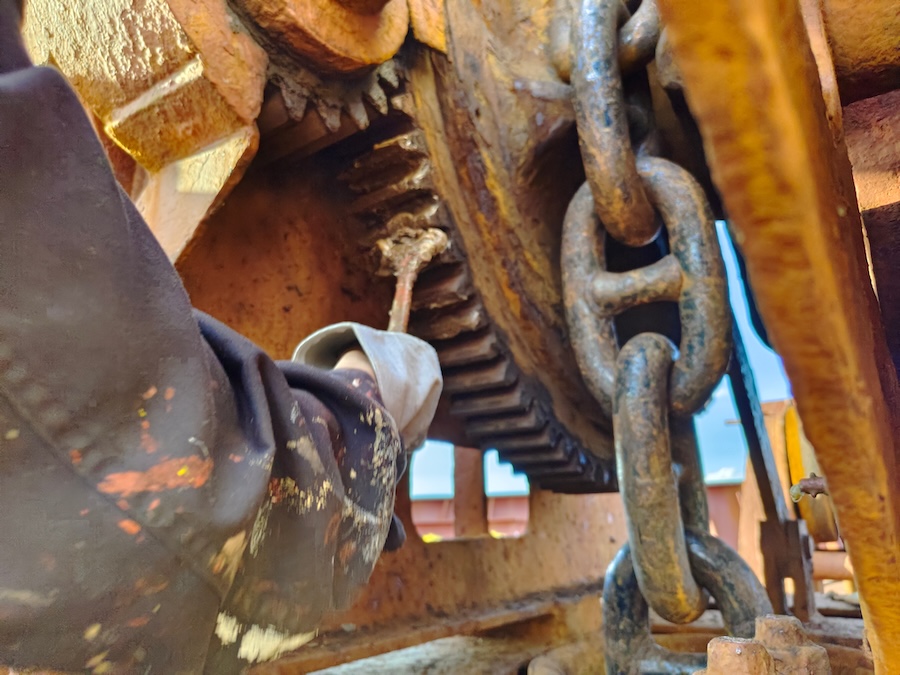
Beyond longer drain intervals, the protective film formed by premium synthetic lubricants helps prevent the metal-to-metal contact that leads to unplanned failures.
Film Strength Under Extreme Loads
Construction equipment operating in marine environments and on bridge projects places considerable demands on hydraulic systems, gears, and bearings. These components require lubricants capable of maintaining protective films under high loads and challenging operating conditions. High-performance EAL formulations can provide wear protection and load-carrying capabilities while meeting defined environmental criteria. Selecting the appropriate formulation remains essential to protecting equipment reliability.
Managing Heat and Contamination
Lower internal friction generates less heat, which slows oxidation and keeps oil viscosity more stable. Water separation, corrosion resistance, and deposit control depend on the lubricant’s base oil chemistry and additive formulation. These properties should be evaluated against the equipment’s operating conditions and manufacturer specifications. For equipment operating near waterways, moisture exposure and contamination can create additional lubrication challenges. Selecting lubricants with appropriate corrosion resistance, stability, and equipment compatibility, combined with effective maintenance practices, helps protect critical components and reduce unexpected downtime.
Lubrication Requirements for Marine Construction and Bridge Projects
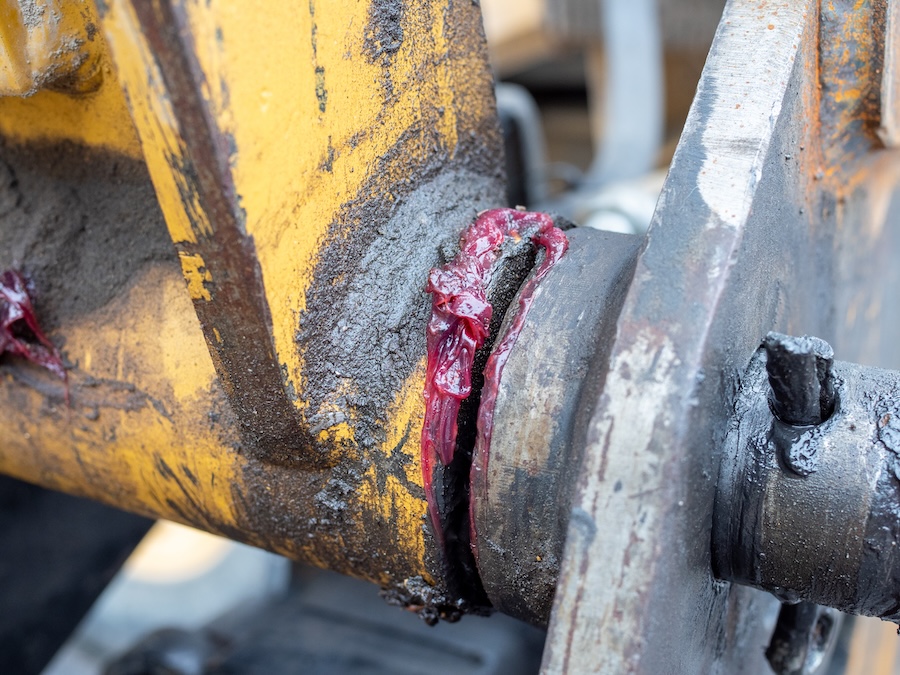
Marine construction and bridge projects often require equipment to operate directly over or alongside waterways. Hydraulic systems, gearboxes, and other lubricated components must withstand demanding operating conditions, while contractors may also need to comply with environmental regulations and project-specific requirements.
Environmental Considerations Near Waterways
Construction activities near rivers, harbors, ports, and coastal waters introduce environmental risks associated with lubricant leaks and discharges. Depending on the equipment, location, and applicable regulations, contractors may be required to use environmentally acceptable lubricants.
EALs are formulated to meet defined environmental criteria, including biodegradability, aquatic toxicity, and bioaccumulation characteristics. Their use can help contractors address applicable requirements while maintaining the lubrication performance needed for construction equipment.
Balancing Environmental Compliance and Equipment Performance
Environmental suitability is only one factor in lubricant selection. Contractors must also consider viscosity, wear protection, load-carrying capability, oxidation resistance, and compatibility with equipment components.
High-performance EALs are designed to address both environmental and mechanical requirements. Proper selection and maintenance help ensure that equipment operating in sensitive environments receives appropriate protection without overlooking applicable environmental obligations.
For contractors working on marine construction projects, bridges over waterways, and other environmentally sensitive sites, lubricant selection involves balancing equipment reliability with environmental responsibilities. High-performance environmentally acceptable lubricants can help address both priorities when properly matched to equipment specifications and applicable requirements.
For operators who need premium synthetic performance with environmental compliance, BioMax offers environmentally acceptable lubricants (EALs) for hydraulic systems, gearboxes, and other critical components. Designed for applications such as marine construction and bridge projects over waterways, these lubricants combine wear protection and reliable performance with environmental characteristics that help operators meet applicable regulatory requirements.