



































Construction sites in urban and mixed-use environments face growing pressure to maintain safety, comply with regulations, and minimize disruption to surrounding areas. Traditional hoarding methods such as timber walls, scaffold frames, and ground-anchored fencing are still widely used, but they are increasingly difficult to adapt to modern project demands. As job sites become tighter, timelines shorten, and public safety expectations rise, contractors are turning toward freestanding construction barricade systems as a more efficient and compliant alternative.
These systems are engineered to provide physical separation without ground penetration, heavy equipment, or long installation times. They are now being adopted across commercial, infrastructure, and municipal projects because they offer a combination of safety performance, structural reliability, and logistical flexibility that traditional hoarding cannot consistently match.
Key Advantages of Freestanding Barriers
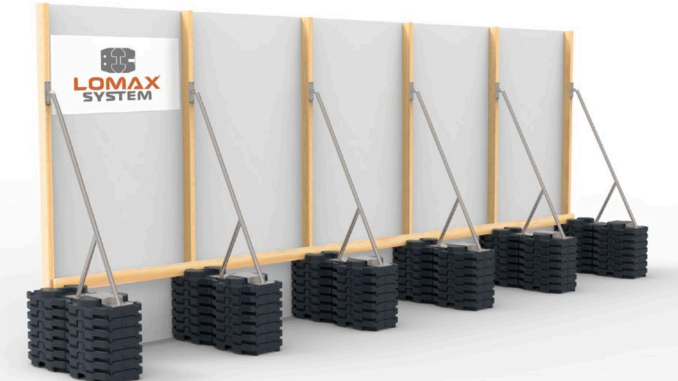
The shift toward modular, self-supporting barricades is not cosmetic. It is being driven by measurable improvements in safety, compliance, and site efficiency. Unlike timber or scaffold hoarding, which often requires drilling, anchoring, or bracing, freestanding systems rely on engineered counterweight and support designs that allow them to stand independently.
Because they do not penetrate pavement or subgrade, these systems can be installed in areas where ground disturbance is prohibited, such as heritage districts, transit corridors, and public walkways. This makes them especially valuable for dense urban construction where access is limited and restoration costs are high.
The Limitations of Traditional Hoarding
Installation Time and Labor Demands
Conventional hoarding systems often require extensive site preparation. Ground anchors must be drilled or cast, frames must be assembled, and panels must be cut and fitted. This process can take several days on large perimeters and often requires specialized labor and equipment.
Freestanding systems, by contrast, are designed for rapid assembly. Modular posts, counterweights, and cross members are typically installed in sequence, allowing crews to erect long barricade runs in a fraction of the time.
Damage to Surfaces and Infrastructure
Traditional hoarding frequently leaves behind holes, cracks, and anchor scars in concrete, asphalt, and stone surfaces. Repairing these areas adds cost and time at the end of a project. In public zones, this can also delay reopening and trigger additional inspections.
Self-supporting barricades eliminate this issue by distributing load through surface-mounted counterweights rather than penetrating the ground. This allows the site to be restored immediately after removal.
How Structural Engineering Has Changed Temporary Barriers
Wind Load and Impact Resistance
Modern construction standards require temporary barriers to withstand site-specific wind loads and physical impacts. Many traditional hoarding walls were not designed with engineering calculations and rely on oversizing or bracing to compensate.
Freestanding systems are typically developed using structural analysis to ensure they can resist both lateral wind forces and accidental impacts. Their counterweight geometry, support spacing, and crossbeam design are engineered to maintain stability under defined conditions.
Certification and Compliance Requirements
In many regions, temporary barricades must meet safety and performance criteria outlined in building or construction standards. These standards often address wind speed capability, impact resistance, and overall structural integrity.
Engineered freestanding systems are designed to meet or exceed these requirements, making them easier to approve and safer to operate in high-traffic environments.
Why Modular Design Improves Jobsite Flexibility
Adapting to Phased Construction
Large projects rarely remain static. Work zones shift, access routes change, and staging areas are reconfigured. Traditional hoarding must often be dismantled and rebuilt to accommodate these changes.
Modular barricade systems are designed to be reconfigured. Panels, posts, and weights can be relocated and reused, allowing contractors to adjust site layouts without starting from scratch.
Supporting Multiple Applications
The same modular components can often be used for perimeter barricades, pedestrian protection tunnels, interior separations, and temporary fencing. This reduces the need for multiple systems and simplifies logistics across different phases of a project.
Safety Benefits in Public and High-Traffic Areas
Pedestrian Protection and Visibility
Construction in urban areas often places work zones directly next to sidewalks, storefronts, and transit stops. In these settings, clear physical separation is essential.
Freestanding barricade systems provide a continuous, rigid barrier that prevents accidental entry while allowing for integrated signage, lighting, and surface finishes. This improves visibility and reduces the likelihood of pedestrian incidents.
Reduced Trip and Impact Hazards
Ground anchors, braces, and protruding supports from traditional hoarding can create tripping hazards or obstruct emergency access. Self-supporting systems maintain a clean footprint and reduce the risk of secondary accidents around the barrier perimeter.
Cost and Sustainability Considerations
Lower Lifecycle Costs
While the initial purchase or rental cost of a modular barricade system may be higher than basic timber hoarding, the long-term cost is often lower. Reusable components reduce material waste, and faster installation lowers labor expenses.
Because these systems are designed for repeated use, they also reduce the need for constant material replacement on multi-phase projects.
Environmental Impact
Traditional hoarding often relies on single-use materials that are discarded after removal. Modular systems use durable components that can be redeployed across multiple sites, reducing waste and resource consumption.
Why Contractors Are Making the Switch
The construction industry is under increasing pressure to deliver projects faster, safer, and with less disruption to surrounding communities. Freestanding barricade systems align with these goals by providing a solution that is structurally sound, adaptable, and efficient.
As regulations tighten and urban job sites become more complex, the demand for freestanding construction barricade systems will continue to grow. Their ability to meet safety standards, minimize surface damage, and adapt to changing site conditions makes them a practical replacement for traditional hoarding methods.
What are the benefits of using freestanding construction barricade systems over traditional hoarding?
They provide rapid installation, meet safety standards, protect surfaces, and can be reconfigured for changing site layouts.
Where are freestanding barricades most useful on construction sites?
They are ideal for urban, high-traffic, and restricted-access areas where ground penetration is prohibited or restoration costs are high.