


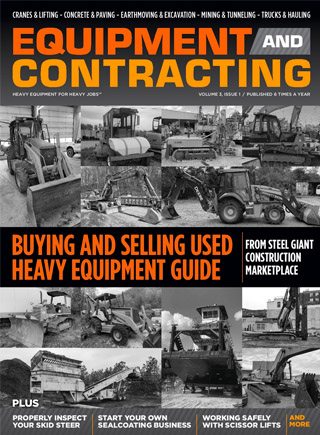


A strong equipment fleet is the backbone of any successful construction operation. Companies that make strategic buying decisions see fewer delays, maintain predictable operating costs, and stay competitive in unpredictable market cycles. Choosing whether to invest in new machines or select reliable used units is one of the most important decisions a fleet manager makes. Many contractors begin this process by reviewing trusted sources for heavy equipment sourcing, which helps them compare available options and understand current pricing trends from both dealer networks and resale markets.
Understanding Market Trends for New and Used Equipment
Equipment Availability Across Market Cycles
Availability fluctuates based on overall construction demand. When major infrastructure spending rises or private development surges, manufacturers often experience longer lead times for new equipment. During these periods, used machines become more attractive because they can be deployed immediately. When demand cools, dealer inventories for new units increase and pricing becomes more competitive. Understanding these cycles allows contractors to time purchases in ways that protect margins and support upcoming work.
Pricing Stability in the Used Market
Used machine pricing changes more quickly than new pricing because resale values depend heavily on age, hours, service quality, and brand reputation. Marketplaces and auctions provide insight into real selling prices across categories such as excavators, loaders, and dozers. Reviewing these data points helps buyers avoid overpaying and identify models that hold value longer. This is especially important when looking at equipment intended for high hour applications or rough jobsite conditions.
When Buying New Makes the Most Sense
Long Term Lifecycle Planning
New equipment is often the best choice for contractors who want a predictable lifecycle from the moment the machine arrives. Manufacturers publish detailed guidelines on expected component life, major service intervals, and rebuild timelines. When a fleet manager knows exactly how long a machine can run before requiring major repairs, it becomes easier to create accurate cost forecasts, project budgets, and replacement schedules.
Compliance, Technology, and Operator Safety
Many jurisdictions continue to raise environmental and emissions requirements. New machines meet these standards from the factory, which is essential for companies bidding government or municipal projects. Newer models also include advanced telematics systems, improved hydraulic efficiency, operator assistance technologies, and cabin safety improvements. These features reduce fuel consumption, decrease downtime, and support operators who handle complex tasks on busy jobsites.
Warranty Coverage and Cost Certainty
New purchases include warranties that protect against unexpected failures. These warranties increase confidence during the first several years of ownership and can reduce the risk of costly repairs. Many dealers also offer structured service programs, which give contractors consistent maintenance costs and minimize unplanned downtime. For companies operating large fleets or managing remote projects, this predictability strengthens financial planning and supports long duration contracts.

When Buying Used Provides Better Value
Lower Acquisition Cost and Faster ROI
Used equipment provides significant cost advantages for fleet managers who prioritize quick return on investment. When purchase prices are substantially lower, contractors can recoup costs quickly through short term project work. Once the job is complete, the machine can be resold with minimal depreciation. For expanding businesses, used machines provide a way to scale production capacity without committing to the higher financial burden associated with new units.
Proven Reliability Through Maintenance Records
Many used machines come with detailed maintenance histories that document service intervals, repairs, and inspection results. These records give buyers insight into how the machine has been handled over its lifetime. Late model units with clean histories often perform reliably for years when properly maintained. Contractors who evaluate these records carefully can secure dependable equipment at a fraction of the price of new investments.
Availability of Specialized Equipment
Certain projects require specialized attachments or configurations that are found more frequently in older model lines. Contractors working in demolition, forestry, or land clearing often look toward used markets to find machines that match specific job requirements. As long as replacement parts are accessible and technicians are familiar with the equipment, these units remain valuable performers.
Evaluating Total Cost of Ownership
Fuel Consumption and Operating Efficiency
Newer engines typically deliver improved fuel efficiency and better power output. Over many hours of operation, these savings can be substantial. However, well maintained used machines can still provide acceptable efficiency for shorter term or lower intensity use. Fleet managers often compare expected fuel burn, output levels, and average idle time to determine which option provides the most value based on upcoming workloads.
Maintenance Requirements Over Time
Used machines require more frequent inspections and component replacement because wear accumulates over years of operation. Costs associated with undercarriage replacement, hydraulic repairs, electrical issues, and engine rebuilds should be evaluated closely. If these projected costs remain reasonable, used equipment may still provide strong value. New machines generally hold predictable maintenance costs during early years, which helps contractors maintain stable budgets.

Balancing Fleet Age for Maximum Reliability
Mixing New and Used Units
Most successful companies manage a hybrid fleet. New machines cover critical work that demands maximum uptime, while used machines support seasonal, supplemental, or lower priority tasks. This balance reduces financial pressure while ensuring production capability. By rotating older units out and introducing new ones strategically, companies strengthen resale positions and maintain steady performance throughout various market conditions.
Planning Resale Timing
Resale value is influenced by brand, condition, and real time market demand. Companies that track these factors can sell equipment at the right moment to maximize returns. New machines retain their value more strongly during the first few years, while properly maintained used machines often hold steady once depreciation levels out. Monitoring equipment listings helps contractors identify the best time to replace aging units and reinvest in equipment that aligns with future project demands.
Building a bulletproof fleet requires long term planning, accurate forecasting, and a balanced approach to buying new and used equipment. Contractors who understand how lifecycle costs, market trends, and production demands influence each purchase make smarter decisions that support profitability. New machines deliver reliability, compliance, and long term predictability, while used machines offer flexibility and fast financial returns. Many companies reinforce these decisions by reviewing reputable construction equipment listings to evaluate availability, monitor market pricing, and identify the right machines for upcoming projects. When managed strategically, a well structured fleet becomes a competitive advantage that supports growth and stability across every market cycle.
New equipment offers predictable reliability, compliance, and warranties, while used machines provide lower upfront cost and faster return on investment.
Combining new and used units allows critical work to rely on new machines while used units handle supplemental tasks, reducing costs without sacrificing performance. Should construction companies buy new or used equipment?
How can fleet managers balance costs and reliability in their equipment fleet?