













Crane operations involve significant risk, which is why training requirements in the United States are shaped by strict safety standards. OSHA’s Crane and Derricks in Construction Standard outlines that employers must ensure operators are trained, evaluated, and certified to handle the specific type of crane they will use. These requirements were strengthened in 2018 when formal operator certification became mandatory for construction cranes. The intent is straightforward. Operators must have the knowledge and practical skill to perform lifts safely while understanding the factors that influence crane capacity, stability, and risk.
Training also helps reduce the incidents caused by poor communication, improper rigging, or inaccurate load estimation. NIOSH has documented that many crane incidents result from preventable conditions, including misinterpreting hand signals, failing to inspect rigging gear, and inadequate lift planning. A strong training framework reduces these risks by combining theory, practical instruction, and job specific hazard awareness.
Foundations of Proper Crane Operation
Knowing the Standards That Govern Lifting Work
Before an operator enters the cab, training must cover the regulatory landscape that defines safe lifting. OSHA 1926 Subpart CC outlines the requirements for assembly, disassembly, power line clearance, signaling, ground conditions, and documentation. Operator qualification, rigger qualification, and signal person competence are all legally required elements.
For overhead and gantry cranes, OSHA 1910.179 provides additional requirements related to hoist brakes, rope inspection, maintenance records, and safety devices. Training programs must be aligned with these standards so operators can apply them on active sites. Knowing the standards also ensures that supervisors can verify proper setup and documentation.
Equipment Familiarity, Inspection, and Maintenance
Crane training must teach operators how to recognize equipment limitations and verify that inspection criteria are met before a lift is attempted. OSHA requires that all cranes undergo both shift inspections and periodic inspections. This includes checking wire ropes, hooks, sheaves, hydraulic systems, electrical controls, outriggers, and safety devices. Training ensures that crew members understand what to look for and when an issue is serious enough to take equipment out of service.
Manufacturers also publish load charts that detail capacity at various boom lengths and radii. Training teaches operators how to read and apply these charts to avoid overload conditions. Since capacity decreases as the boom extends or the radius increases, operators must be able to calculate total load, including rigging and attachments.
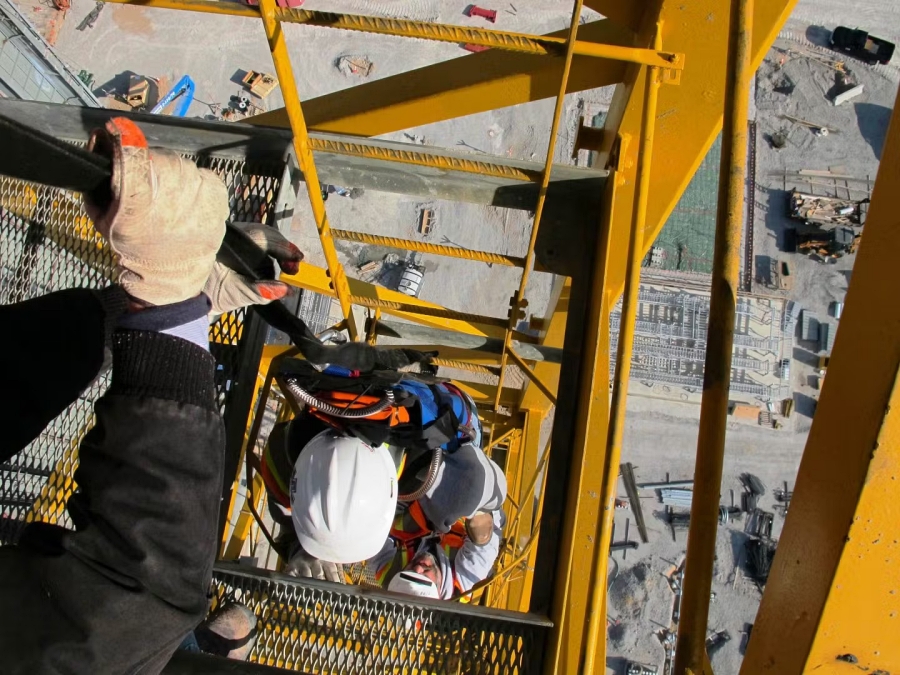
Preparing Crews for Safe Lifting
Ensuring Operator Competence
Operator certification alone is not enough. OSHA states that evaluation must occur on the actual crane type used on the job site. This means training should continue beyond the certification test. On site evaluation confirms that operators can safely plan, hoist, travel, and set loads using the specific crane configuration available.
Training should cover real world scenarios such as blind lifts, tight radius lifts, and lifts performed near active work areas. Operators must demonstrate proper control of swing, hoist speed, boom angle, and load travel. They must also show proficiency in responding to unexpected movement or sudden changes in weather.
Rigging, Signaling, and Communication
NIOSH and OSHA have repeatedly emphasized that rigging errors remain one of the leading causes of crane related incidents. Sling angle, hitch type, center of gravity, and hardware selection all affect whether a load will remain balanced. Training ensures that riggers can calculate working load limits, inspect slings, and choose proper hardware for the load.
Signal persons must also be trained and evaluated under OSHA requirements. Clear communication is essential, particularly when the operator has limited visibility. Standardized hand signals, radio protocol, and pre lift communication reduce misinterpretation and improve coordination across the team.
Lift Planning and Site Hazard Awareness
Evaluating Ground Conditions and Crane Setup
Ground conditions have a direct impact on crane stability. OSHA requires employers to ensure that ground is firm, level, and capable of supporting the crane and its load. Soft soil, underground utilities, trenches, and voids are all hazards that must be addressed before the crane is positioned.
Training must also cover proper outrigger and stabilizer deployment, cribbing methods, and verification that the crane is level. Small degrees of out of level condition can significantly reduce lifting capacity, especially at longer boom lengths. A well trained crew will verify level, check outrigger pads, and confirm the crane’s configuration matches the lift plan.
Power Lines, Weather, and Environmental Conditions
Cranes operating near power lines must follow OSHA’s minimum clearance requirements. For lines up to 350 kilovolts, the minimum clearance is 20 feet unless the employer has implemented the OSHA encroachment prevention plan. Training ensures that all workers understand these distances and know how to maintain them.
Wind, rain, and lightning also influence crane operation. Manufacturer guidelines typically restrict lifting above certain wind speeds. Training ensures operators know how to interpret these limits and take appropriate action.
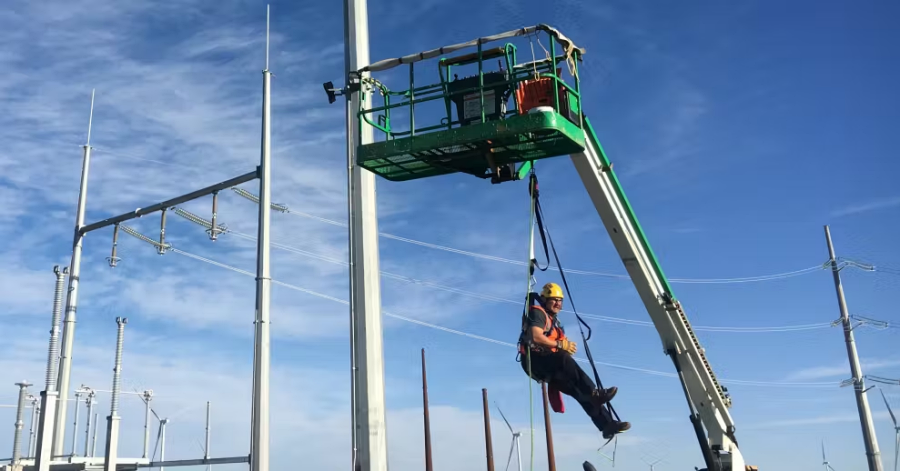
Executing the Lift Safely
Maintaining Control of Suspended Loads
A suspended load creates risk until it is fully placed and secured. OSHA guidance states that workers should never stand under a suspended load and should avoid the fall path whenever possible. Training reinforces controlled hoist movement, minimized swing, and safe travel paths.
Operators must also remain at the controls while a load is suspended. Training ensures they understand how to use anti two block systems, load moment indicators, and boom angle indicators where applicable.
Post Lift Evaluation and Follow Through
At the end of a lift, training encourages a post operation review. This includes documenting what worked, identifying hazards encountered, and inspecting rigging for wear. Periodic refresher training supports ongoing improvement, which OSHA recommends when new equipment, technology, or procedures are introduced.
Building a Culture of Safety
Crane safety is not achieved through equipment alone. It relies on continuous training, communication, and hazard awareness. Companies that prioritize safety create an environment where operators, riggers, and supervisors can identify risks early and respond with confidence.
This broader safety mindset often includes emergency response awareness. Linking crane training with supplementary learning such as rescue training programs can enhance operator readiness during elevated work or complex lifting conditions. Relevant resources, such as high angle safety solutions, help reinforce safe behavior during work at height and ensure personnel know how to respond in emergency situations.
Crane training is most effective when it combines regulatory knowledge, equipment familiarity, practical drills, and continuous improvement. Operators who understand how to inspect equipment, read load charts, communicate clearly, and adapt to site specific hazards contribute to safer lifting environments. By aligning training with OSHA standards and integrating strong safety culture practices, companies can significantly reduce crane related incidents and keep their crews protected.
Yes, OSHA requires crane operators to be trained, evaluated, and formally certified for the specific type of crane they operate.
Ongoing training ensures operators can safely handle real jobsite conditions, prevent rigging and communication errors, and comply with OSHA safety standards. Is crane operator certification required by OSHA in the United States?
Why is crane training important beyond basic certification?


