





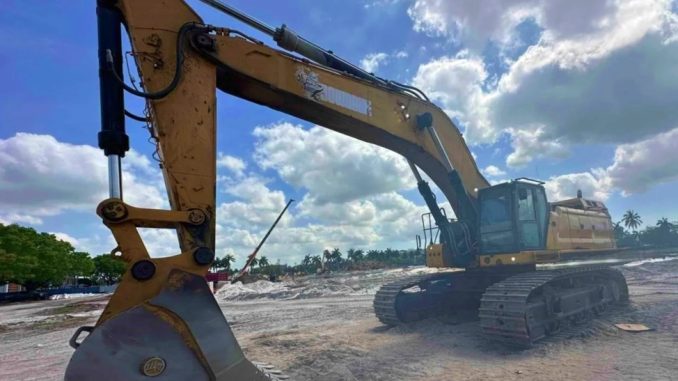
Construction equipment represents one of the largest capital investments on any jobsite. When machines are unavailable due to breakdowns or unplanned repairs, productivity drops quickly and project costs rise. For contractors working under tight schedules and margins, equipment maintenance is not just a support function. It is a core operational strategy that directly impacts uptime, safety, and long term return on investment.
Well managed maintenance programs reduce unexpected failures, extend service life, and improve equipment availability across fleets of all sizes. The most effective strategies focus on planning, consistency, and data driven decision making rather than reactive fixes.
Why Equipment Maintenance Drives Project Performance
Equipment downtime disrupts workflows, crew coordination, and material sequencing. Even a single machine failure can delay multiple crews when tasks are interdependent. Maintenance planning helps prevent these disruptions by keeping machines reliable and predictable throughout the project lifecycle.
Industry research consistently shows that planned maintenance costs significantly less than emergency repairs. Preventing failures also reduces secondary damage to components that often occurs when machines are operated with developing faults. Contractors who prioritize maintenance see stronger asset utilization and more accurate job costing over time.
Building A Preventive Maintenance Foundation
Scheduled Inspections and Service Intervals
Preventive maintenance begins with consistent inspection schedules based on manufacturer recommendations and operating hours. Regular checks of fluids, filters, belts, hoses, and wear components help identify early signs of failure before they escalate into major issues.
Establishing standard service intervals creates discipline across fleets and ensures maintenance tasks are not deferred due to production pressure. Contractors who follow established construction equipment maintenance best practices reduce unexpected breakdowns and stabilize machine availability across jobsites.
Standardized Maintenance Procedures
Consistency is critical when multiple technicians or operators are involved. Standardized procedures ensure inspections are performed the same way every time, regardless of location or crew. This reduces the risk of missed issues and improves maintenance quality across the fleet.
Clear documentation of inspection steps and service requirements also supports training and accountability. When procedures are repeatable, maintenance becomes easier to manage and audit.

Using Condition Data To Reduce Failures
Predictive Maintenance And Monitoring
Beyond fixed schedules, predictive maintenance uses condition data to determine when service is actually required. Monitoring engine hours, operating temperatures, vibration levels, and fluid quality helps identify patterns that indicate developing problems.
This approach allows maintenance teams to intervene at the optimal time rather than relying solely on calendar based intervals. Predictive strategies help maximize component life while reducing unnecessary service downtime.
Telematics And Equipment Health Tracking
Telematics systems provide real time visibility into machine performance and usage. Data collected from equipment sensors allows managers to track idle time, fault codes, and service needs remotely.
By using telematics data, contractors can plan maintenance around production demands and address issues before they cause unplanned stoppages. Equipment health tracking also improves decision making around equipment assignment and utilization.
Strengthening Maintenance Through Workforce Practices
Operator Involvement And Daily Checks
Operators are often the first to notice changes in machine behavior. Encouraging daily walk around inspections and basic reporting helps surface issues early. Simple observations such as leaks, abnormal sounds, or warning indicators can prevent more serious failures if addressed promptly.
Training operators to recognize early warning signs improves communication between production and maintenance teams. This shared responsibility approach strengthens overall equipment reliability.
Maintenance Training And Skill Development
Well trained maintenance personnel are essential for effective equipment care. Ongoing training ensures technicians stay current with evolving machine technologies and diagnostic tools.
Investing in skill development improves repair quality, reduces repeat failures, and shortens service times. Strong technical knowledge also supports safer work practices during inspections and repairs.

Managing Maintenance Records And Lifecycle Costs
Maintenance Documentation And History
Accurate maintenance records provide valuable insight into equipment performance over time. Service histories help identify recurring issues, forecast future repairs, and support warranty claims when applicable.
Detailed records also assist contractors in evaluating total cost of ownership and making informed decisions about rebuilds, replacements, or fleet expansion. Maintenance data turns equipment management into a measurable process rather than guesswork.
Aligning Maintenance With ROI Goals
Maintenance strategies should align with broader financial objectives. Reducing downtime improves productivity, while extending equipment life delays capital replacement costs. Both outcomes contribute directly to improved return on investment.
Contractors who apply disciplined heavy equipment maintenance strategies gain better control over operating costs and asset value. Maintenance becomes a tool for protecting margins rather than a reactive expense.
Long Term Value Through Consistent Maintenance
Equipment reliability is rarely achieved through a single solution. It is the result of consistent planning, disciplined execution, and informed decision making. Preventive schedules, condition monitoring, trained personnel, and accurate records all work together to reduce downtime and improve fleet performance.
For construction operations focused on long term success, maintenance is not optional. It is a proven strategy for protecting assets, supporting productivity, and maximizing return on investment across every phase of a project.