


















Buying used heavy equipment is often the smartest way for contractors to expand their fleet while managing costs. Yet one of the most misunderstood parts of evaluating a used machine is how to interpret engine hours versus the actual condition of the equipment. Many buyers rely too heavily on hour meter readings when the true value lies in understanding how those hours were accumulated and how the machine was maintained over its working life. When browsing listings for quality used heavy equipment you get the most value by knowing how to read both hour data and physical condition together rather than in isolation.
Understanding Engine Hours as a Usage Metric
What Engine Hours Actually Represent
Engine hours tell you how long the engine has been running under any condition whether the machine was working at full load, idling lightly, or simply warming up. Hours do not always equal wear since idling adds time without adding the same stress as digging, hauling or pushing material. However engine hours are still one of the most reliable numerical indicators of machine life because heavy equipment components such as engines, pumps, transmissions and hydraulic systems generally follow hour based wear patterns. Many machines are built around life spans that often fall into the range of several thousand to tens of thousands of hours depending on class, usage and maintenance practices.
Why Hour Readings Alone Can Be Misleading
A machine that has logged long periods of idle time can accumulate hours with far less actual load wear than one running continuously under heavy duty conditions. Two excavators with identical hour readings may have completely different levels of internal wear if one was used for trenching in soft soil while the other spent most of its hours breaking rock. Hour meters can also be replaced or repaired during the machine’s life. That is why hour readings should always be verified against overall condition, maintenance records and the behavior of the machine during inspection.

Assessing Machine Condition Alongside Hours
Examining Mechanical and Structural Components
Physical condition is the clearest indicator of how a machine has been treated. Wear patterns across the engine compartment, hydraulic system, undercarriage, electrical components and structural frame should match expectations for the stated hours. Excessive leaks, blow by, smoking, slow hydraulics or unusual engine noise suggest age and wear that are not consistent with low hour claims. For tracked machines the undercarriage is often the most expensive wear group and its condition should be taken seriously. On wheeled machines tire condition, drivetrain response and articulation behavior reveal similar insights into real usage.
Importance of Maintenance History and Usage Patterns
Service records are critical because they show whether the machine was maintained according to manufacturer intervals. A high hour machine that received regular fluid changes, filter replacements, inspections and component rebuilds may operate far better than a low hour machine with irregular or undocumented maintenance. Usage history also matters. Equipment used in environments with abrasive material, extreme temperatures or steep duty cycles often ages faster than equipment used for seasonal or intermittent projects. Reviewing how the machine worked over its life helps you interpret the engine hours more accurately.
Matching Engine Hours to Expected Lifespans
How Hour Ranges Differ Across Equipment Types
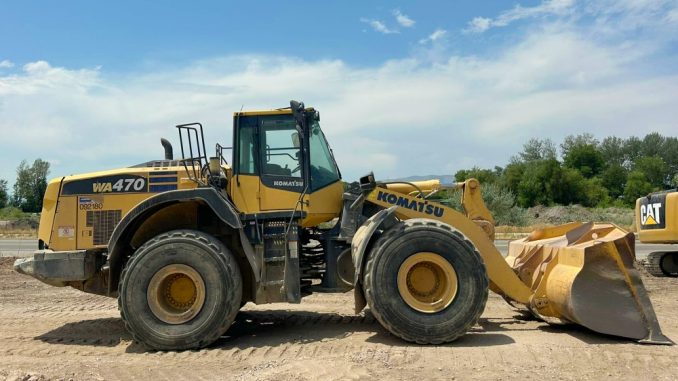
Different machine categories age at different rates. Excavators often have expected component life spans around several thousand hours depending on tonnage and working environment. Wheel loaders tend to show significant wear on drivetrains and hydraulic systems as they approach the upper end of their hour range. Smaller machines like skid steers may accumulate hours faster due to short cycle work but may not see the same stress loads as larger earthmoving equipment. The most important thing is to compare the hour figure to what is typical for that machine category rather than holding all equipment to a single standard.
Condition Versus Hours When Determining Value
During evaluation the goal is not simply to find the machine with the lowest hours but the machine whose hours best align with its real condition. A higher hour excavator that has been serviced on time, rebuilt when necessary and operated responsibly may offer more remaining life than a low hour machine that sat unused, was improperly stored or ran for years without proper fluid changes. When the machine’s structural condition, mechanical behavior and maintenance log all support the hour reading you can make a confident judgment about remaining life.

Balancing the Two Factors at Purchase Time
Interpreting Hours Through the Lens of Condition
Hours should act as an initial reference point rather than a final judgment. If a machine shows moderate hours and excellent condition the hour reading supports the idea that the machine was used properly. If the machine shows low hours but significant wear then you should treat the hour meter with skepticism. Conversely a machine with higher hours but shockingly clean condition and documented service intervals can often be a strong buy. This balanced approach leads to better long term performance and lowers the risk of costly repairs.
Using Condition and Hours When Negotiating Pricing
A seller may present low hours as a premium feature but buyers who understand the role of condition can negotiate more effectively. If structural or mechanical wear appears heavier than the hours suggest you should adjust your offer accordingly. If the machine is in strong condition for its age and hour range that strengthens the seller’s position. Hours become more valuable when supported by maintenance records and consistent wear patterns. Ultimately real condition combined with hour data determines what the machine is worth.
Final Thoughts on Making a Smart Used Equipment Purchase
A well informed buyer evaluates both engine hours and machine condition with equal attention. Relying on hours alone often leads to poor purchases while relying only on visual condition can overlook internal wear that comes with high usage. The strongest buying decisions come from cross checking hours, condition, maintenance history and expected life span for that machine type. When browsing for options consider looking at reliable listings such as quality used heavy equipment to find machines with transparent documentation. Before you close the deal confirm that the machine behaves, looks and performs like a unit with its stated hours. Doing so helps ensure long lasting performance and fewer surprises after the purchase. The best deals come from sellers who make it easy to compare condition and hour data across multiple listings of used heavy equipment for sale so you can confidently choose the right machine for your needs.
No, low hours can be misleading if the machine was poorly maintained or worked under heavy conditions, so overall condition and service history matter more.
Buyers should review maintenance records and inspect mechanical, hydraulic, and structural components to ensure wear matches the stated hours. Do low engine hours always mean a used machine is in better condition?
What should buyers check besides engine hours when evaluating used heavy equipment?