

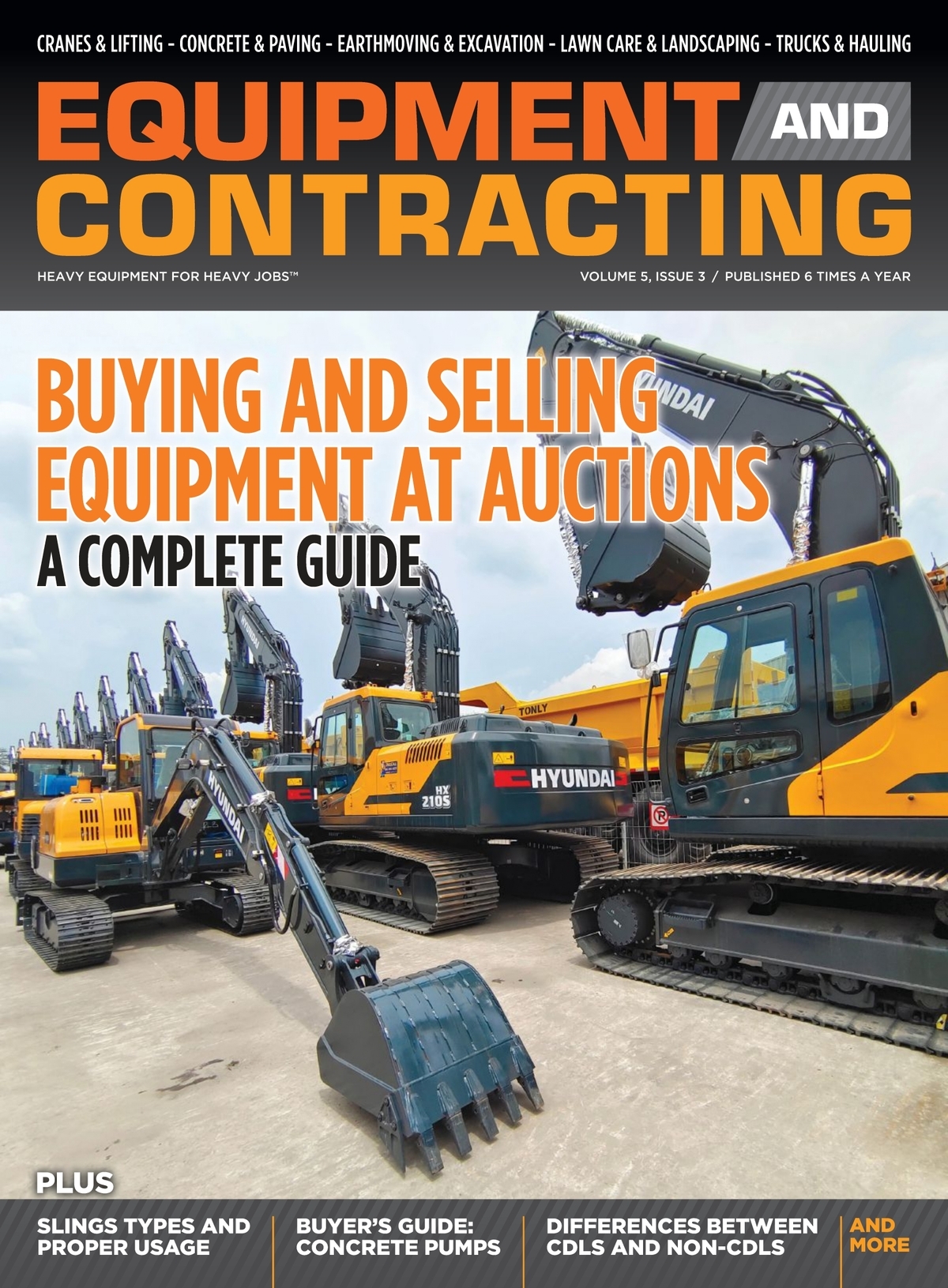


Participating in construction equipment auctions can be a practical way for contractors, fleet managers, and dealers to purchase or sell machinery efficiently. Buyers are often drawn to auctions for the chance to secure excavators, loaders, trucks, and other assets at competitive prices, while sellers benefit from a large audience of motivated bidders. Understanding how to research equipment, evaluate market trends, prepare listings, and navigate the auction process gives participants a clear advantage. Early in this process, many professionals turn to platforms that support heavy equipment buying and selling, which helps them review upcoming inventories and compare similar models across different locations. Careful preparation improves decision making for both buyers and sellers.
Below are ten essential tips that reflect common industry practices and verifiable standards. These insights help participants reduce risk, improve auction outcomes, and move equipment smoothly from listing to final sale.
1. Conduct Market Research
Successful auction participation begins with a solid understanding of current market conditions. Buyers and sellers should review recent auction results for comparable machinery, study seasonal patterns in equipment pricing, and observe bidding activity across multiple auction platforms. Research helps buyers identify fair market values while giving sellers realistic expectations for what their equipment may bring. Analyzing similar models, hours of use, and age ranges provides context for pricing decisions and reduces the likelihood of emotional or uninformed choices on auction day.
2. Inspect Equipment Carefully
Equipment condition has a significant influence on value and buyer confidence. When possible, buyers should inspect machinery in person to evaluate visible wear, operational performance, and basic mechanical function. If on site inspections are not feasible, many auctions provide photos, videos, and inspection reports that reveal key details. Sellers benefit from presenting accurate descriptions and clear visuals, since transparency often leads to stronger bidding. Including maintenance history or recent service work can also help buyers understand long term reliability and potential repair needs.
3. Verify Documentation and Service Records
Accurate documentation supports better decision making. Buyers should review available ownership papers, maintenance logs, and service receipts to understand how equipment was cared for over its lifetime. Service history often reveals whether machinery was maintained at recommended intervals or if any major repairs were completed. Sellers who include this information attract more qualified bidders and can justify pricing expectations more effectively. Reliable documentation reduces uncertainty and speeds up the decision process for all parties.

4. Set a Clear Budget or Price Expectation
Buyers should establish a firm maximum budget before bidding begins. This budget should include not only the potential purchase price but also buyer premiums, taxes, transportation costs, and possible repair expenses. Sellers should define a bottom line selling price that aligns with market research while remaining competitive. Clear expectations prevent impulsive decisions and help participants remain disciplined during active bidding. Staying within predetermined limits is one of the most effective ways to maintain profitability.
5. Prepare High Quality Listings
For sellers, a well prepared listing can significantly influence bidder interest. Detailed descriptions that include model numbers, year, hours, specifications, and known issues allow buyers to evaluate equipment quickly and accurately. High quality images taken from multiple angles help buyers form a complete understanding of the condition even if they cannot inspect the machinery in person. Comprehensive listings tend to attract more inquiries and encourage stronger bidding during the auction.
6. Understand Auction Formats
Construction equipment auctions operate in different formats, including live, online, and timed online events. Each format has its own procedures for registration, bidding, payment, and pickup. Buyers and sellers should understand the rules of the specific auction they are participating in to avoid delays or confusion. Live auctions allow participants to observe bidding dynamics in person, while online platforms provide broader access and flexible participation. Familiarity with the chosen format helps buyers plan bidding strategies and helps sellers understand how their equipment will be presented.
7. Register Early and Review Requirements
Auction registration often requires submission of identification, financial information, or deposits. Completing registration early ensures that buyers can bid without interruption and sellers can upload listings without delays. Reviewing the terms and conditions is equally important, since these may include payment deadlines, fee structures, storage policies, and dispute procedures. Clear understanding of requirements supports a smoother experience from start to finish and reduces the risk of administrative issues after the sale.

8. Apply Strategic Bidding Techniques
Strategic bidding helps buyers stay efficient and competitive. Observing early bidding patterns provides insight into interest levels and potential price ranges. Some buyers prefer to hold back until the bidding slows, while others participate consistently to signal intent. Regardless of the approach, maintaining discipline is essential. Buyers should avoid chasing bids beyond their predetermined limits. Planning a strategy before auction day ensures that decisions are guided by logic rather than emotion.
9. Plan Post Auction Logistics
Once a sale is complete, buyers must arrange equipment pickup or transportation as soon as possible to avoid storage charges. Preparing in advance helps prevent delays and ensures the machinery reaches its destination safely. Sellers should make equipment accessible, remove personal belongings, and provide any remaining paperwork to the buyer. Many professionals rely on specialized construction equipment transport solutions to move large assets efficiently and securely. Clear communication between both parties helps finalize the transaction smoothly.
10. Evaluate Outcomes and Improve Future Strategy
Every auction experience provides useful insights. Buyers can evaluate whether purchased equipment performed as expected and whether their bidding strategy was effective. Sellers can reflect on listing quality, pricing accuracy, and final sale results. Tracking market patterns, reviewing performance, and adjusting approaches over time helps participants improve their results in future auctions. Consistent learning strengthens long term success in the auction marketplace.
Buyers should compare market prices, review inspection reports and service records, and assess visible condition to confirm the equipment’s value before bidding.
Sellers improve outcomes by researching market pricing, providing detailed listings with photos and maintenance records, and choosing the right auction format. How should buyers evaluate construction equipment before bidding at an auction?
What steps help sellers get better results when selling equipment at auction?