

View the complete article here.
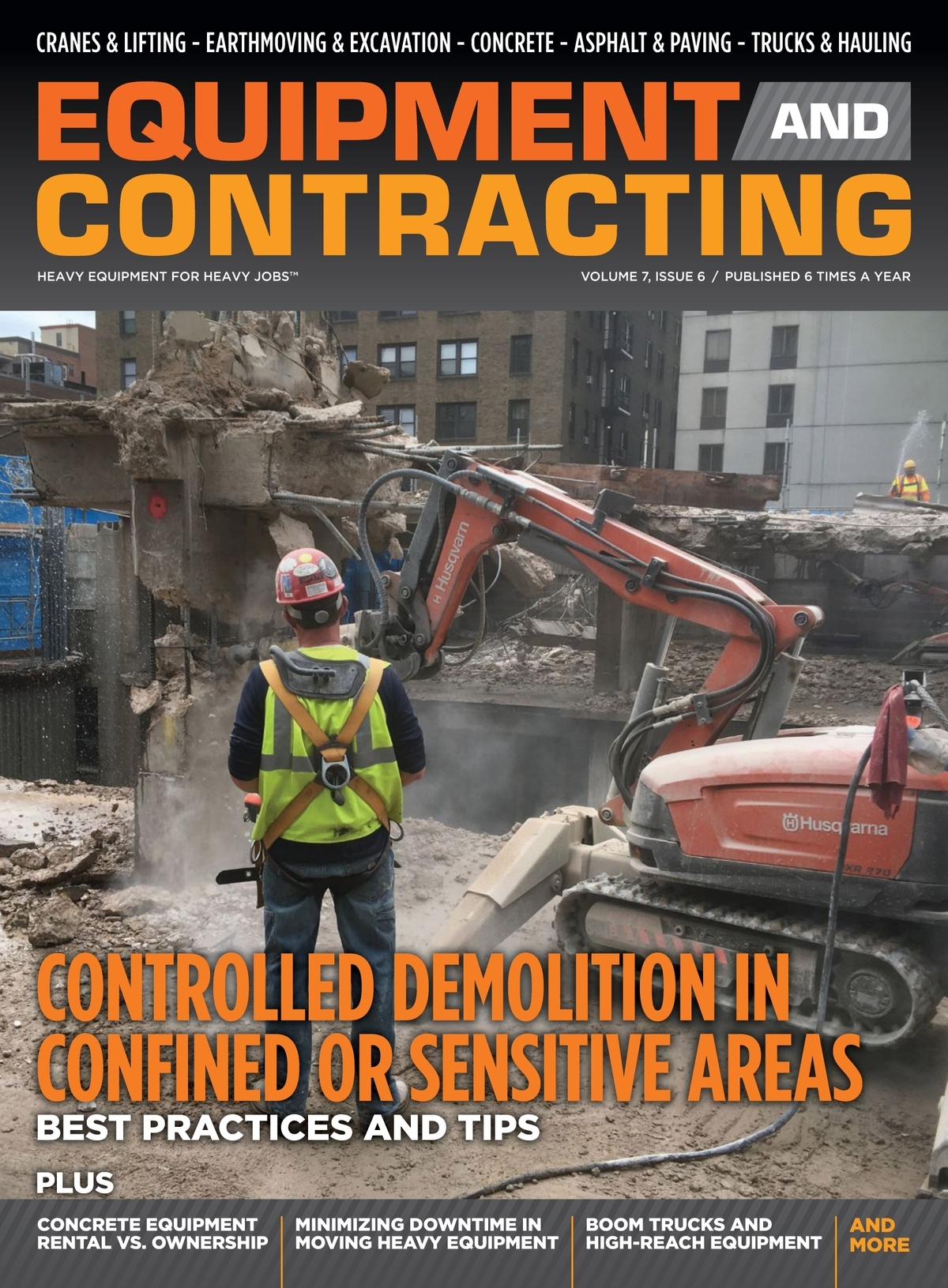
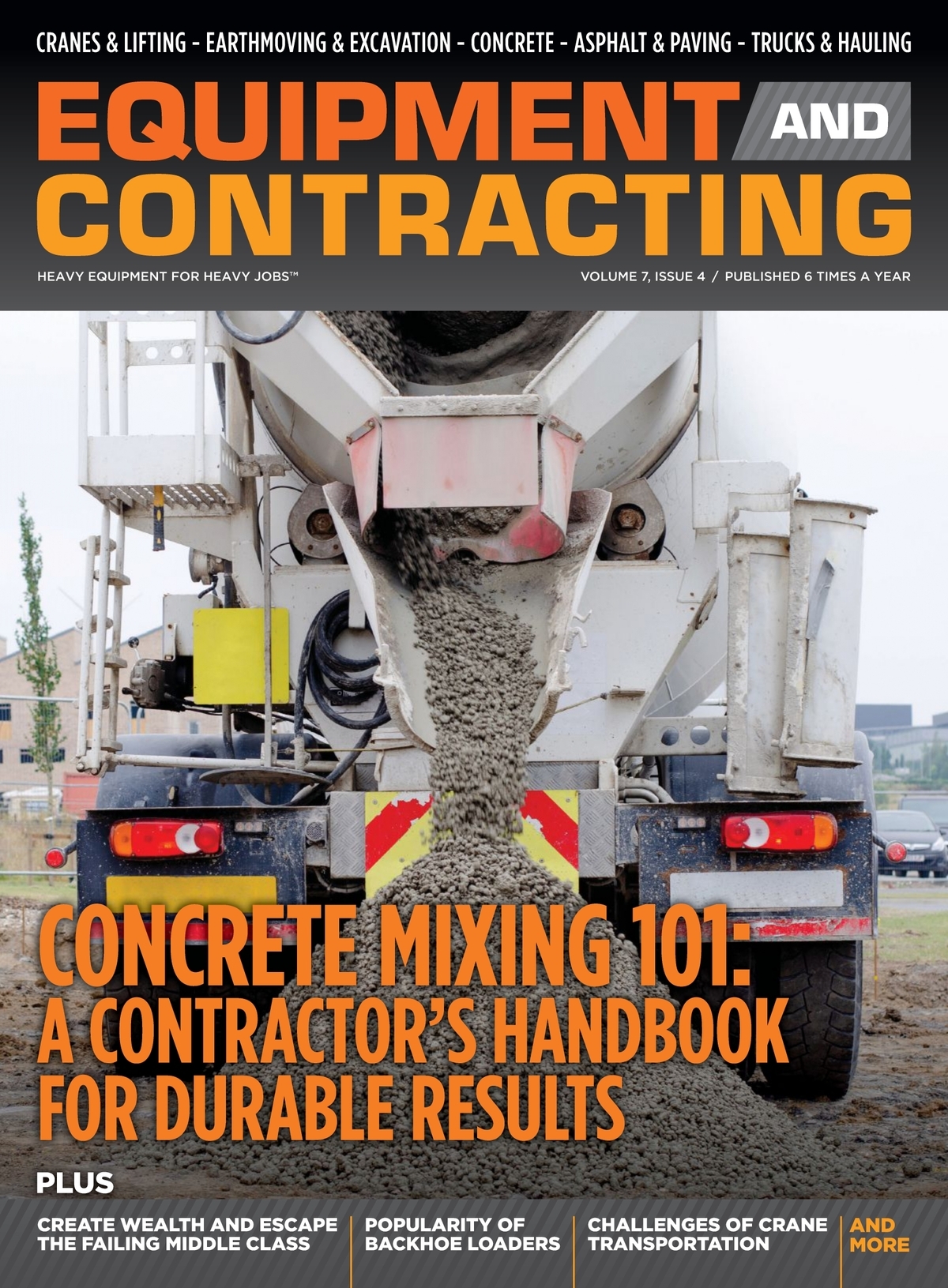
Contractors working on everything from residential slabs to multi-story parking garages repeatedly face the same critical decision with concrete pumps, mixers, laser screeds, and power trowels: should they rent or buy? The right answer depends on project volume, cash flow, utilization rates, and long-term business strategy. Below is a straightforward, numbers-driven comparison to help you choose wisely.
Upfront Capital Costs
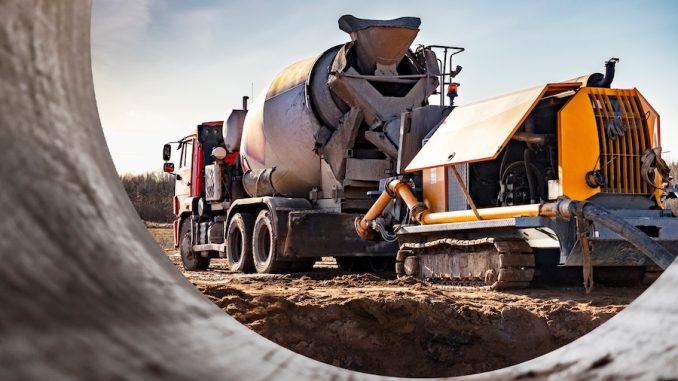
Owning concrete equipment demands a significant initial investment. A new 32–39 meter boom pump typically costs between $350,000 and $650,000, a volumetric mobile mixer runs $250,000 to $400,000, and even a high-end ride-on power trowel can exceed $20,000. Rental, on the other hand, requires little to no upfront capital. Contractors simply pay daily, weekly, or monthly rates—often $900–$1,500 per day or $3,000–$5,000 per week for a 38-meter boom pump—preserving cash flow and credit lines for other opportunities. For growing or capital-constrained companies, rental clearly wins on the balance sheet from day one.
Total Cost of Ownership Over Five Years
When you look beyond the purchase price, the math becomes more nuanced. Consider a typical 38-meter boom pump used 600–800 hours per year over five years. Ownership carries a purchase price of around $550,000 plus roughly $130,000 in financing costs at 6% interest, $80,000–$120,000 in maintenance and repairs, $15,000–$25,000 in insurance and licensing, and another $10,000–$20,000 for storage and yard space. After subtracting an estimated $200,000 resale value, the net five-year cost lands between $585,000 and $695,000. Renting the same machine at current rates for 700 hours annually totals $700,000–$900,000, with maintenance, repairs, and insurance typically covered by the rental company. In most cases, ownership becomes cheaper somewhere between 600 and 750 pumping hours per year sustained over four to six years.
Utilization Rate: The True Decision Driver
Utilization remains the single most important variable. Contractors consistently exceeding 1,000 hours per year almost always save money and build equity by owning. Those in the 400–800-hour range often adopt a hybrid model—owning core fleet pieces while renting specialized or seasonal equipment. Firms below 400 hours per year, or those with highly seasonal or unpredictable workloads, keep overhead low and equipment current by renting exclusively.

Hidden Advantages of Each Approach
Rental delivers access to late-model machines equipped with the newest safety features and technology without the burden of major repairs; a simple phone call swaps out a broken unit. It also allows instant fleet scaling and turns equipment costs into fully tax-deductible operating expenses.
Ownership, however, guarantees 24/7 availability with no lead time, permits custom modifications tailored to specific crews, and builds real asset value that strengthens borrowing power. It eliminates peak-season availability headaches and can even become a profit center when the equipment is subcontracted during slow periods. Ownership also lets contractors invest in versatile, American-made equipment designed for heavy daily use and easy in-house maintenance. Companies like EZG Manufacturing, for example, build durable mixers, material-handling tools, and specialty machines for masonry, fencing, hardscape, and precast work that many contractors find pay for themselves quickly when owned and kept busy on their own crews.
Quick Decision Guide
If your annual utilization stays under 500 hours or your workload is unpredictable, rent. Above 800 steady hours with a solid backlog, ownership usually pays off. Rapidly growing companies often rent short-term while building capital, then transition to ownership. In a cash-flow crunch or facing a potential slowdown, rental protects liquidity. For rarely used specialized pieces or when you want the latest technology every few years, rental or short-term leasing is the clear choice.
Bottom Line
Run your own numbers using actual utilization and local rental rates, but the classic 600-hour break-even threshold still holds in 2025. Contractors who track hours religiously and align their strategy with real job pipelines routinely save six figures over a decade. Whether you rent, own, or blend both, the biggest profit killer is under-utilized iron sitting idle in the yard while still costing money every month. Choose the model that keeps your capital pouring concrete instead of rusting in the parking lot.
View the complete article here.
At how many hours of use does buying concrete equipment become cheaper than renting?
Ownership usually becomes more cost effective when equipment is used around 600 to 750 hours per year over several years.
When is renting concrete equipment the better option for contractors?
Renting is best for contractors with under 500 annual hours of use, seasonal workloads, or tight cash flow who need flexibility without large upfront costs.


