





Steep grading pushes compact equipment into conditions where stability, balance, and traction are constantly tested. A machine that performs well on flat surfaces can quickly become inefficient or unsafe once the ground begins to pitch.
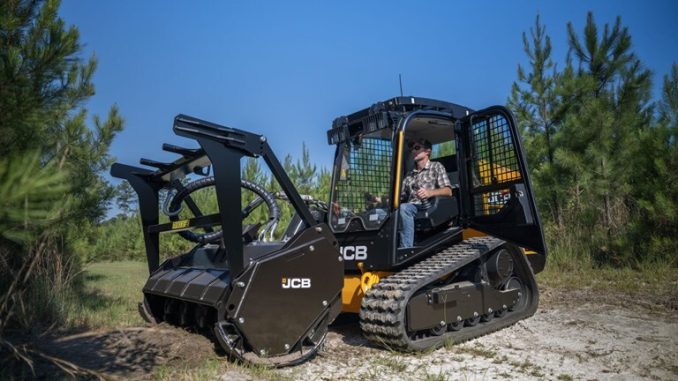
Compact track loaders are often the preferred platform for slope grading because their track footprint increases ground contact and reduces slippage. Contractors relying on specialized compact track loader solutions for high angle work know that not all machines deliver the same performance once the grade steepens.
Why Slopes Change Machine Performance
Center of Gravity Shifts Under Load
On flat terrain, a loader’s center of gravity stays relatively stable within the machine’s footprint. As the machine climbs or traverses slopes, that center shifts toward the downhill side, increasing rollover risk.
Machines with a low and wide chassis maintain balance longer during pitch changes. This is especially important when carrying material or operating heavy attachments during grading passes.
Traction Loss Happens Faster on Rubber Tires
Wheeled machines depend on tire tread biting into the surface. On steep or loose slopes, the contact patch decreases and tires begin to spin before sufficient pushing force is achieved.
Tracks wrap across more surface area, gripping soil, gravel, and clay more effectively. This allows smoother cuts and reduces repeated passes caused by sliding or wheel slip.
Machine Weight and Track Width Matter Most
Wider Tracks Improve Surface Contact
Track width directly influences how well the loader distributes weight. Wider tracks create a larger footprint, lowering ground pressure and reducing sinkage on soft slopes.
This extra surface contact increases lateral stability during side hill grading. Machines equipped with wider undercarriages also reduce the chances of track walk off during aggressive turns.
Operating Weight Creates Downward Stability
Heavier machines naturally press deeper into the surface, which helps prevent sliding when pushing uphill. This added mass improves traction but must be balanced with transport and access requirements.
Contractors working on steep embankments often favor machines with higher operating weight paired with balanced track geometry. These features are commonly highlighted in professional slope grading equipment guides when comparing machines for demanding terrain.

Hydraulic Performance on Inclines
Consistent Flow Keeps Attachments Responsive
Steep grading requires precise control of blades, buckets, and leveling attachments. Machines with strong hydraulic flow maintain smoother response even while climbing.
Hydraulic lag on slopes causes uneven cuts and forces operators to compensate manually. High flow systems reduce this delay and maintain attachment control under load.
Cooling Systems Face Extra Stress
Working against gravity increases engine load and hydraulic pressure. Machines must dissipate more heat while airflow is reduced due to slower operating speeds.
Loaders designed with larger cooling packages perform better during long grading cycles. Without sufficient cooling, hydraulic fade can reduce attachment efficiency.
Undercarriage Design for Side Hill Work
Roller Placement Affects Balance
The undercarriage is the loader’s foundation. Machines with longer track frames and optimized roller spacing maintain more consistent ground contact when operating across slopes.
Shorter track systems concentrate weight in smaller zones, increasing instability. Extended frames help distribute pressure and stabilize lateral movement.
Track Tension Stability
Proper tension prevents de tracking during aggressive grading angles. Machines built with automatic or reinforced tensioning systems hold alignment better in rough slope conditions.
Loose tracks shift unpredictably, especially during turns on steep surfaces. A secure track system ensures steady machine control.
Visibility and Operator Positioning
Cab Height Improves Grade Awareness
Operators working steep slopes need clear forward and downward visibility. Elevated cabs and well positioned sightlines help maintain grading accuracy.
Limited visibility increases uneven cuts and raises safety risks near drop offs. Machines designed for grading typically provide improved line of sight.
Rear View Awareness on Descents
Descending slopes requires careful control to avoid sudden tipping. Machines with rear cameras or wider mirrors provide better situational awareness.
This becomes critical when backing downhill with material loads. Proper visibility reduces operator hesitation and improves precision.

Safety Features That Should Not Be Ignored
Automatic Ride Control on Slopes
Ride control systems reduce load bounce while traveling across uneven inclines. Less movement means greater stability and smoother grading passes.
Without stabilization, sudden shifts in material can destabilize the loader. Ride control helps keep the machine grounded.
Slope Monitoring Systems
Some machines include tilt sensors that warn operators when unsafe angles are reached. These alerts prevent rollovers before critical thresholds are crossed.
Slope indicators are increasingly considered essential for high grade work. They serve as an early safety buffer during aggressive grading.
Attachment Compatibility for Steep Work
Grading Blades Need High Torque Support
Attachments used on slopes place higher strain on hydraulics. Machines must supply enough torque to maintain blade pressure without stalling.
Insufficient power leads to inconsistent surface finishes. Matching machine output with attachment demand is critical.
Buckets Designed for Controlled Spill
On steep terrain, standard buckets release material too quickly. Grading specific buckets provide better edge control and smoother soil distribution.
Proper bucket design prevents material from sliding downhill uncontrollably. This ensures uniform surface shaping.
Final Thoughts on Machine Selection
Choosing the right compact track loader for steep grading is not about horsepower alone. Stability, undercarriage design, hydraulic flow, and machine weight collectively determine whether a loader performs efficiently or struggles under slope pressure.
Contractors focused on steep terrain should evaluate machines built specifically for grading conditions rather than general purpose loading. The difference becomes clear in safety, finish quality, and productivity once the slope begins to challenge the limits of standard equipment.
Why are compact track loaders better than wheeled machines for steep grading?
Compact track loaders provide a wider footprint and better traction, reducing slippage and improving stability on steep or uneven slopes.
What features matter most when choosing a compact track loader for slope work?
Key features include wide tracks, balanced operating weight, strong hydraulic flow, stable undercarriage design, and slope safety systems.