

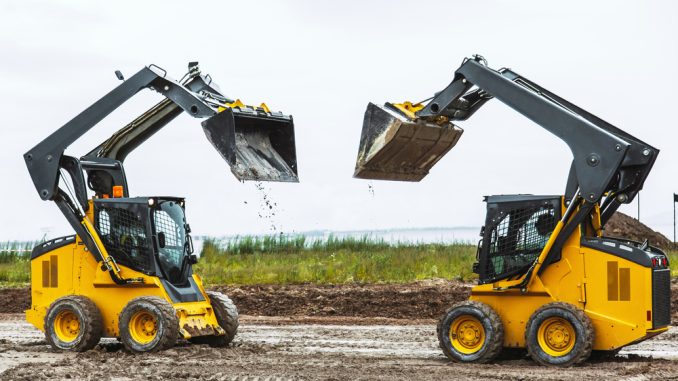
A successful rental fleet is built around machines that can perform reliably across a wide range of job sites, seasons, and customer needs. Compact track loaders and skid steers continue to be two of the most in demand machines in construction, landscaping, utility work, and site preparation. While they share similarities in size and attachment capability, their performance differences make each valuable in specific conditions. Rental companies that understand how these machines complement each other can create a more versatile fleet that supports higher utilization rates and long term customer relationships.
Compact equipment demand continues to grow as contractors look for flexible machines that can move easily between job sites while still handling demanding workloads. Including both loaders allows rental providers to offer compact construction equipment for your rental fleet that works equally well in tight urban spaces and undeveloped terrain.
Why Compact Loaders Matter in Rental Fleets
Rental Demand for Multi Use Equipment
Compact loaders are popular rental assets because they can perform many roles without requiring specialized operators or complex transport logistics. Both skid steers and compact track loaders accept a wide range of attachments, allowing renters to use one machine for digging, grading, material handling, and cleanup tasks. This versatility makes them attractive to smaller contractors, municipalities, and property managers who need flexible solutions without owning multiple machines.
From a fleet perspective, machines that can support multiple applications reduce idle time and increase rental turnover. Compact loaders also appeal to first time renters who may not have the budget or experience to operate larger earthmoving equipment but still need dependable performance.
Balancing Fleet Coverage Across Job Types
No single compact loader is ideal for every job. Rental fleets that rely too heavily on one type risk turning away customers working in unsuitable conditions. Skid steers and compact track loaders perform best when their strengths align with the job site environment. By offering both, rental companies can match customers with the right machine while protecting equipment from unnecessary wear or misuse.
Compact Track Loaders and Their Job Site Advantages
Traction and Ground Contact Benefits
Compact track loaders use rubber tracks rather than wheels, which spreads the machine’s weight across a larger surface area. This design improves traction and reduces ground pressure, making track loaders especially effective on soft, wet, sandy, or uneven terrain. Contractors working on undeveloped sites, agricultural land, or seasonal projects often prefer track loaders because they maintain productivity where wheeled machines may struggle.
The improved stability also supports safer operation on slopes and uneven grades. For rental customers, this means fewer delays caused by ground conditions and greater confidence when working in challenging environments.
Use Cases That Favor Track Loaders
Compact track loaders are frequently rented for land clearing, grading, site prep, and landscaping projects where soil conditions vary throughout the day. Rain, snow, or thawing ground can quickly turn firm soil into unstable footing. Track loaders help maintain consistent performance in these situations, reducing downtime and preventing surface damage.
From a rental fleet standpoint, these machines expand service offerings into applications where standard wheeled equipment may not be suitable. While track systems require more maintenance than tires, the ability to serve customers operating in difficult terrain often justifies their place in the fleet.

Skid Steer Loaders and Their Rental Value
Maneuverability on Firm Surfaces
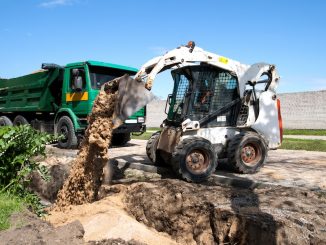
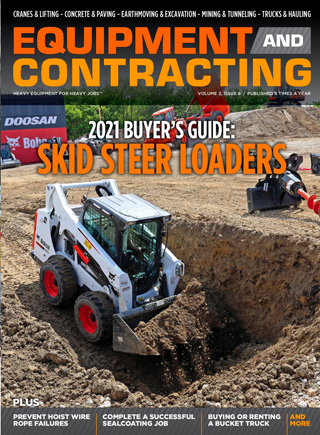
Skid steers are known for their compact footprint and exceptional maneuverability. Their wheeled design allows them to pivot within their own footprint, making them ideal for confined spaces, indoor projects, and urban job sites. On hard, level surfaces such as concrete, asphalt, or compacted soil, skid steers deliver efficient performance with lower operating resistance.
Rental customers often choose skid steers for demolition cleanup, material loading, trench backfill, and general site maintenance where surface conditions are predictable. Their lighter weight also simplifies transport, which can be an important factor for renters managing multiple small jobs.
Operational and Maintenance Considerations
Skid steers typically have lower maintenance costs compared to compact track loaders. Tires are easier and less expensive to replace than rubber tracks, and undercarriage components experience less wear in suitable conditions. This makes skid steers an attractive option for rental fleets focused on cost control and high utilization in urban or paved environments.
Because skid steers perform best on firm ground, rental providers benefit from clearly guiding customers on appropriate use cases. Proper matching of equipment to job conditions helps extend machine life and improves customer satisfaction.
Attachments and Fleet Versatility
Expanding Capabilities Through Attachments
Both skid steers and compact track loaders support a wide range of attachments that significantly expand their functionality. Buckets, forks, grapples, augers, and grading tools allow one machine to perform multiple roles throughout a project. This adaptability increases the value of each rental unit and encourages customers to return for additional work.
Rental fleets that invest in commonly requested attachments can improve average rental duration and revenue per machine. Customers appreciate the convenience of sourcing both the machine and the necessary tools from a single provider.
Standardization Across Fleet Types
Using compatible attachment systems across both skid steers and track loaders simplifies fleet management. Standardization reduces inventory complexity and allows rental providers to interchange attachments based on availability and demand. This approach also helps customers transition easily between machine types without retraining operators or modifying workflows.

Choosing the Right Mix for Your Rental Fleet
Matching Equipment to Regional Demand
Geographic location plays a major role in determining the ideal balance between skid steers and compact track loaders. Regions with frequent rain, loose soil, or agricultural activity tend to see higher demand for tracked machines. Urban and industrial areas often favor skid steers due to their efficiency on paved surfaces and confined job sites.
Rental companies that analyze customer usage patterns can adjust fleet composition to match local demand. This strategic approach minimizes idle equipment and ensures capital investment aligns with real world rental needs.
Supporting Customers Across Project Conditions
Offering both machine types allows rental providers to serve customers across a broader range of projects. Contractors may rent skid steers for early demolition work and compact track loaders for later site grading when ground conditions change. Being able to support customers throughout the full project lifecycle strengthens long term relationships and increases repeat business.
Including heavy duty earthmoving machines providing traction and stability alongside more maneuverable wheeled equipment reinforces a rental fleet’s ability to handle varied site conditions without compromise.
Building a versatile rental fleet requires more than selecting popular machines. It involves understanding how equipment performs under real job site conditions and how customers use those machines across different projects. Compact track loaders and skid steers each bring unique advantages that, when combined, create a balanced fleet capable of serving a wide range of industries and environments.
By offering both machine types, rental companies can improve utilization, reduce customer downtime, and position themselves as reliable partners for contractors facing changing terrain and project demands. A well planned fleet that includes both skid steers and compact track loaders delivers flexibility, efficiency, and long term value in an increasingly competitive rental market.
What’s the difference between skid steers and compact track loaders?
Skid steers are wheeled and excel on firm, paved surfaces with tight maneuverability, while compact track loaders use rubber tracks for better traction and stability on soft or uneven terrain.
Why should rental fleets include both machine types?
Offering both allows contractors to handle varied ground conditions and project types, improving utilization and customer satisfaction.